
Home · Prehistory · Chapter four
Chalcolithic
The Chalcolithic, or Copper Age (roughly 5000 to 2000 BCE), is a transitional period between the Neolithic and the Bronze Age. Its start and end dates vary by region. People began working copper, though stone tools remained dominant. Large settlements grew, wealth inequality deepened, the horse and wheeled transport spread, and the foundations of the first cities were laid in the Near East.
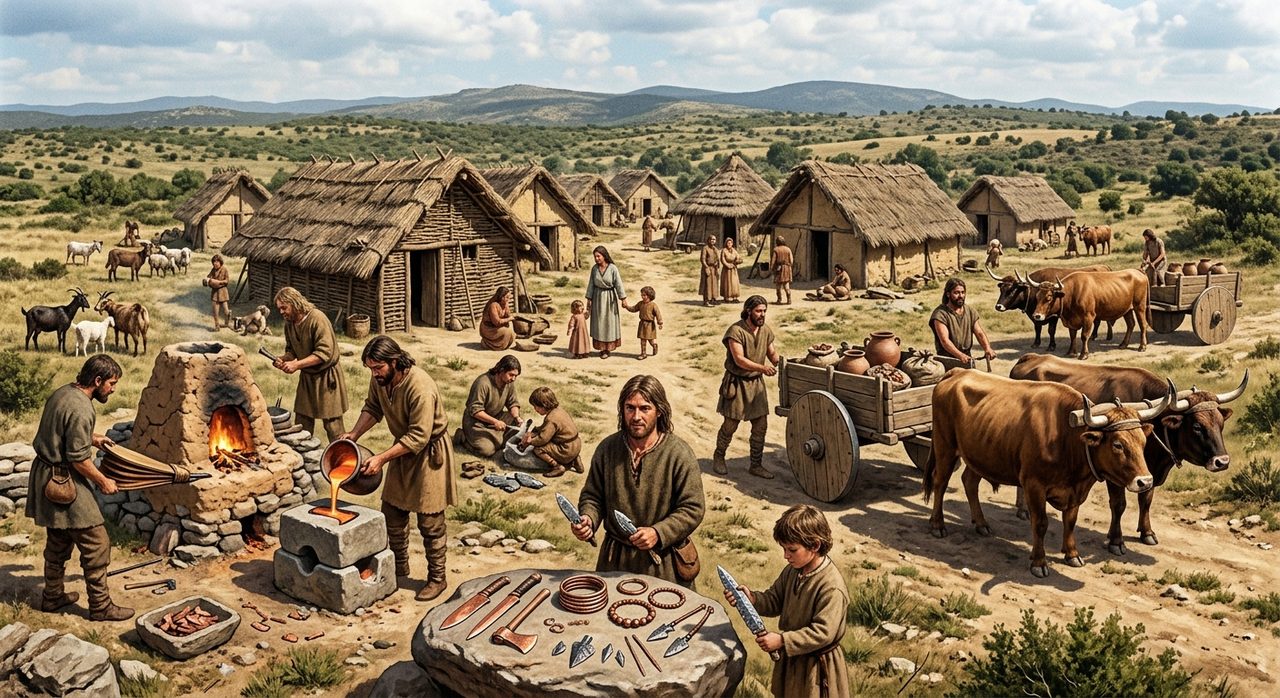
Tools
THEME ONE
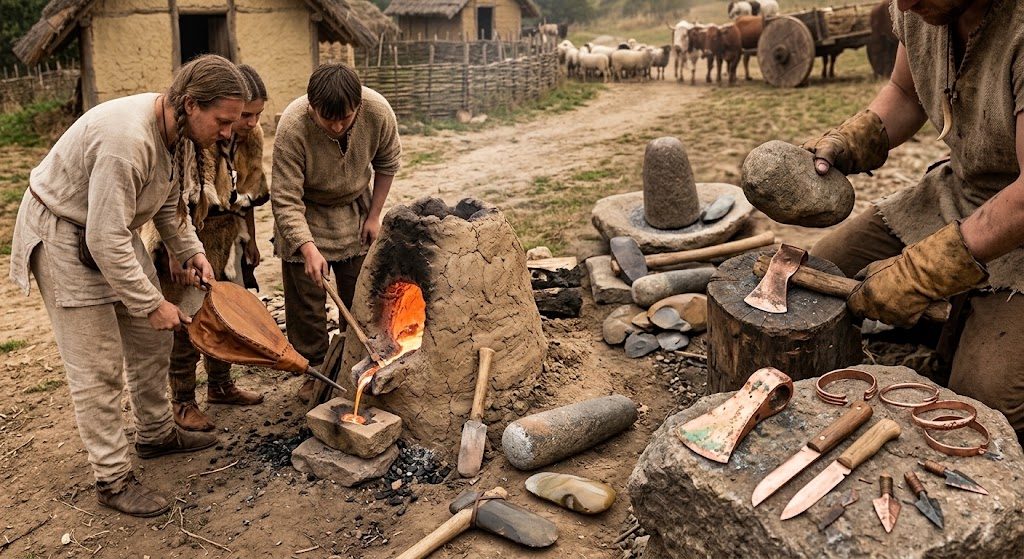
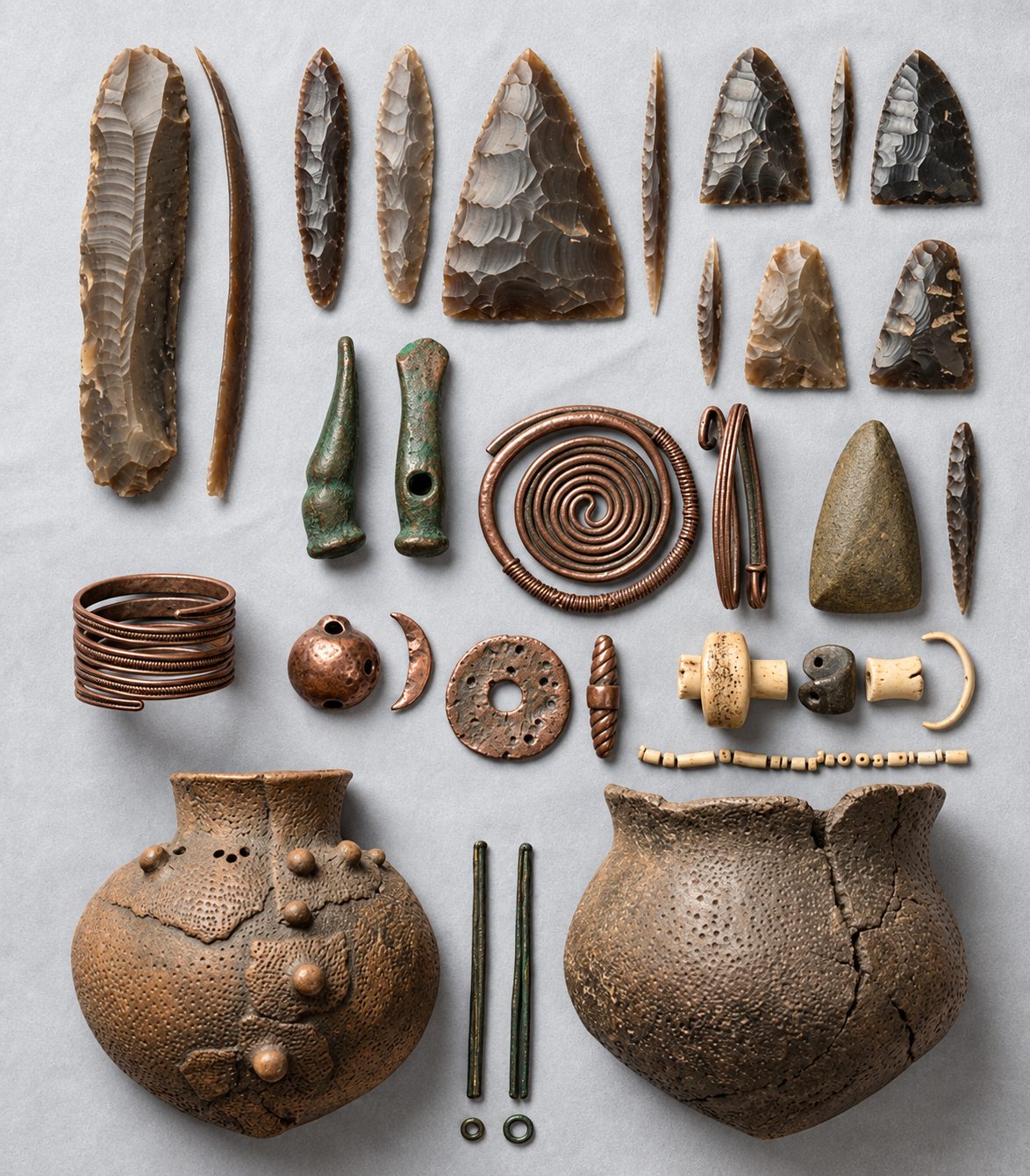
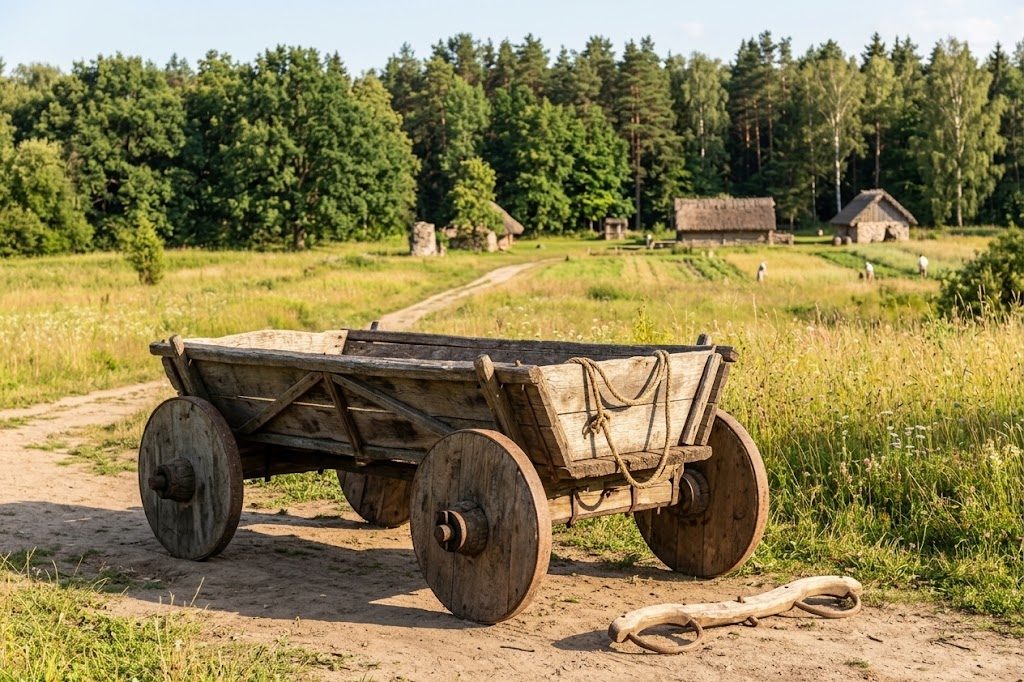
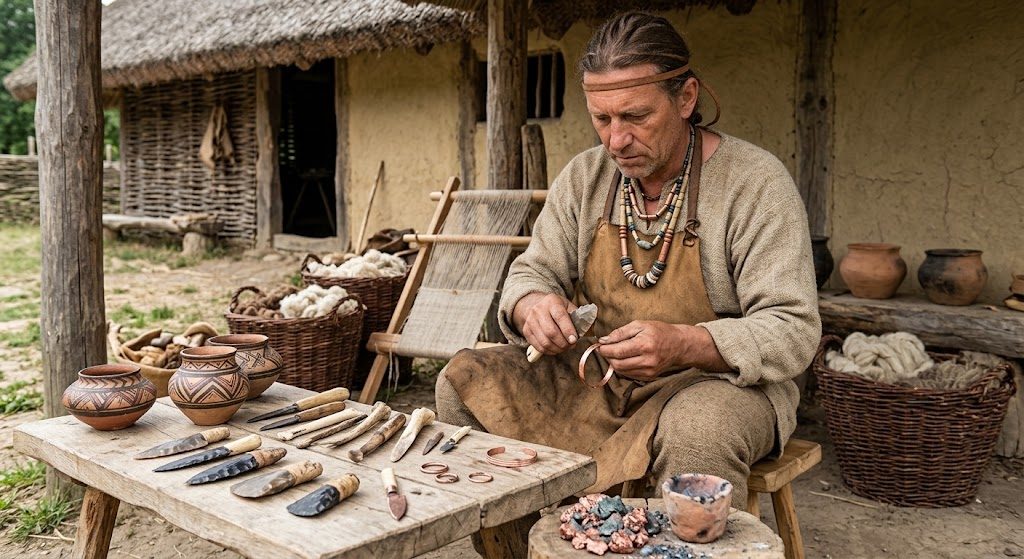
People learned to work native copper and later to smelt it from ore. Copper knives, axes, ornaments, points and needles appeared, though stone tools remained the mainstay. By the end of the period, oxen were used as draught animals and the first wheeled carts appeared - a major technological shift for moving goods.
Daily life and shelter
THEME TWO
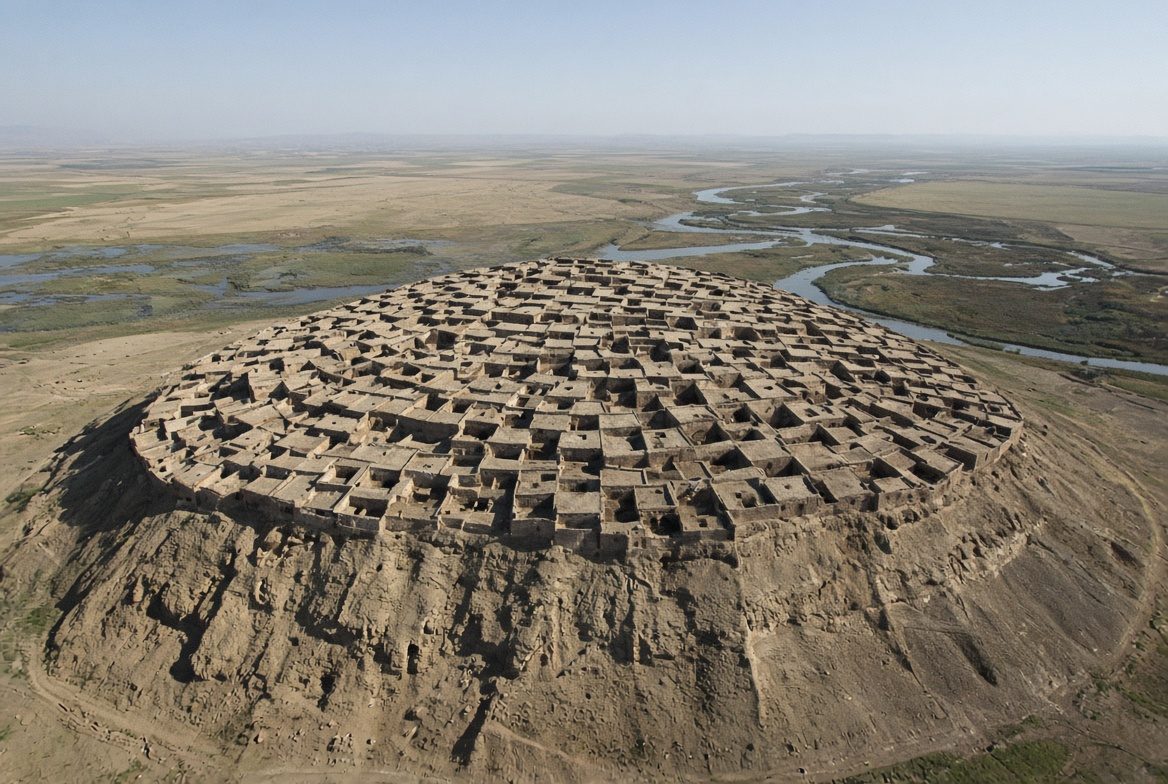
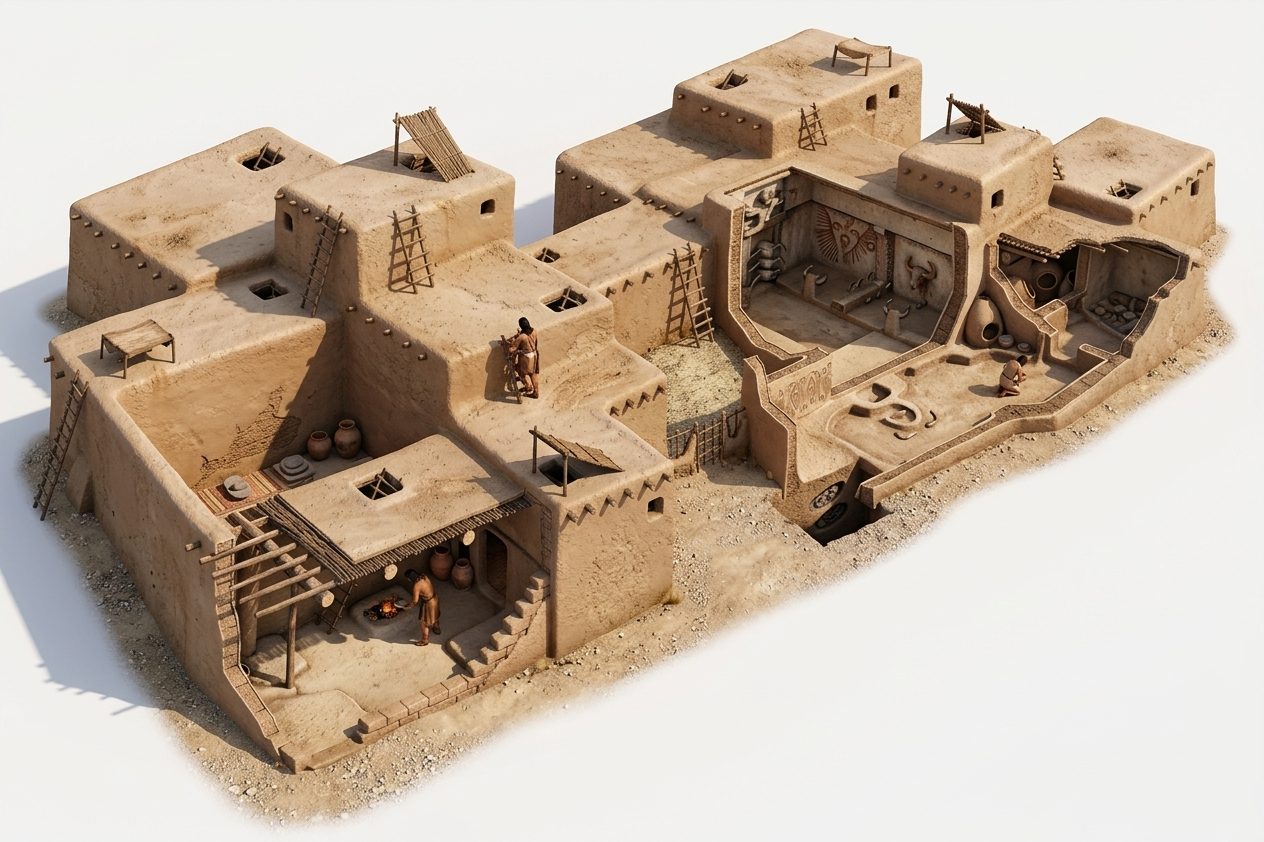
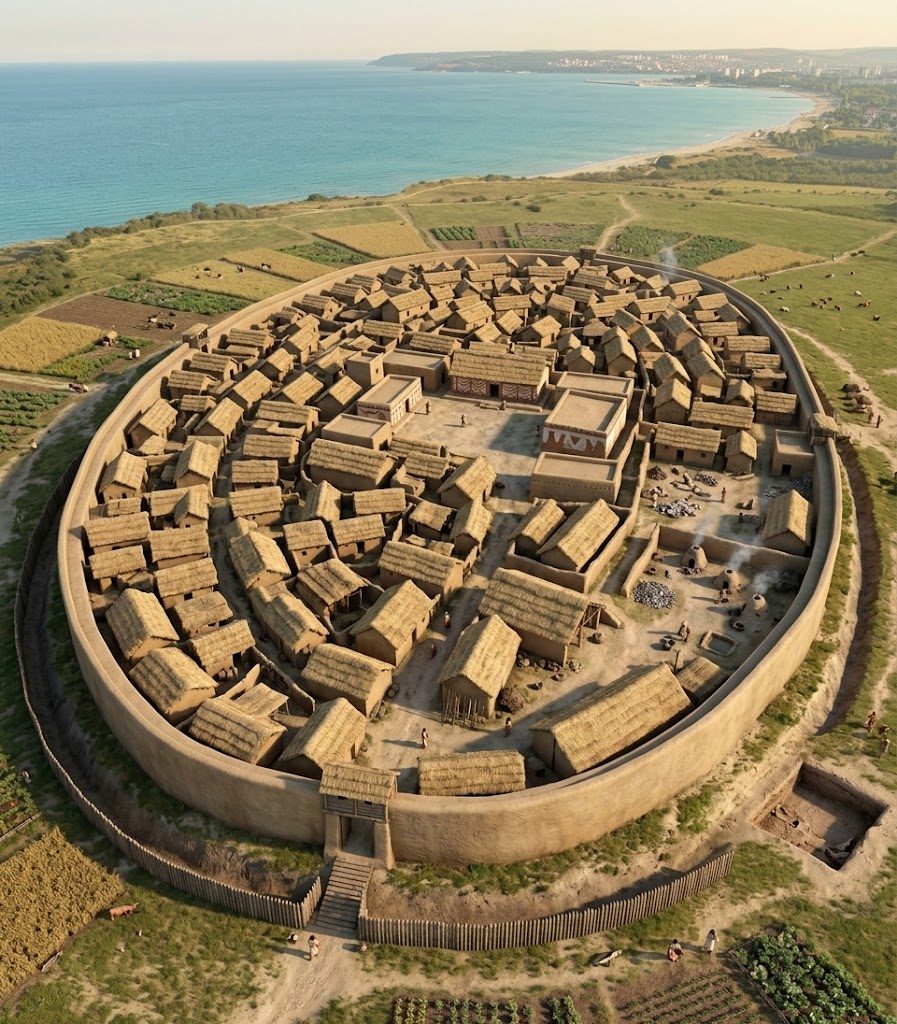
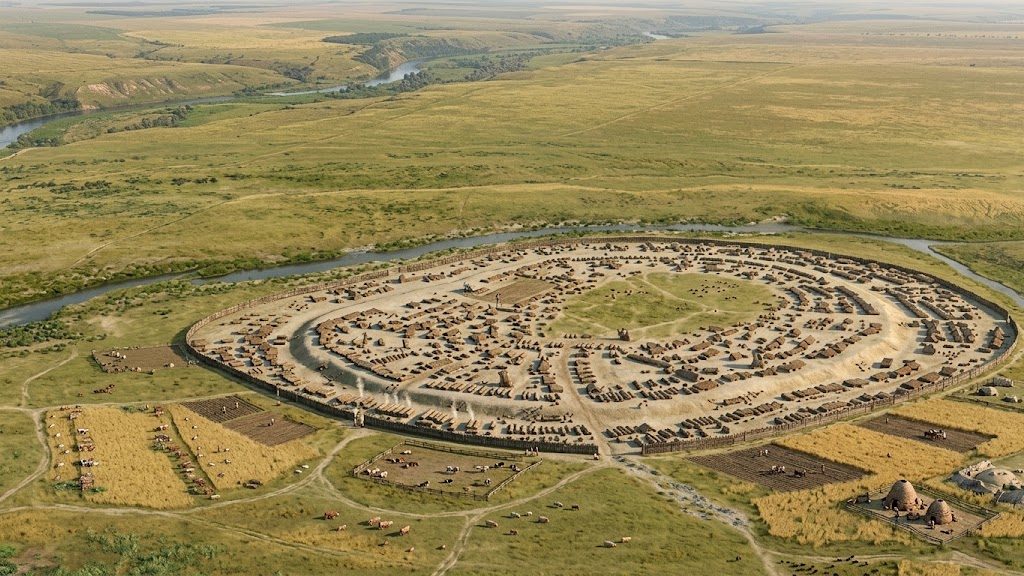
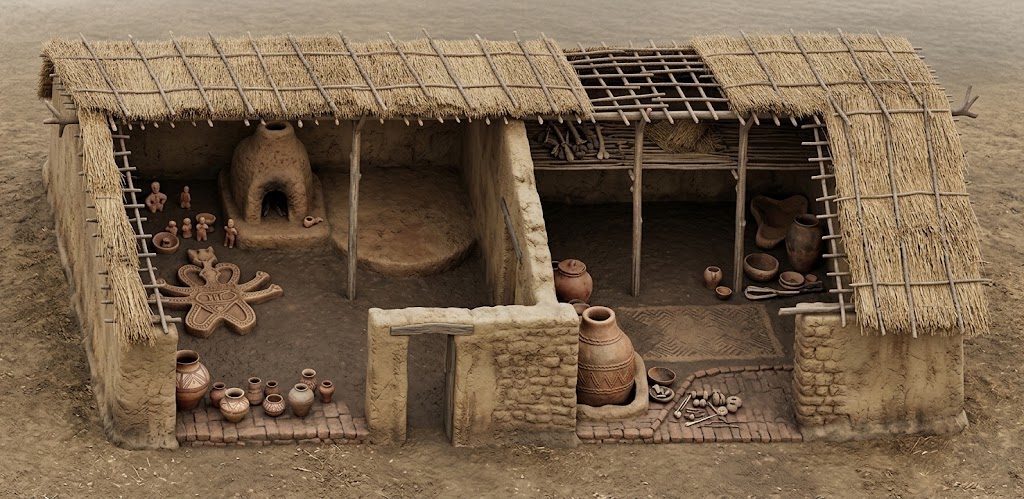
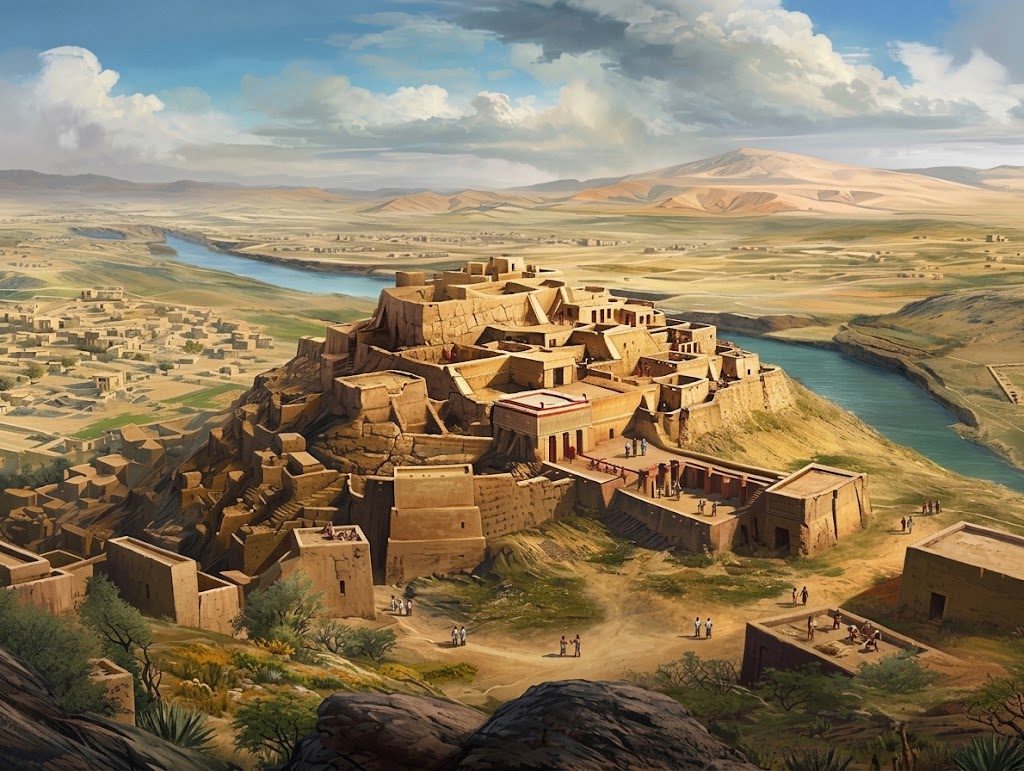
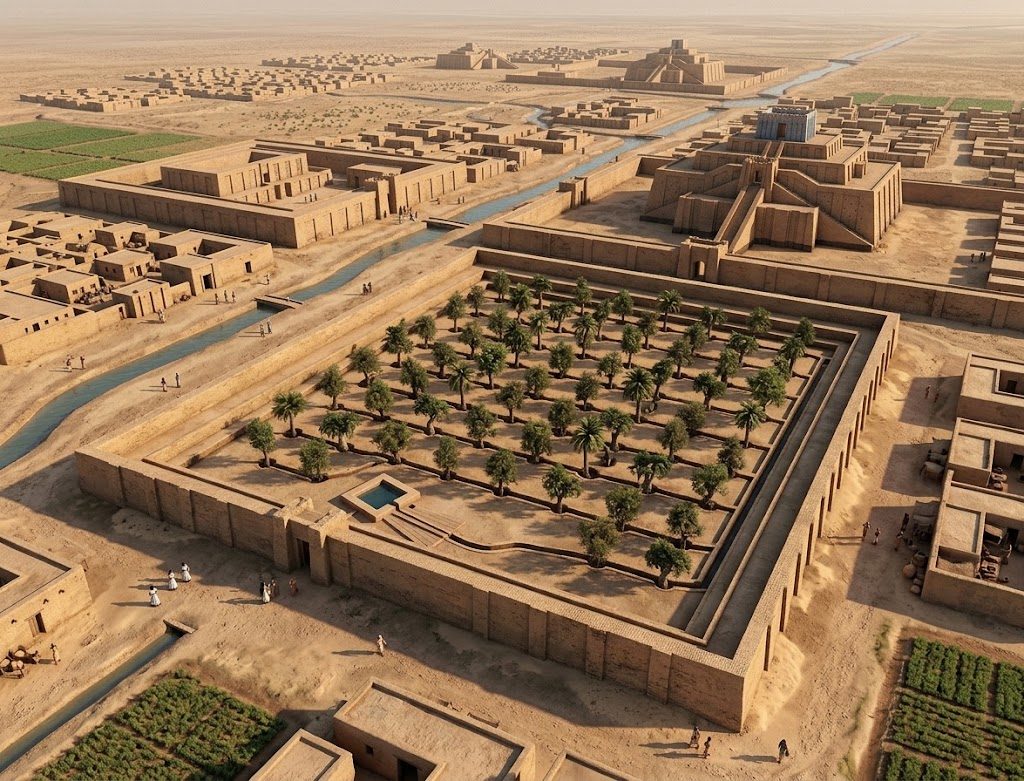
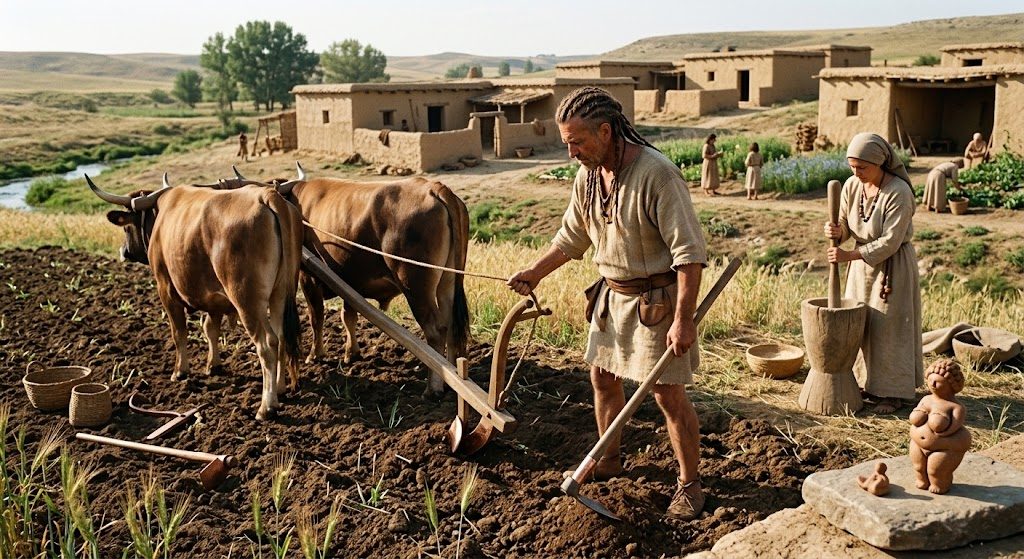
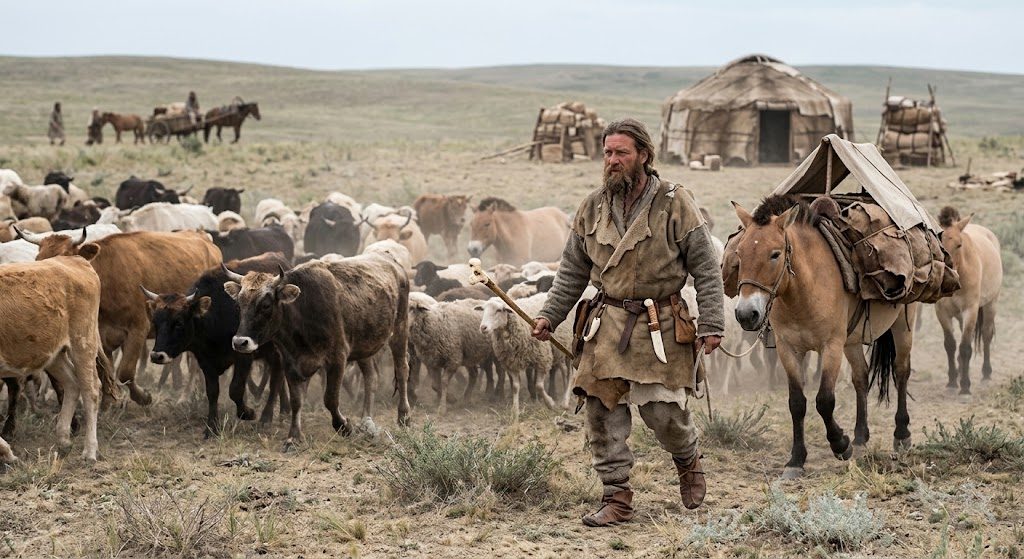
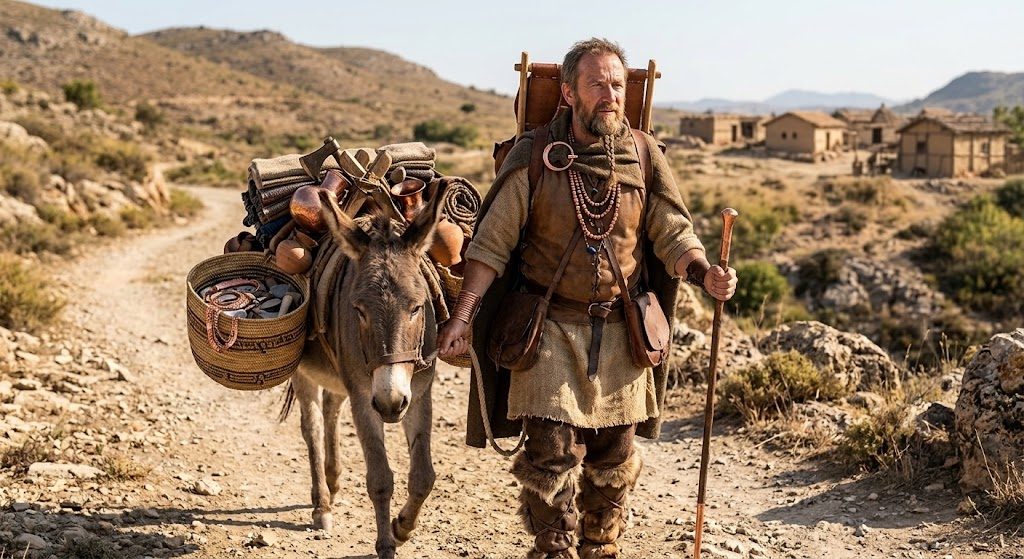
Some settlements grew into large centres with hundreds or thousands of inhabitants, including Çatalhöyük in Anatolia, the settlements of the Cucuteni-Trypillia culture in Eastern Europe, and the early settlements of Uruk in Mesopotamia. People grew wheat, barley and legumes, and kept sheep, goats, pigs and cattle. The horse was likely domesticated in the Eurasian steppes during the 4th millennium BCE, though the exact time and place are still debated. Copper, flint, obsidian, salt, shells and gold travelled long distances, forming trade networks linking Europe, Anatolia and the Near East.
Society
THEME THREE
In the Chalcolithic, society became more complex and organised. Signs of specialisation and division of labour appear: some people farmed, others herded livestock, others practised crafts, and others handled exchange and trade. The development of crafts (more varied and specialised pottery, new techniques for working metal, stone, bone, wood and textiles) supported this differentiation and encouraged growing economic ties between communities.
Beliefs
THEME FOUR
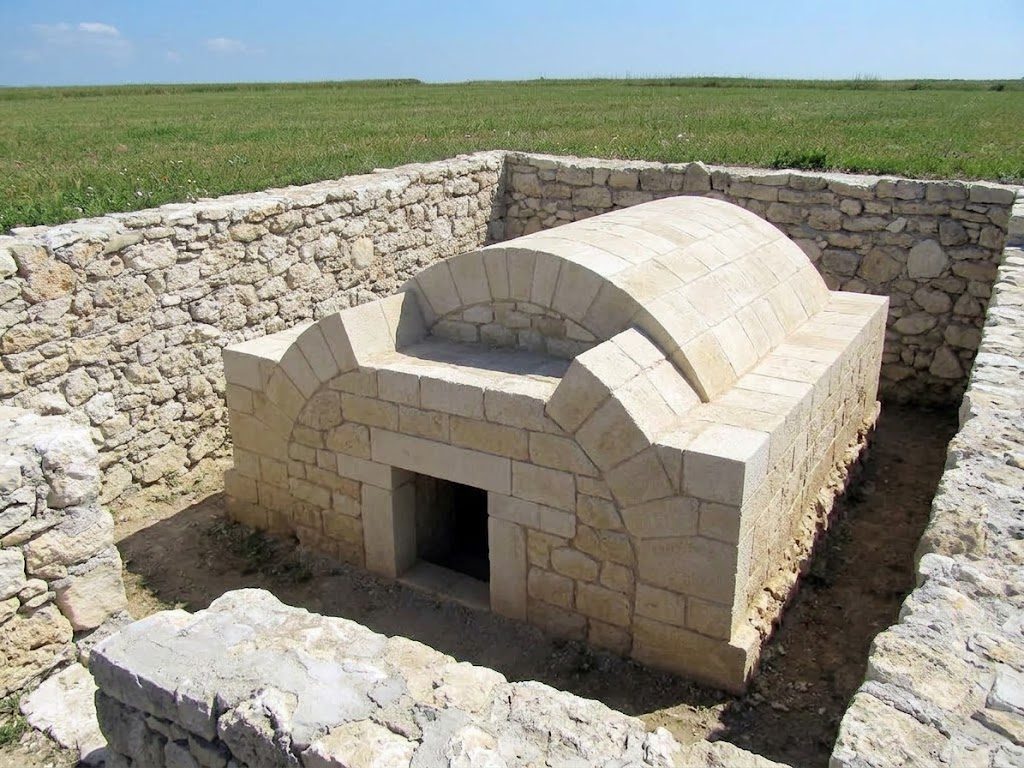
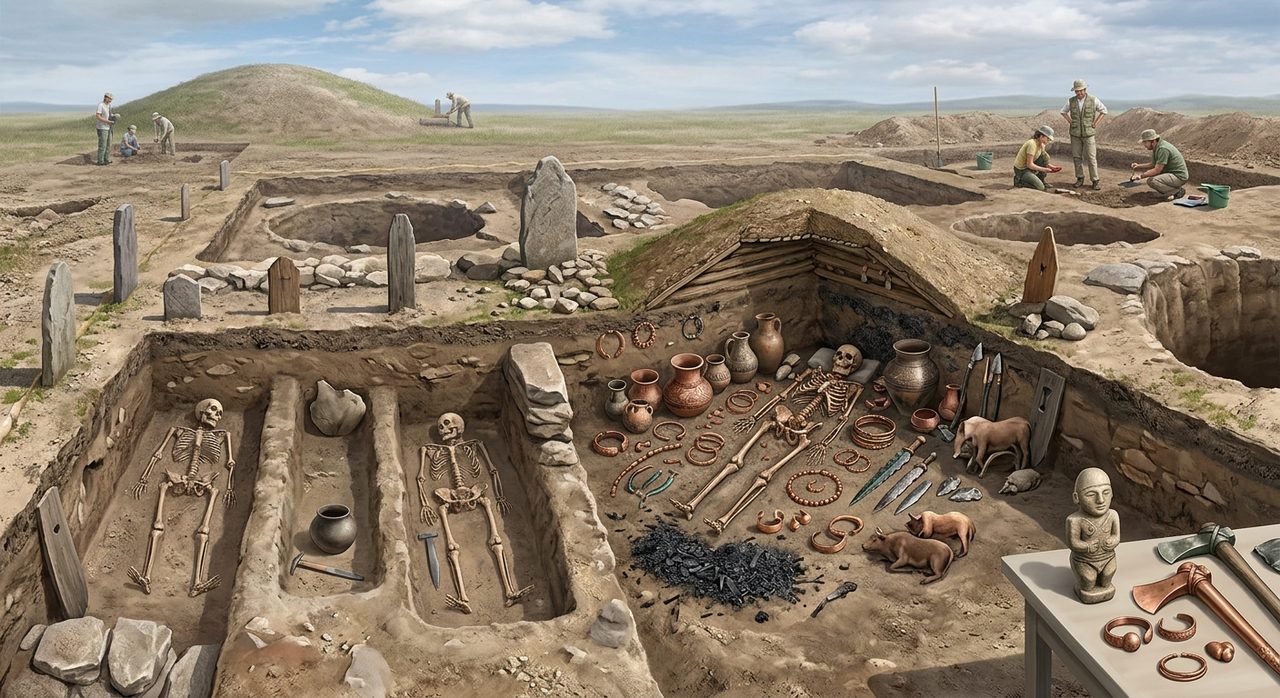
Archaeologists find burials where some people were laid to rest with almost no possessions, while others were buried with abundant ornaments and valuables. Rich individual graves, large cemeteries, burial mounds in some regions, elaborate funerary rites, shrines and figurines all appear - signs that social and religious organisation was growing more complex.
Personalities
THEME FIVE
Ötzi, the Tyrolean Iceman, was a real person who lived about 5,300 years ago. His body was preserved in the Alpine ice, letting scientists learn his age (around 45), build, equipment, stomach contents and genome. He was killed: an arrowhead lodged in his shoulder had damaged an artery. His social status is not known for certain - theories that he was a chief, a trader or a herder remain debated.
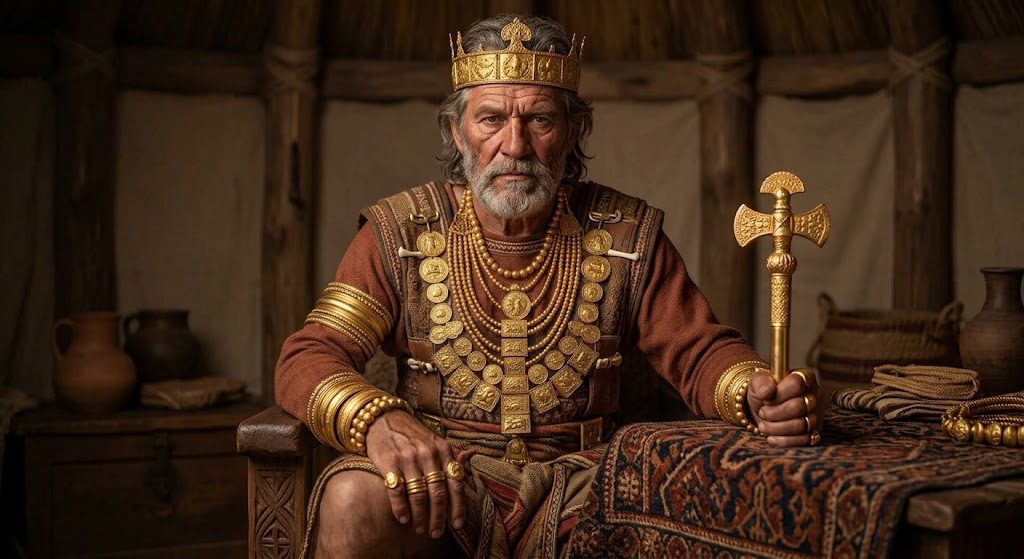
The wealthy man of the Varna necropolis (about 4600–4200 BCE) is among the earliest evidence of major wealth inequality in Europe: his grave holds the richest gold objects known from that time anywhere in the world. His name and life story are unknown - the find shows an early social elite existed, not who this particular person was.

Conflicts
THEME SIX
There is evidence of armed conflict in the Chalcolithic, but no specific battle can be reconstructed with a date, a place and two named armies. In north-eastern Bulgaria, archaeologists record a rise in weapons, the appearance of fortifications and traces of burned settlements - taken as evidence of armed conflict around 4500–4000 BCE, though the course of events is unknown.
Key dates
- ~5500 BCECopper comes into wide use.
- ~5500–5000 BCECopper metallurgy in the Balkans.
- ~5300–5000 BCEFarming spreads across Europe.
- ~5000 BCEThe Cucuteni-Trypillia culture.
- ~5000 BCEThe Vinča culture.
- ~5000 BCEMaritime trade in the Mediterranean.
- ~5000–4500 BCECopper tools spread.
- ~5000–4500 BCEGrowth of large settlements.
- ~4800–4500 BCEThe Halaf culture in northern Mesopotamia.
- ~4700–4500 BCERich burials appear.
- ~4600–4200 BCEThe Varna necropolis.
- ~4500 BCELarge ceremonial structures.
- ~4500–4000 BCEHerding expands on the steppe.
- ~4500–4000 BCEBurial mounds (kurgans).
- ~4300–4000 BCEThe Yamnaya cultural tradition.
- ~4300–4000 BCECarts spread.
- ~4300–4000 BCEOxen used as draught animals.
- ~4200–4000 BCEThe horse on the steppe.
- ~4200–3800 BCELong-distance trade networks.
- ~4000 BCEPopulation growth in Mesopotamia.
- ~4000–3800 BCEThe Uruk culture forms.
- ~3900–3500 BCEThe city of Uruk grows.
- ~3800–3500 BCEMonumental temple complexes.
- ~3700–3500 BCEAdministrative record-keeping.
- ~3600–3400 BCEClay tokens for accounting.
- ~3500 BCECraft specialisation.
- ~3500–3300 BCEMetallurgy advances.
- ~3400–3200 BCEProto-writing appears.
- ~3300–3200 BCEEarly Sumerian city-states.
- ~3300–3000 BCETransition to the Bronze Age.