
Home · Ancient History · Ancient Egypt · Early Dynastic Period
Djer
Djer, the third king of the First Dynasty, was the son of Hor-Aha. In the chronology used on this site he reigned from 2870 to 2823 BCE. The Palermo Stone points to about forty years, one of the longest reigns of the period, although estimates range from 31 years in Manetho to 57 in some modern reconstructions. More than three hundred people were buried around his tomb at Abydos, which in the Middle Kingdom Egyptians honoured as the tomb of Osiris.
- Reign
- 2870 - 2823 BCE, about 47 years (estimates range from 31 to 57)
- Dynasty
- 1st
- Predecessor
- Hor-Aha, his father
- Successor
- Djet, his son
- Queen
- Nakhtneith, Penebui, possibly Herneith and others
- Capital
- Probably Memphis
- Burial
- Tomb O, Umm el-Qa'ab, Abydos
- Main sources
- The Palermo Stone and its Cairo fragment, labels, seal impressions, finds from his tomb
- Names
- Horus name Djer, usually translated "the defender", Golden Horus name Nynebu, Itetj on the Cairo Stone and in the Abydos and Turin king lists, possibly a later misreading, in Manetho perhaps Athothis, an uncertain identification
Path to the throne
THEME ONE
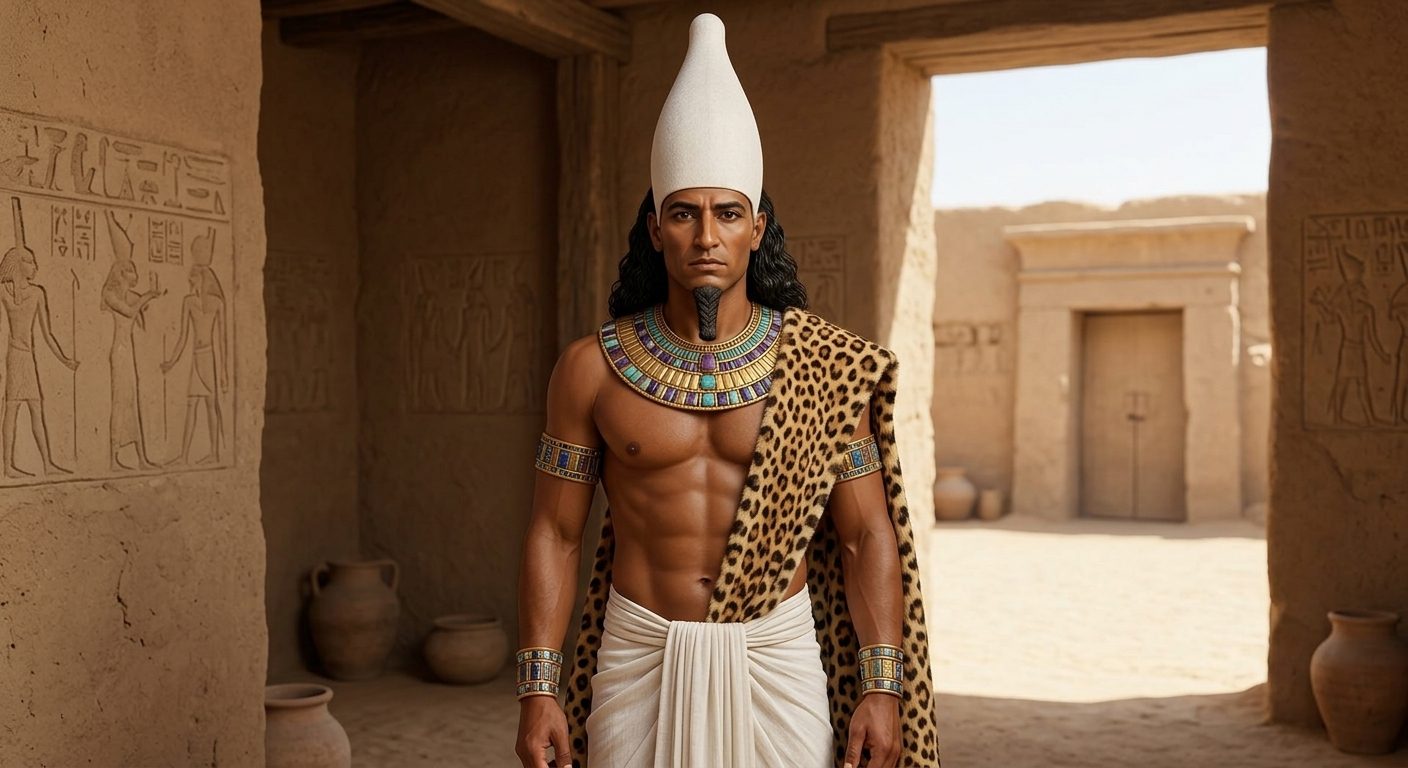
Djer was the son of Hor-Aha and of Khenthap, a queen whom the Palermo Stone names as his mother. The first entry for his reign records his accession as the "uniting of Upper and Lower Egypt": the unity of the country was still a ceremony that each new king performed. Some scholars think that Neithhotep, Narmer's queen, governed for a time before Djer came of age, but this rests on indirect evidence.
Reign and government
THEME TWO
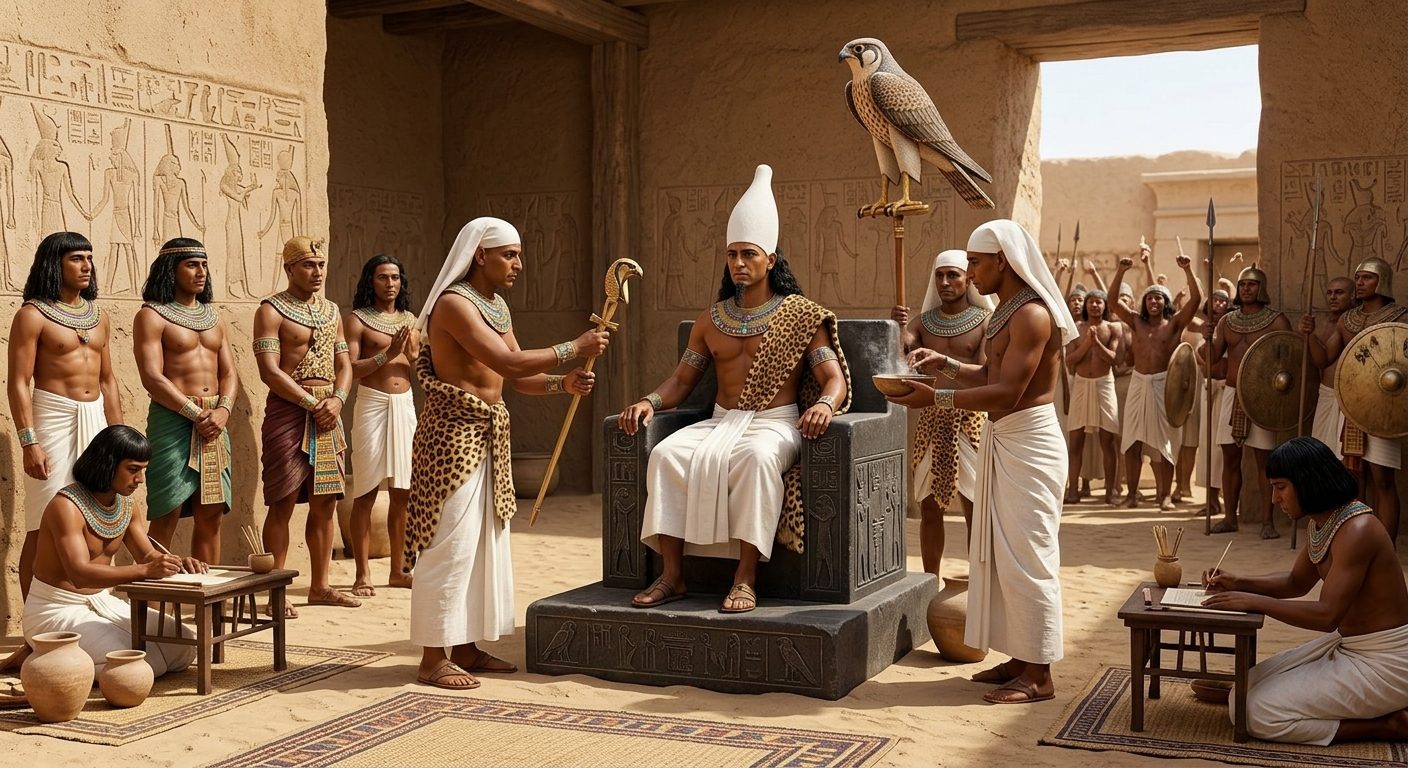
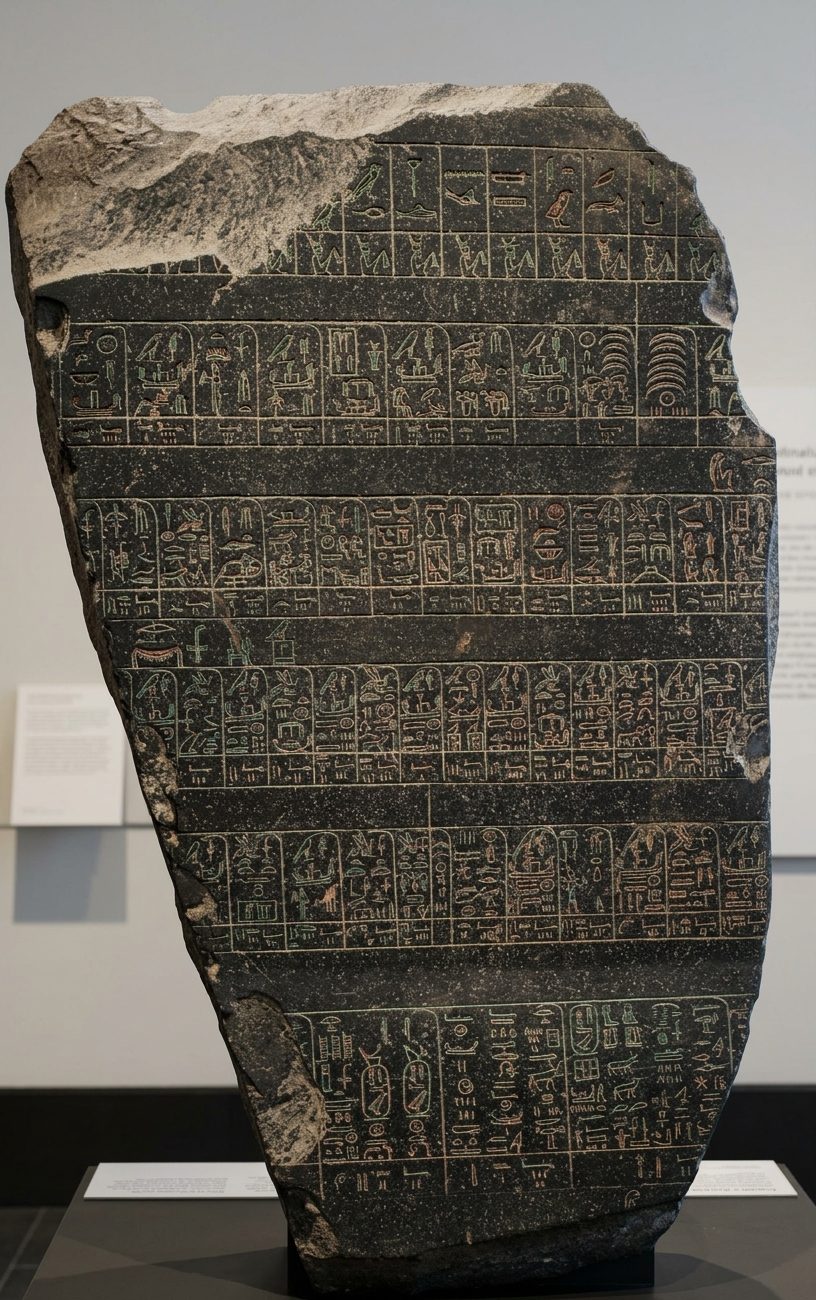
The Palermo Stone and its Cairo fragment preserve entries for his first ten years and for several later ones. They record festivals, the making of images of gods and the height of the yearly Nile flood, on which the harvest depended. A seal impression shows Djer wearing both the White Crown of Upper Egypt and the Red Crown of Lower Egypt, and seals name officials who served him, such as Amka, who began his career under Djer and became royal steward under Djet.
Wars and foreign lands
THEME THREE
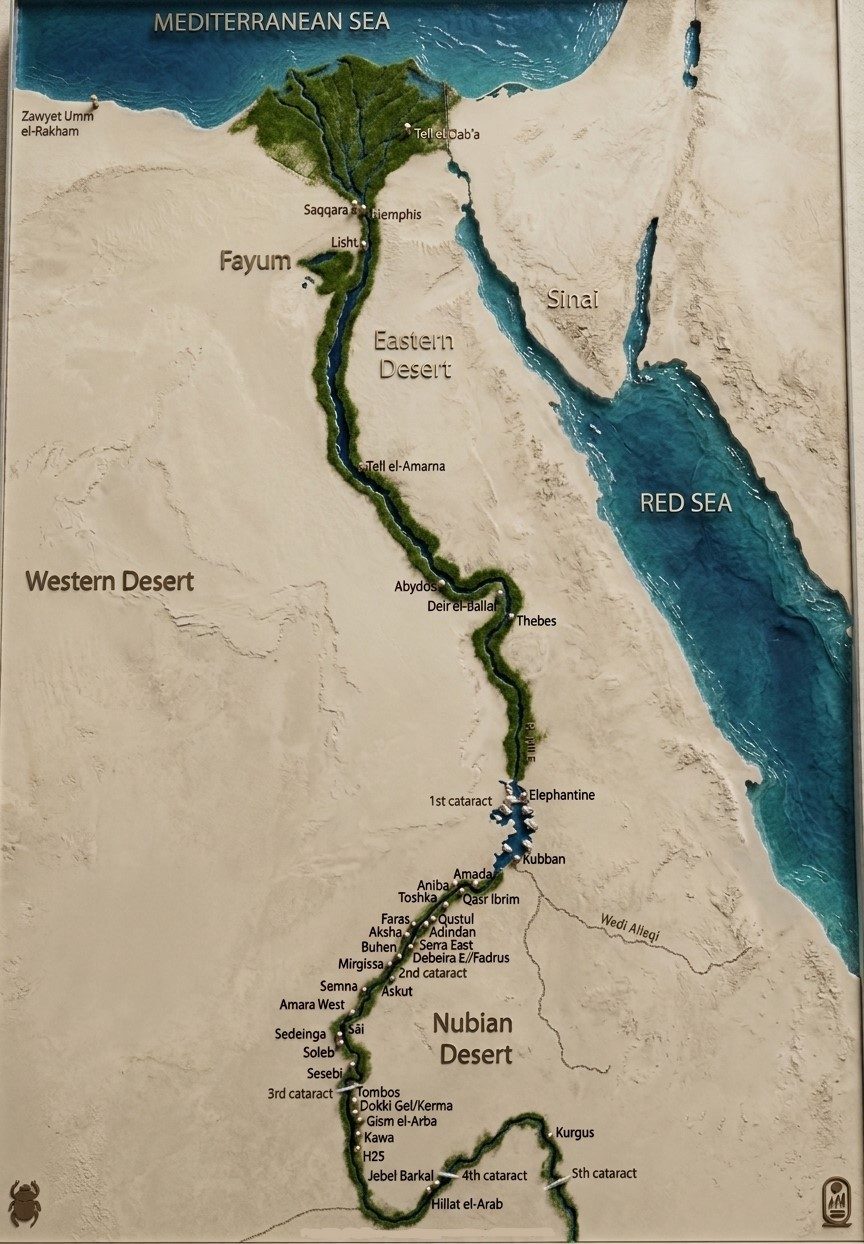
The Cairo Stone names one of his years as the "year of smiting the land of Setjet", which may mean Sinai or the lands beyond it in south-western Asia. A rock inscription near Wadi Halfa in Nubia, with Djer's serekh above scenes of captives, has been taken as evidence of a campaign as far as the Second Cataract, but its date and authenticity are questioned. Canaanite pottery in Egyptian graves of this period shows lively trade with the southern Levant.
Monuments and art
THEME FOUR
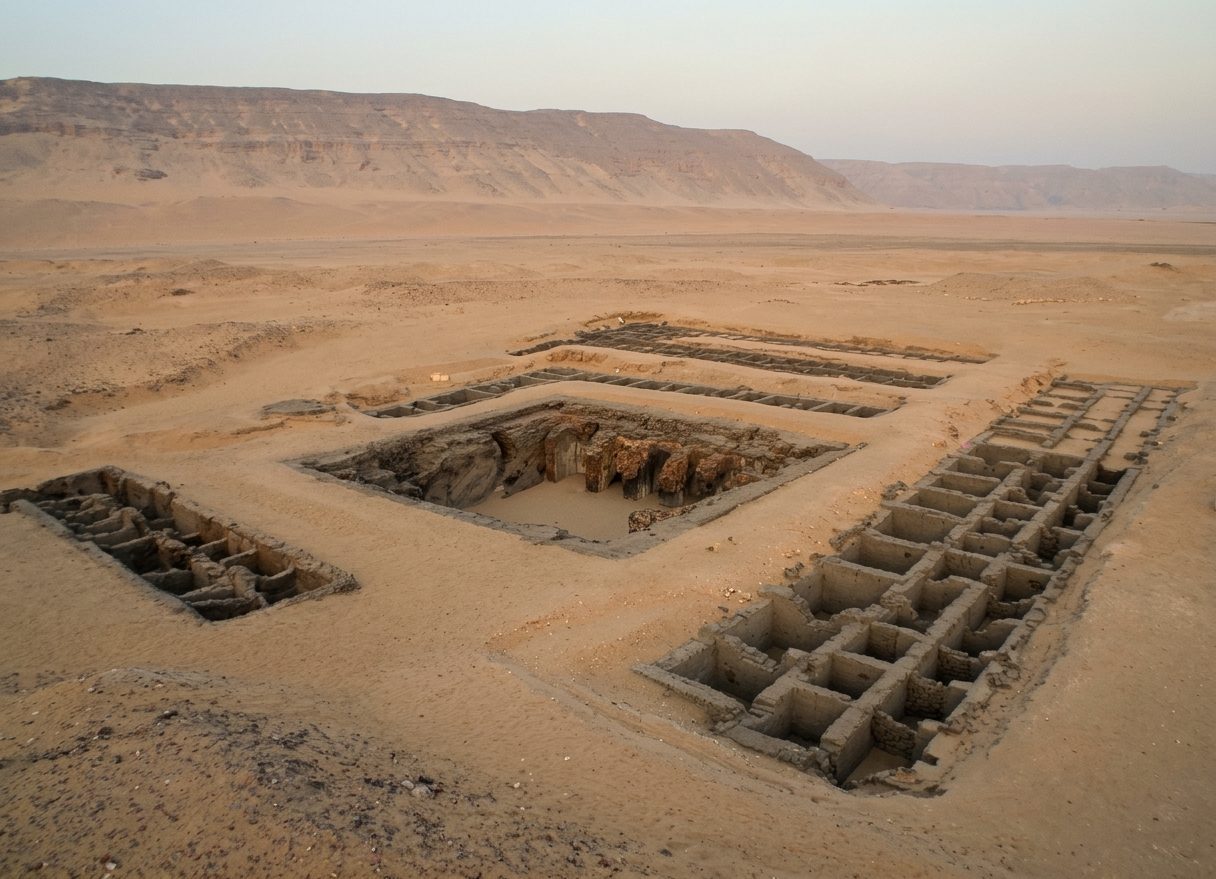
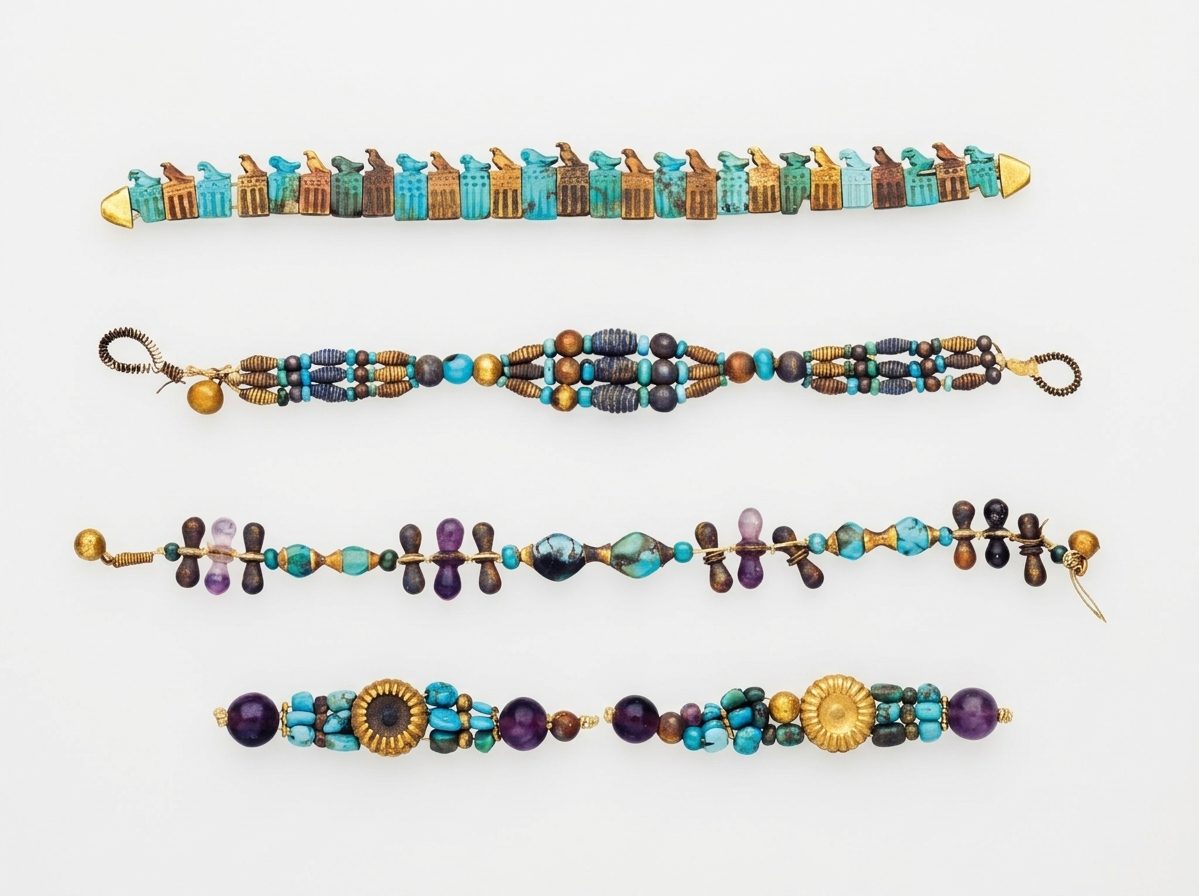
Djer's tomb O at Umm el-Qa'ab is a large brick-lined pit surrounded by rows of subsidiary graves. In a wall of the tomb Flinders Petrie found a mummified arm still wearing bracelets of gold and precious stones, perhaps belonging to a queen, the bracelets survive, but the arm itself was later thrown away. Objects with his name include a copper adze, ivory labels and a stela, and inscriptions with his name were also found in several large tombs at Saqqara.
Religion and beliefs
THEME FIVE
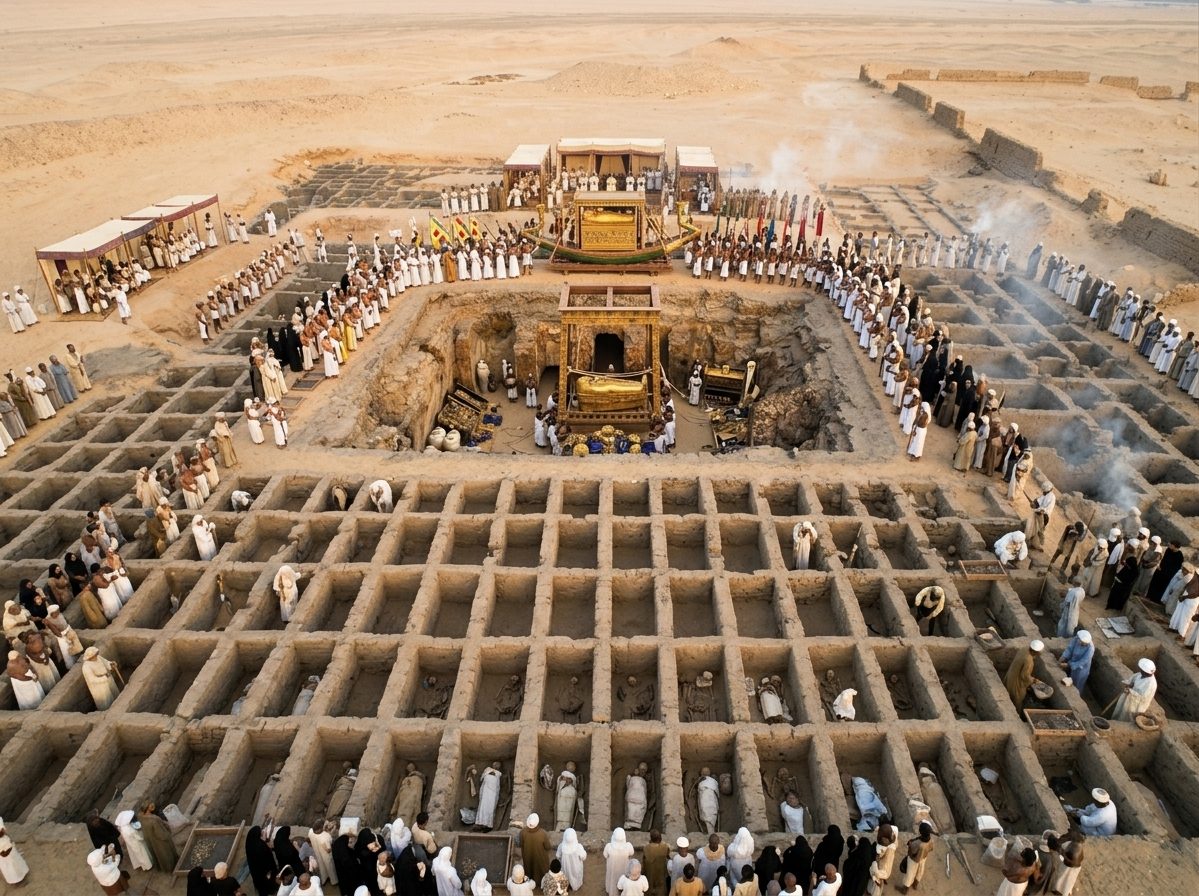
Djer's Horus name presents him as the defender of the falcon god, and the Palermo Stone shows a king busy with ritual: the "Following of Horus", the festival of Sokar and the making of images of gods such as Min and Anubis. Around his tomb were buried the remains of 318 retainers, the largest number known for any king of the dynasty, which shows how far the custom of serving the king in death had developed.
Death and legacy
THEME SIX
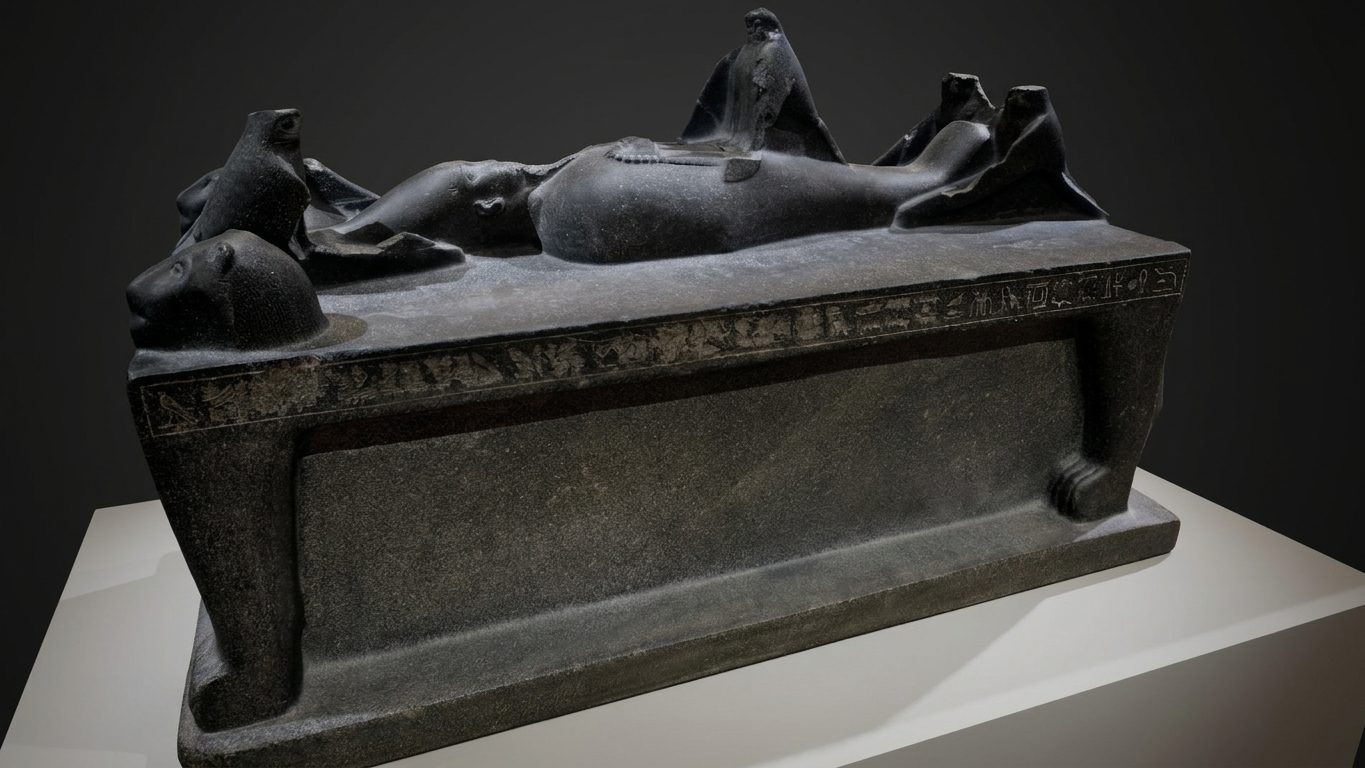
Djer was succeeded by his son Djet. Merneith, possibly Djer's daughter, became Djet's wife and the mother of Den. Djer's tomb had a remarkable afterlife: by the Middle Kingdom it was believed to be the tomb of Osiris, god of the dead, and pilgrims left offerings at Umm el-Qa'ab for centuries. A stone bed with a figure of Osiris was later placed in the tomb, possibly by the 13th-Dynasty king Djedkheperu.
Key dates
- 2870 BCEDjer succeeds his father Hor-Aha, his first year is recorded as the "uniting of Upper and Lower Egypt".
- 2870 - 2823 BCEThe Palermo Stone records festivals, images of gods and the Nile floods of his reign.
- 2823 BCEDjer dies and is buried at Abydos among 318 retainers, his son Djet succeeds him.
- 13th DynastyDjer's tomb, now taken for the tomb of Osiris, receives a stone bed with the god's figure.