Home · Ancient History · Ancient Egypt · Early Dynastic Period
Hor-Aha
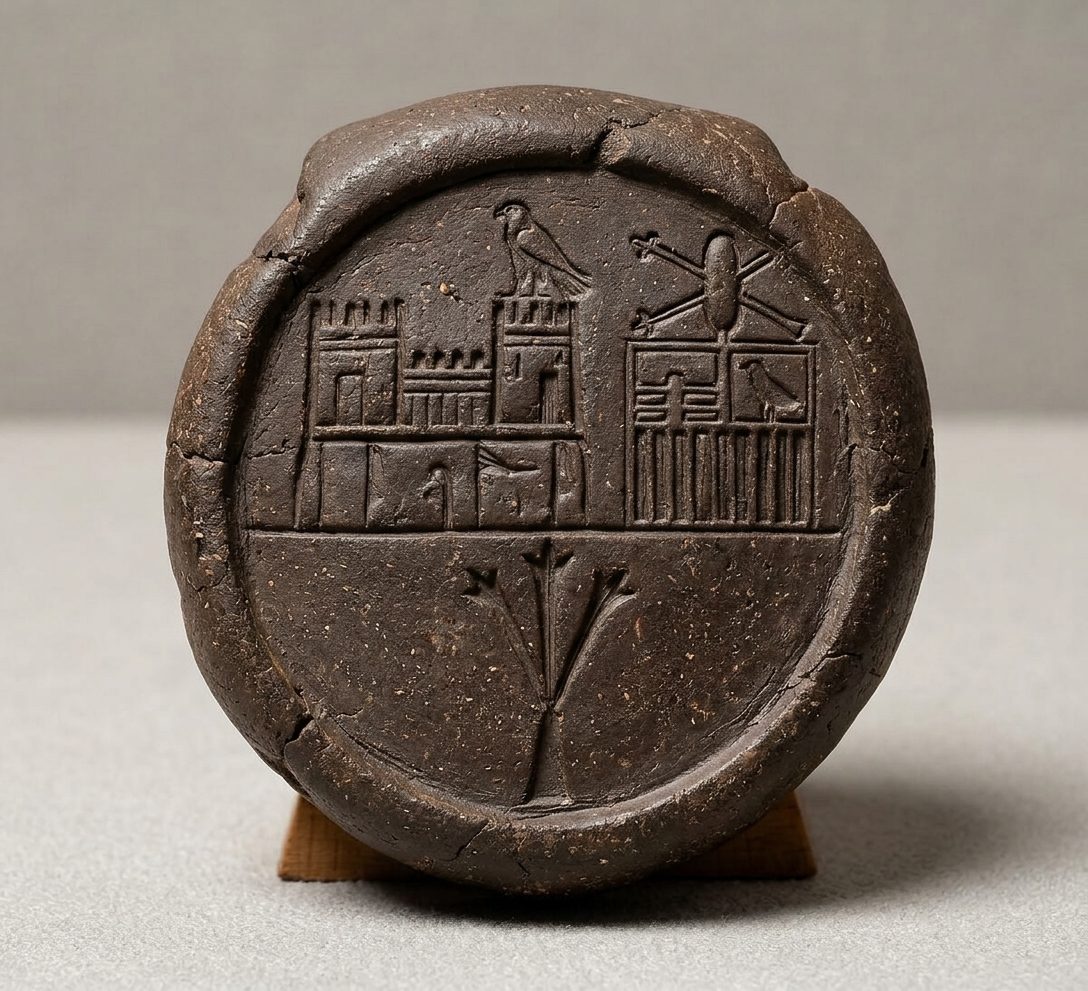
Hor-Aha is usually counted as the second king of the First Dynasty, after Narmer. The chronology used on this site ends his reign around 2870 BCE, when it began and how long it lasted are not known. His name means "Horus the fighter". Seal impressions from the royal cemetery at Abydos list him second, directly after Narmer, but a minority of Egyptologists identify him, rather than Narmer, with Menes, the founder of Egypt in later tradition.
- Reign
- Until c. 2870 BCE, length unknown (some reconstructions suggest about 35 years)
- Dynasty
- 1st
- Predecessor
- Narmer, probably his father
- Successor
- Djer, his son
- Queen
- Khenthap, mother of Djer, possibly Benerib
- Capital
- Probably Memphis, where Manetho says he built a palace
- Burial
- Tombs B10, B15 and B19, Umm el-Qa'ab, Abydos
- Main sources
- Seal impressions, ivory and wooden labels, jar inscriptions, the Palermo Stone
- Names
- Horus name Aha, "the fighter", Teti in the Abydos and Turin king lists, Athothis in Manetho. If he is the Menes of later tradition, that name belongs to him too, but most scholars give it to Narmer
Path to the throne
THEME ONE
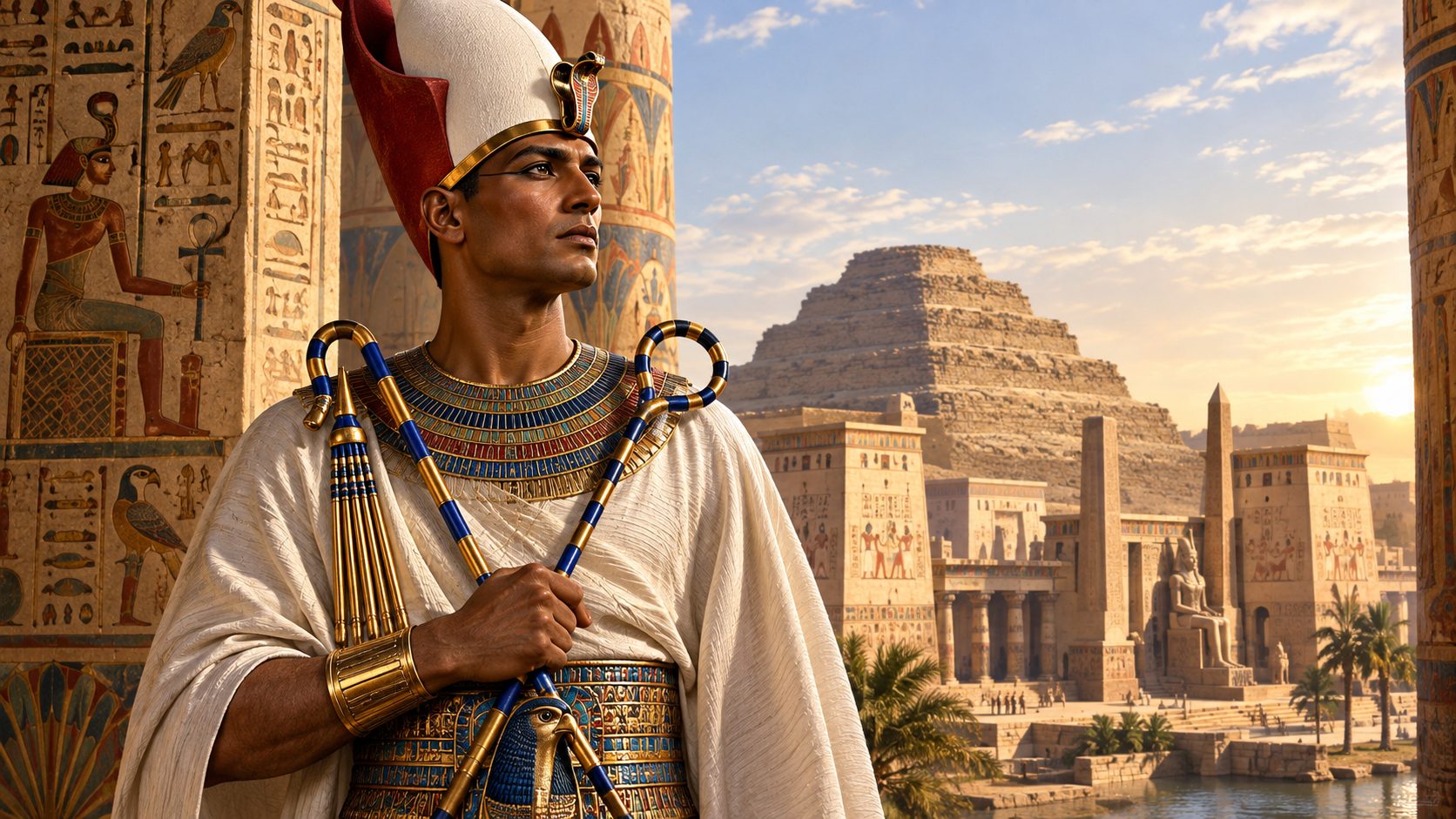
Hor-Aha was probably the son of Narmer. His mother is usually identified as Neithhotep, whose name appears beside those of both kings, although some scholars think she was Hor-Aha's wife rather than his mother. He inherited a country that Narmer had already brought under one crown, and seal impressions made in the reigns of Den and Qa'a list him as the second king of the dynasty.
Reign and government
THEME TWO
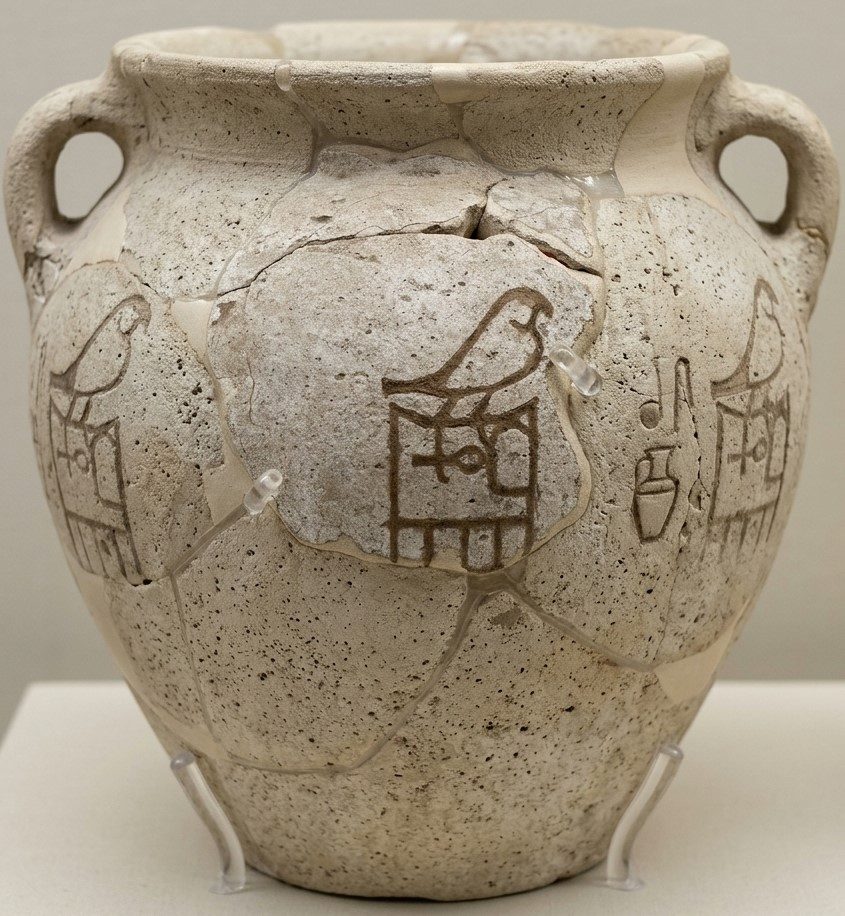
As under Narmer, the evidence is mostly labels, seals and inscribed jars. They show an administration that sealed and recorded goods and named each year after a notable event. The Palermo Stone, a royal annal carved centuries later, preserves part of the record of his last year: a festival called the "Following of Horus" and the making of an image of the god Anubis, together with the height of the Nile flood.
Manetho, writing some 2,500 years later, says that Hor-Aha built a palace at Memphis. Some scholars think the royal residence moved there in his reign, but this is an interpretation, not a recorded fact.
Wars and foreign lands
THEME THREE
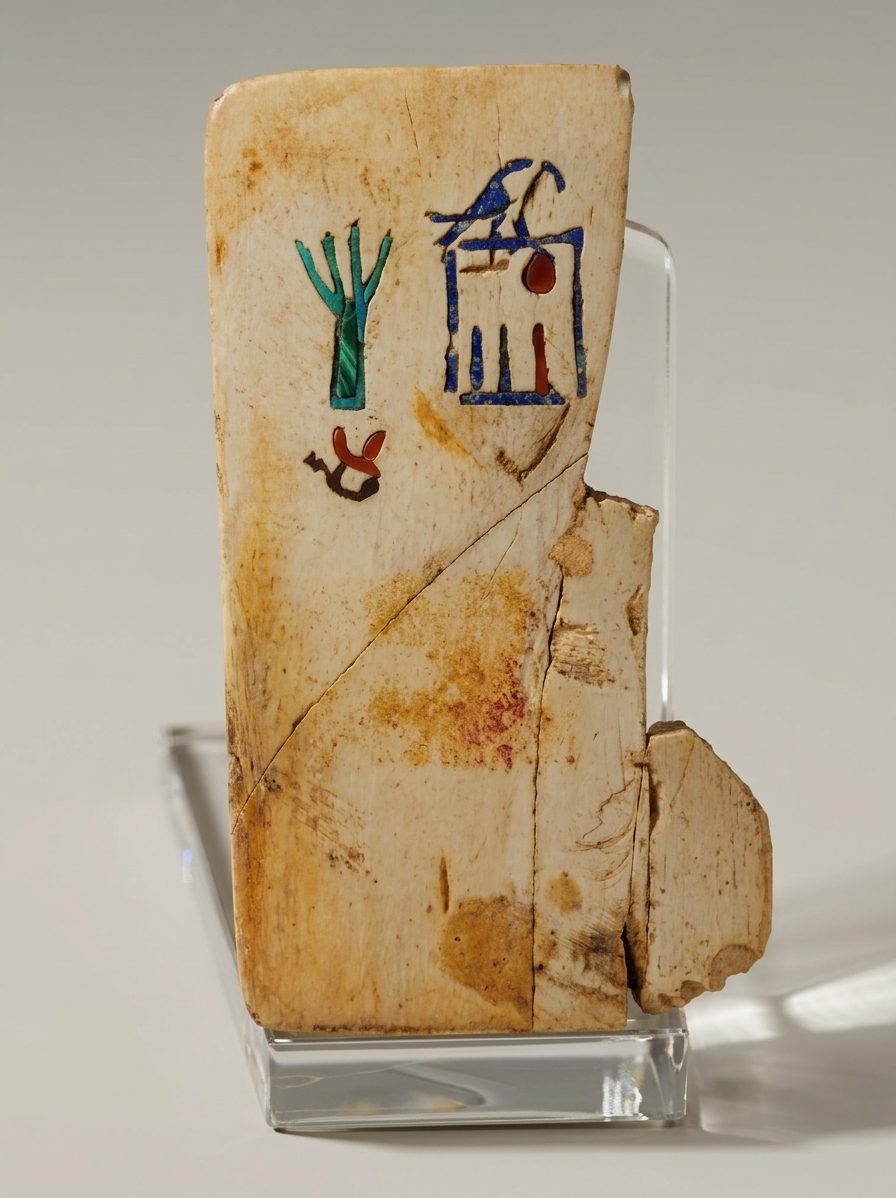
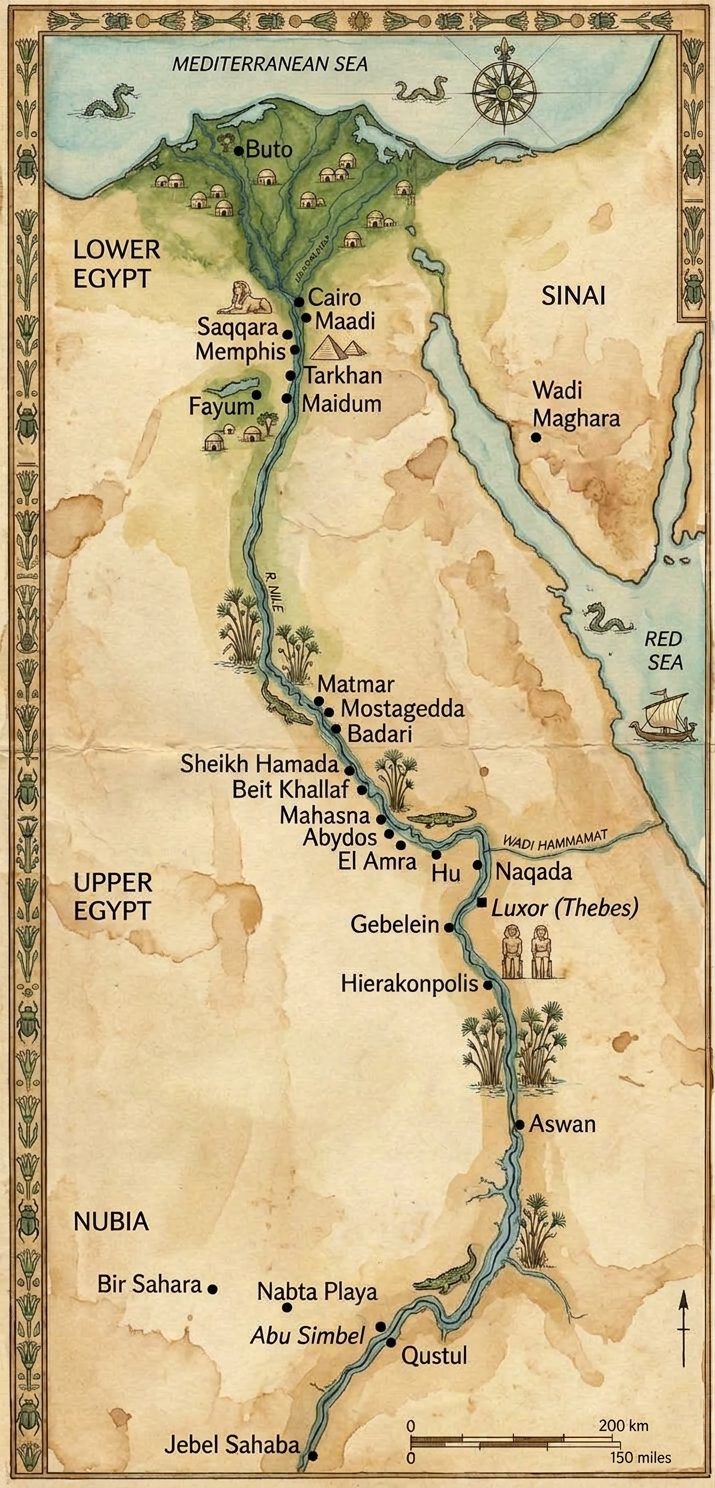
An ivory label from Abydos names one of his years as the "year of smiting Ta-Sety", the "land of the bow" in Lower Nubia. It is the clearest record of a campaign in his reign, other victory scenes may be standard royal imagery rather than real events. Cedar wood in his tomb shows that timber from the Lebanese coast was already reaching Egypt, probably through Byblos, although direct contact is not proven.
Monuments and art
THEME FOUR
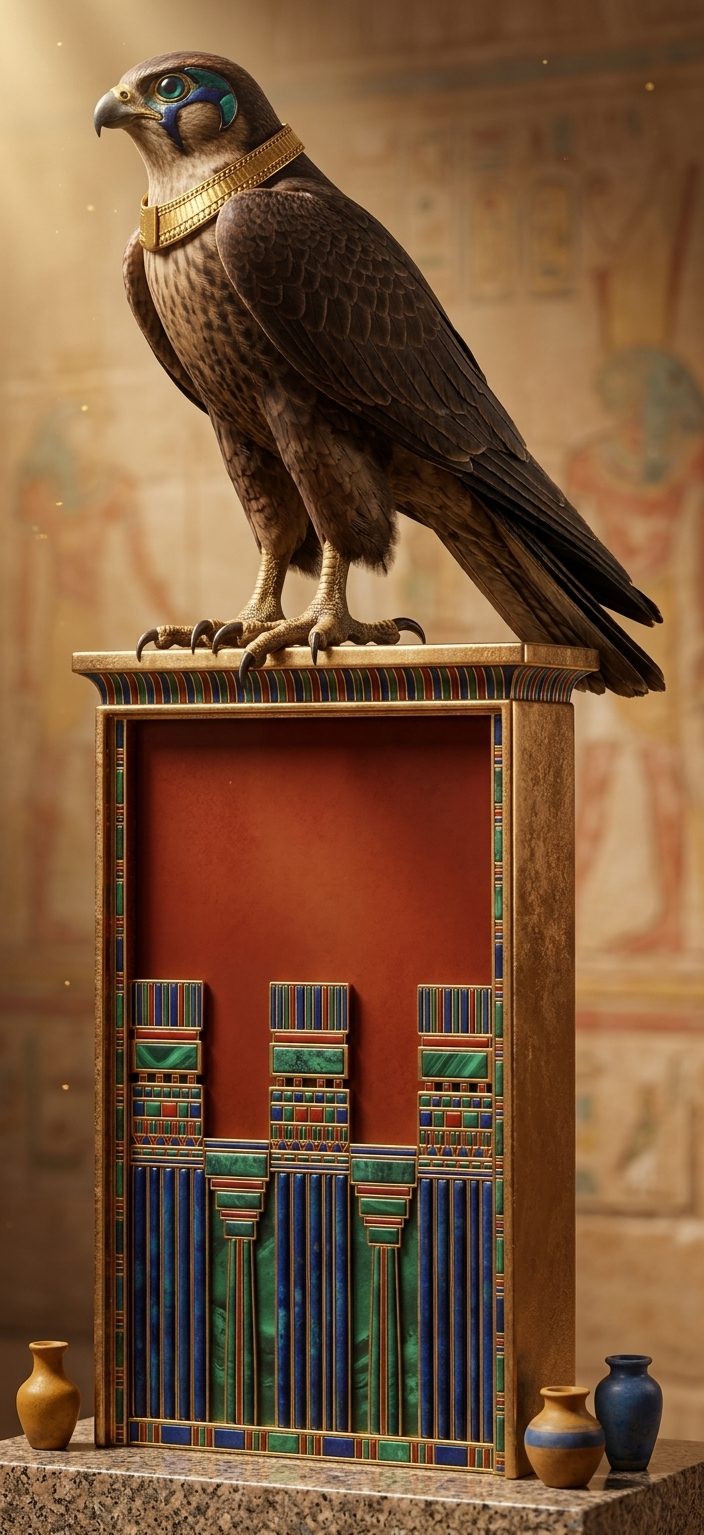
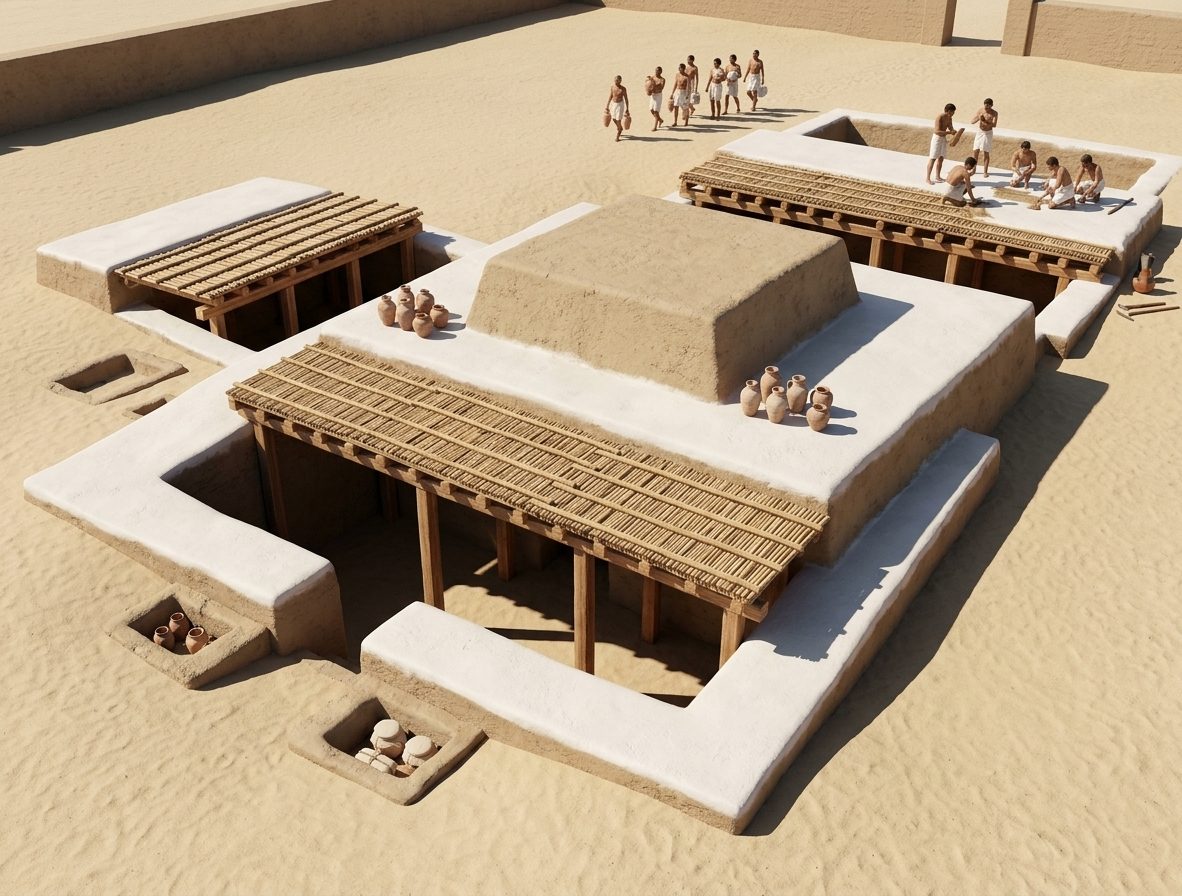
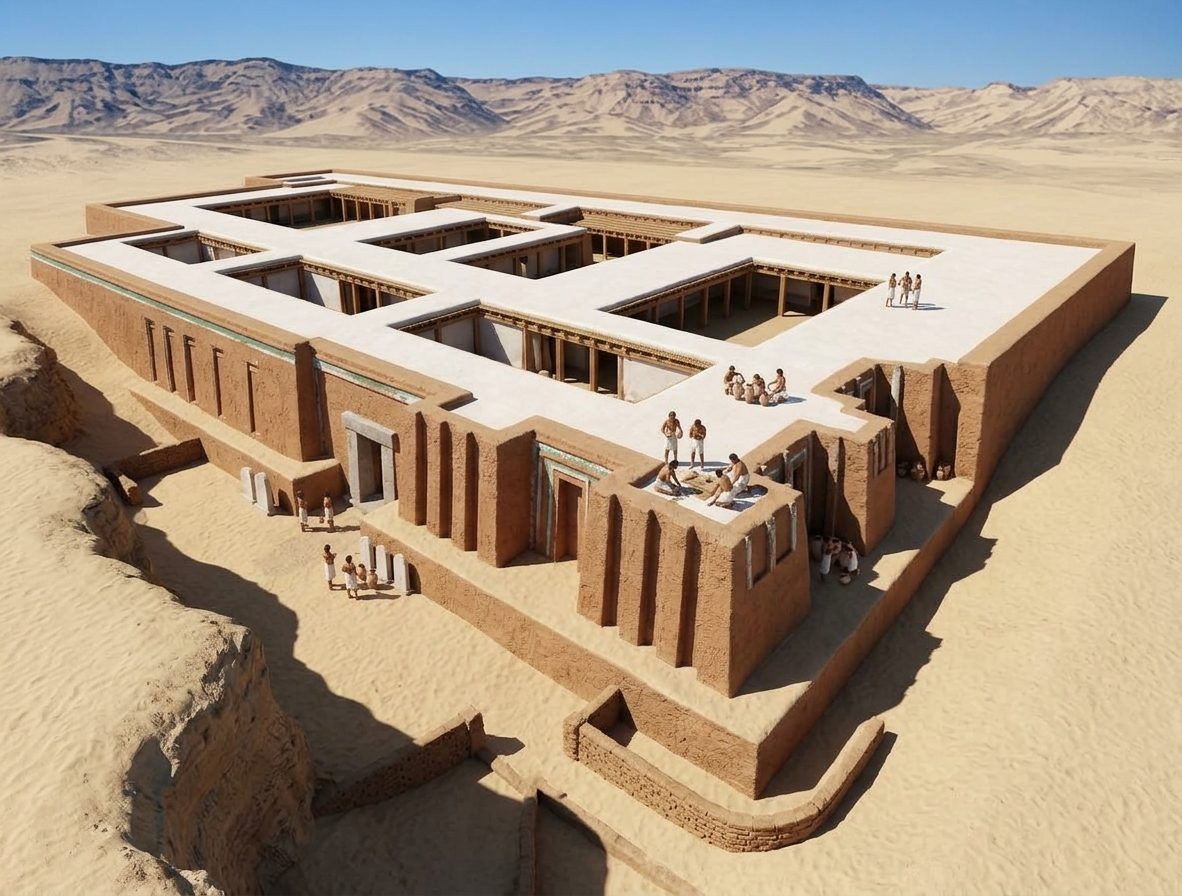
Hor-Aha's tomb at Umm el-Qa'ab is far larger than those of his predecessors: three great chambers, B10, B15 and B19, lined with mud brick. A huge mastaba at Naqada, about 54 by 27 metres, carries the names of Narmer and Hor-Aha and is usually attributed to Neithhotep. At Saqqara, near Memphis, the first large tomb with a niched "palace facade", S3357, dates from his reign, its owner is unknown, perhaps a member of the royal family or a high official.
Religion and beliefs
THEME FIVE
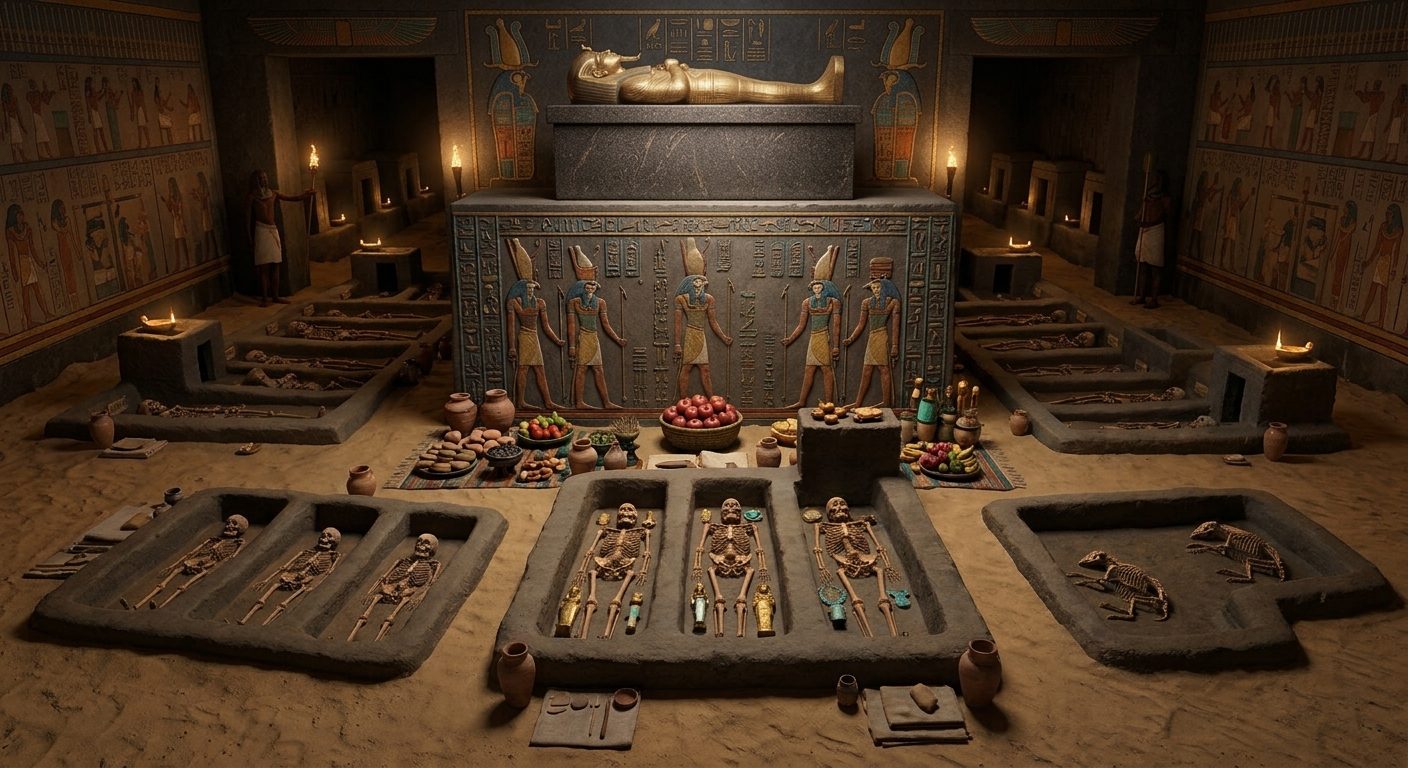
Hor-Aha's very name, "Horus the fighter", presents the king as the falcon god in action. Beside his tomb at Abydos lie 36 subsidiary graves in three rows, holding servants, dwarfs, women and even dogs: the earliest known case in Egypt of people buried with a king to serve him in the afterlife. How they died is unclear, but the custom continued throughout the First Dynasty.
Death and legacy
THEME SIX
Hor-Aha was buried at Abydos, and his son Djer, whose mother Khenthap is named on the Palermo Stone, succeeded him. Later Egyptians remembered the founder of their state as Menes, and the first names in the king lists, Meni and then Teti, are usually matched with Narmer and Hor-Aha. A minority of Egyptologists, among them Günter Dreyer, Wolfgang Helck and Peter Kaplony, think Menes was Hor-Aha, most think he was Narmer.
Key dates
- Before c. 2870 BCEHor-Aha succeeds Narmer as the second king of the First Dynasty.
- Before c. 2870 BCEA year is named after a campaign against Ta-Sety in Lower Nubia.
- c. 2870 BCEHor-Aha dies and is buried at Abydos, his son Djer succeeds him.
- 1985A seal impression from the reign of Den, found at Abydos, lists Hor-Aha second, after Narmer.
- 1991A seal impression from the reign of Qa'a lists all eight kings of the dynasty, with Hor-Aha second.