Home · Ancient History · Ancient Egypt · Early Dynastic Period
Den
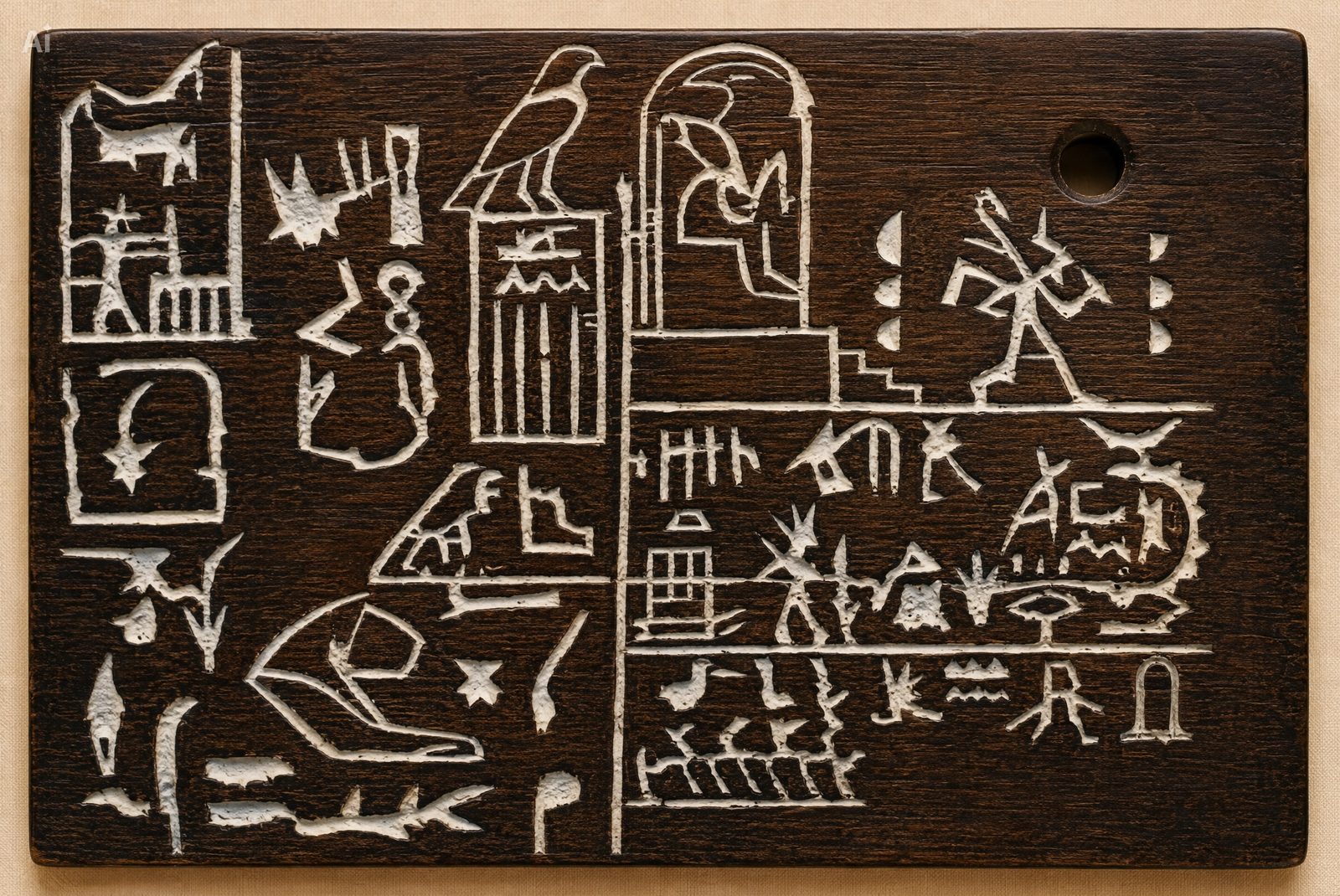
Den, son of Djet and Merneith, came to the throne as a child and went on to rule for about forty years, from 2814 to 2772 BCE in the chronology used on this site. He is the best-documented king of the First Dynasty: labels from his tomb are the earliest known images of a king in the double crown of Upper and Lower Egypt, he was the first to use the title "King of Upper and Lower Egypt", and he celebrated the Sed festival of royal renewal. His tomb at Abydos was the first with a stairway and a granite floor.
- Reign
- 2814 - 2772 BCE, about 42 years (Manetho gives 20)
- Dynasty
- 1st
- Successor
- Adjib (Anedjib), probably his son
- Queen
- Semat, Seshemetka, Serethor and possibly Qaineit
- Capital
- Probably Memphis
- Burial
- Tomb T, Umm el-Qa'ab, Abydos
- Main sources
- The Palermo Stone, ivory and wooden labels, seal impressions, rock reliefs in Sinai
- Names
- Horus name Den, probably "he who brings the water" (also read Dewen or Udimu), throne name Khasty, "he of the two deserts", Sepati in the Abydos king list and Qenenti in the Turin list, both later misreadings, Usaphais in Manetho
Path to the throne
THEME ONE
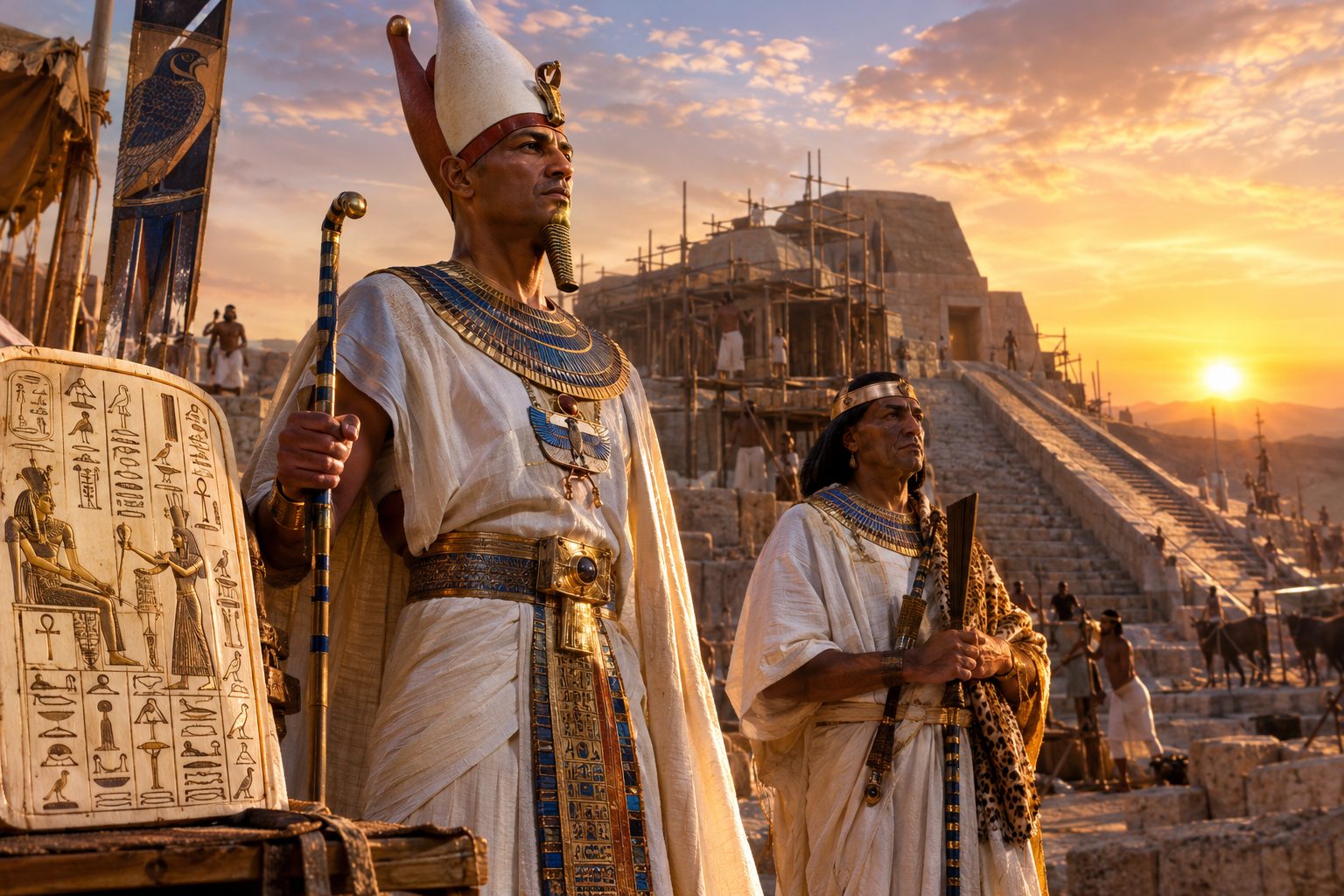
Den was the son of Djet and Merneith. He was probably still a child when his father died, so his mother governed for him in his first years, a seal from his tomb names her "King's Mother". Once he ruled alone, his reign became one of the longest of the dynasty. The Palermo Stone records his years up to the 41st, and most Egyptologists accept a reign of about 42 years, against the 20 given by Manetho.
Reign and government
THEME TWO
Den's reign shows a state reaching maturity. He was the first king to use the title nesu-bity, "King of Upper and Lower Egypt", which pharaohs would keep for three thousand years, and labels from his tomb are the earliest known images of a king in the double crown. The Palermo Stone records his second Sed festival in his 30th year, a festival of Djet in his 32nd and the first running of the Apis bull in his 39th. Great officials served him, among them the chancellor Hemaka, whose large tomb at Saqqara is usually dated to Den's reign.
Wars and foreign lands
THEME THREE
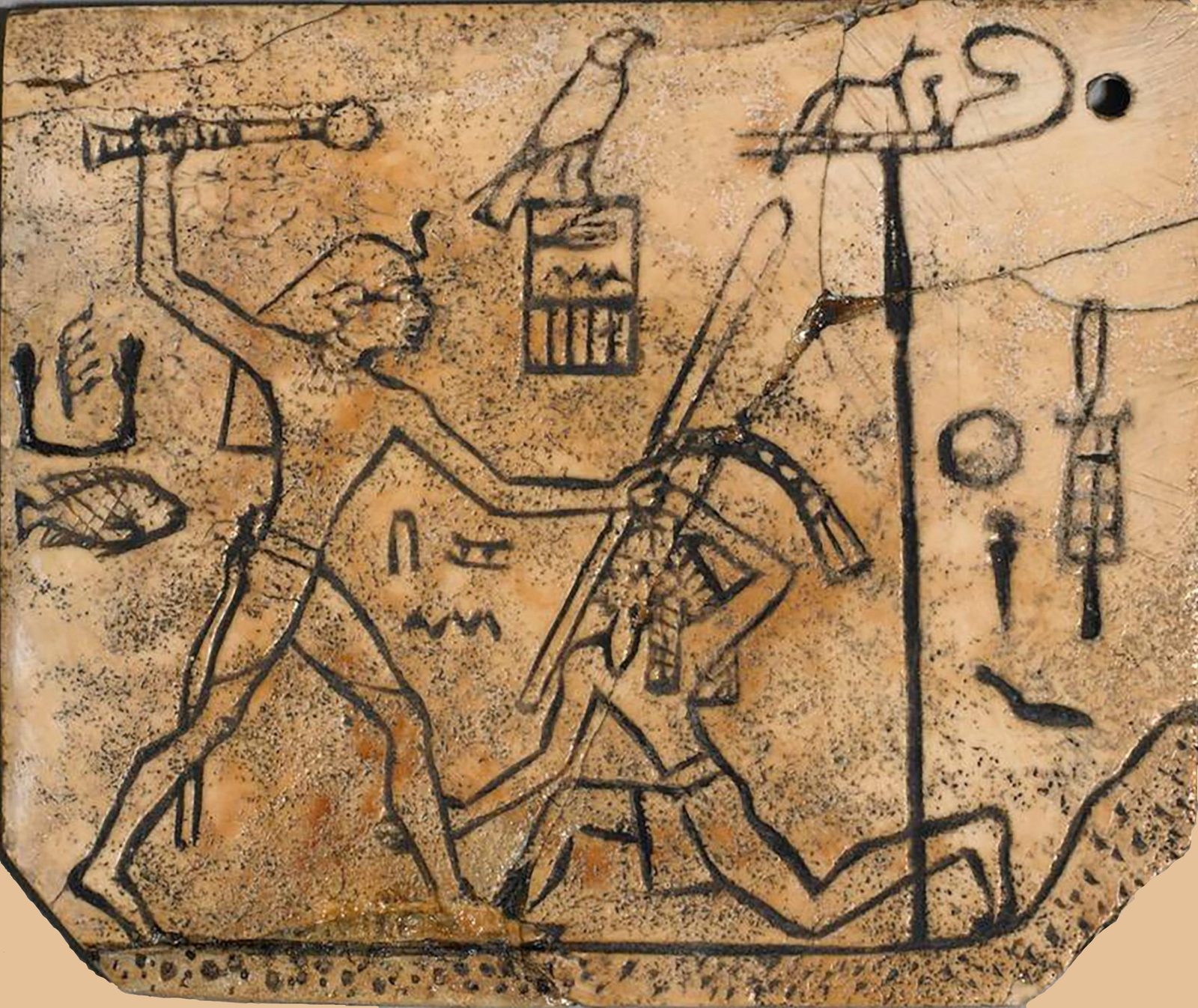
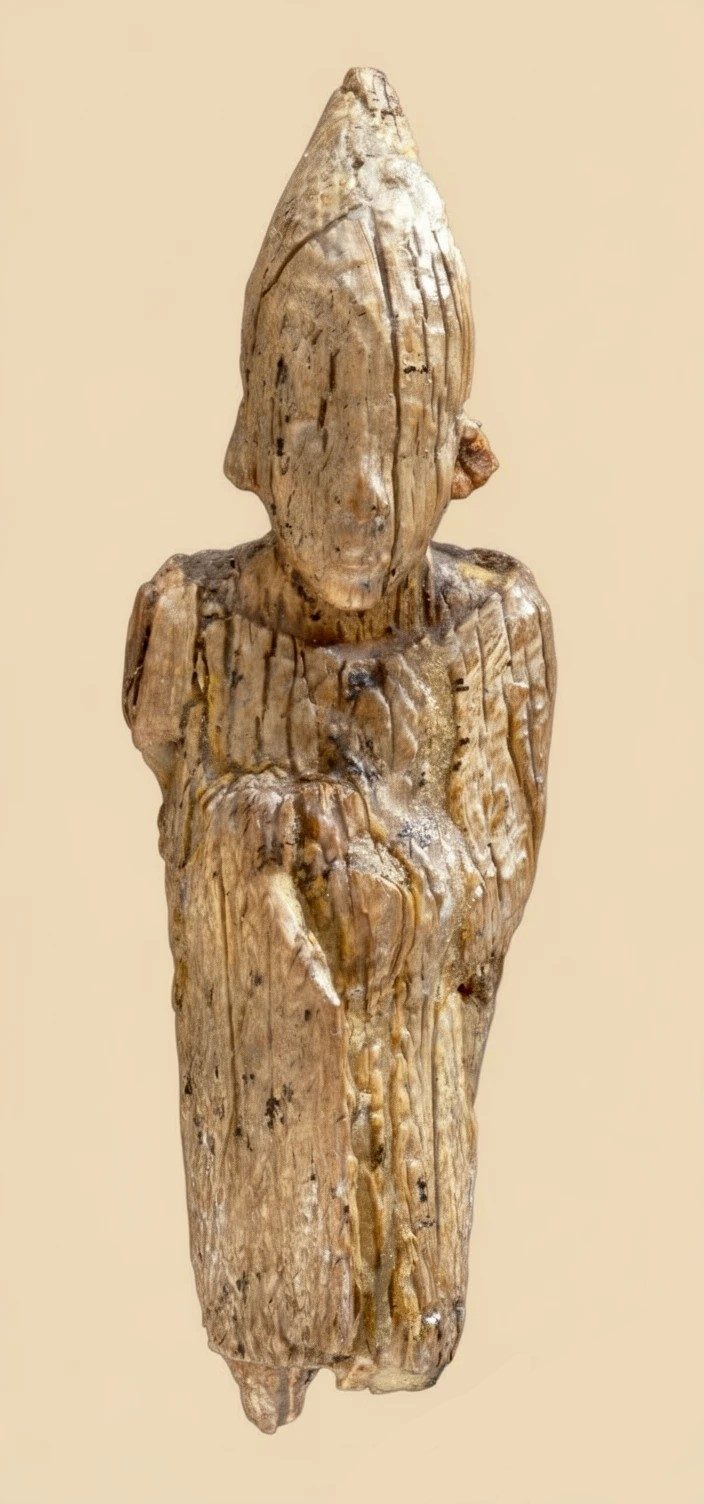
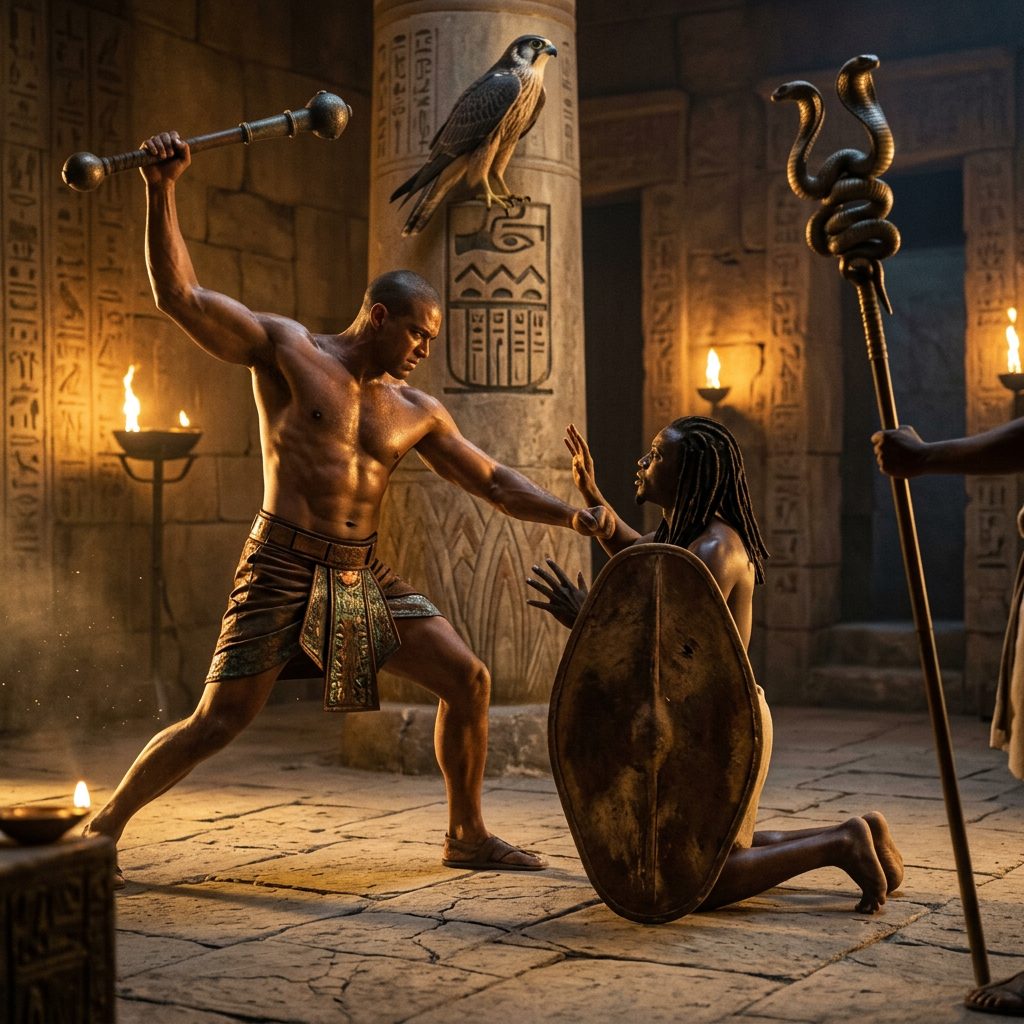
An ivory label from Abydos, now in the British Museum, shows Den with a raised mace striking a kneeling enemy with braided hair and a pointed beard, and is inscribed "first time of smiting the East". Den is also the first king attested by rock reliefs in Sinai, where he appears with his officials, and the Palermo Stone records the smiting of the Iuntyu, desert nomads, in his 29th year. These expeditions probably aimed at the routes to the copper and turquoise of Sinai.
Monuments and art
THEME FOUR
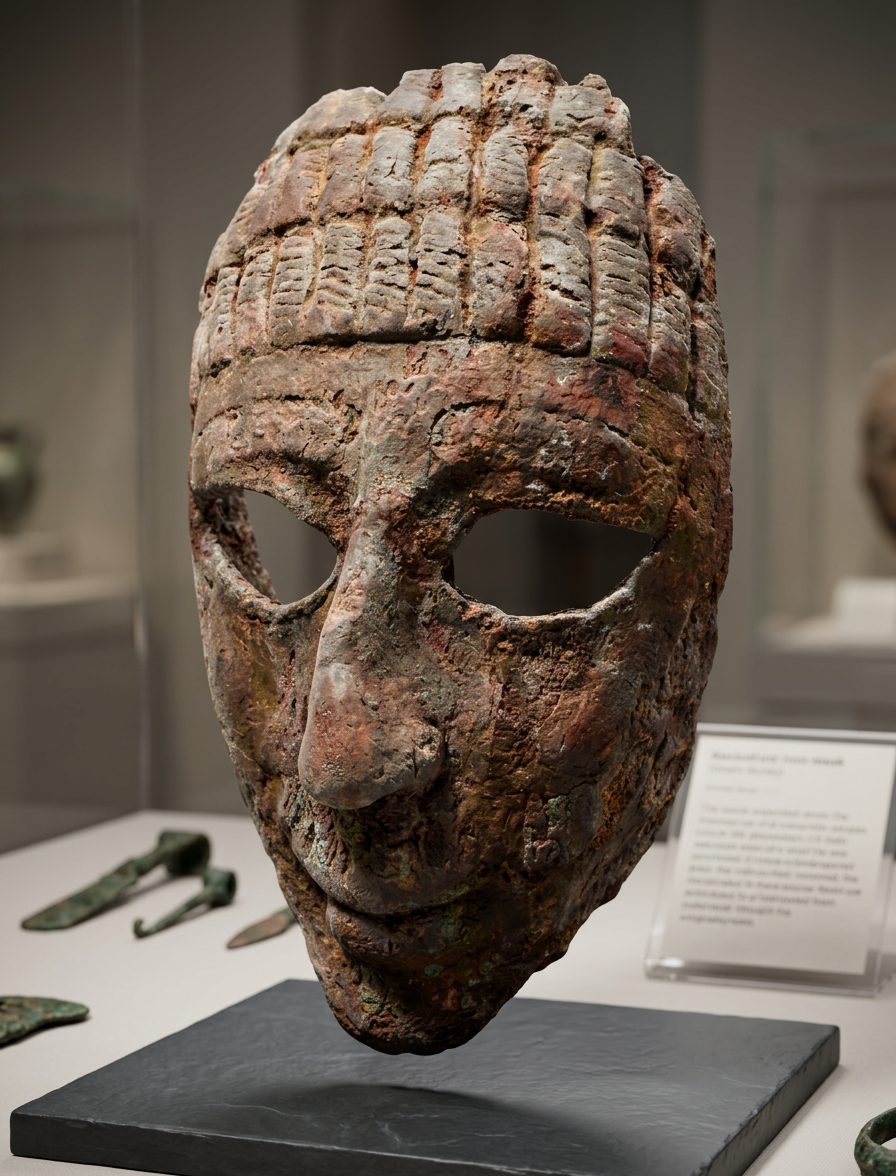
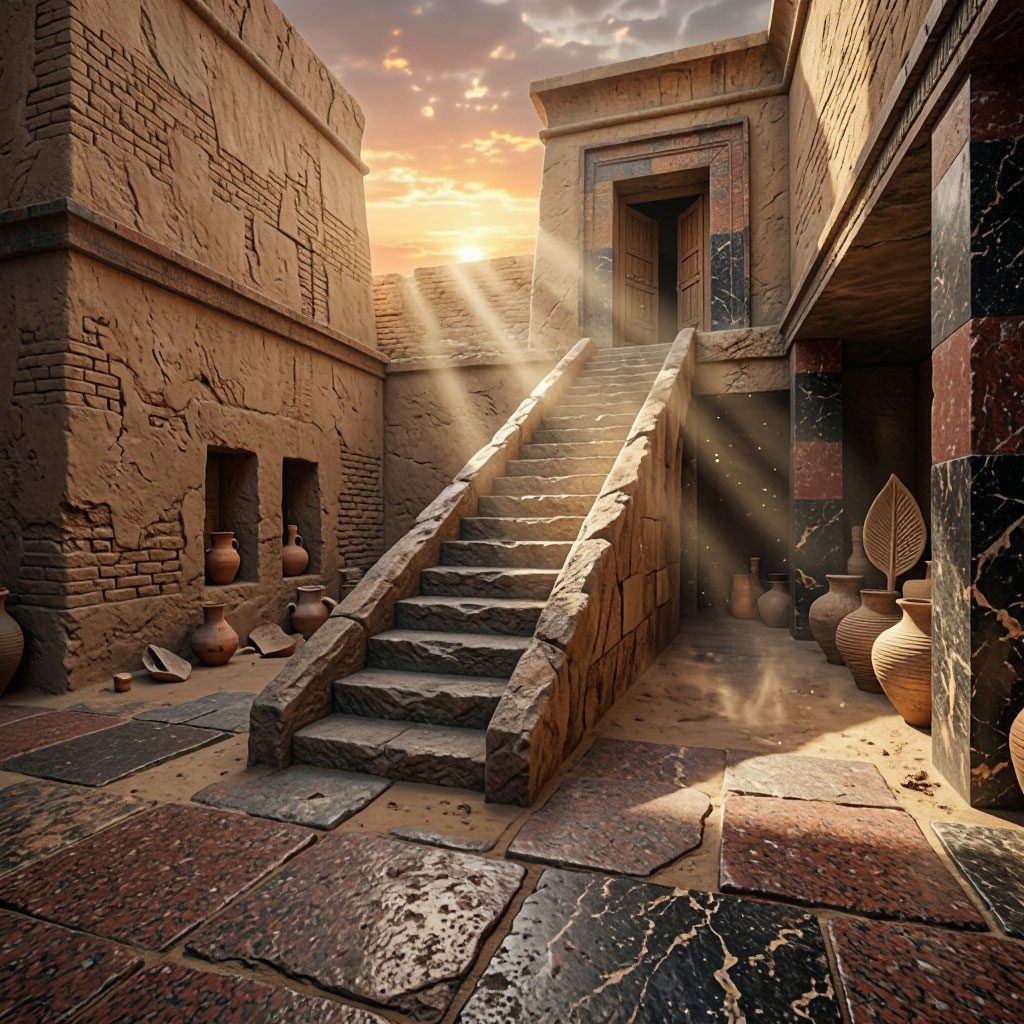
Den's tomb T at Umm el-Qa'ab is one of the largest and most carefully built of the dynasty. It was the first royal tomb reached by a stairway, so it could be completed and closed after the burial, a wooden door and a portcullis protected the chamber. Its floor was paved with red and black granite from Aswan, the first large-scale use of such hard stone in Egyptian architecture. About twenty labels were found in it, most of them by Flinders Petrie.
Religion and beliefs
THEME FIVE
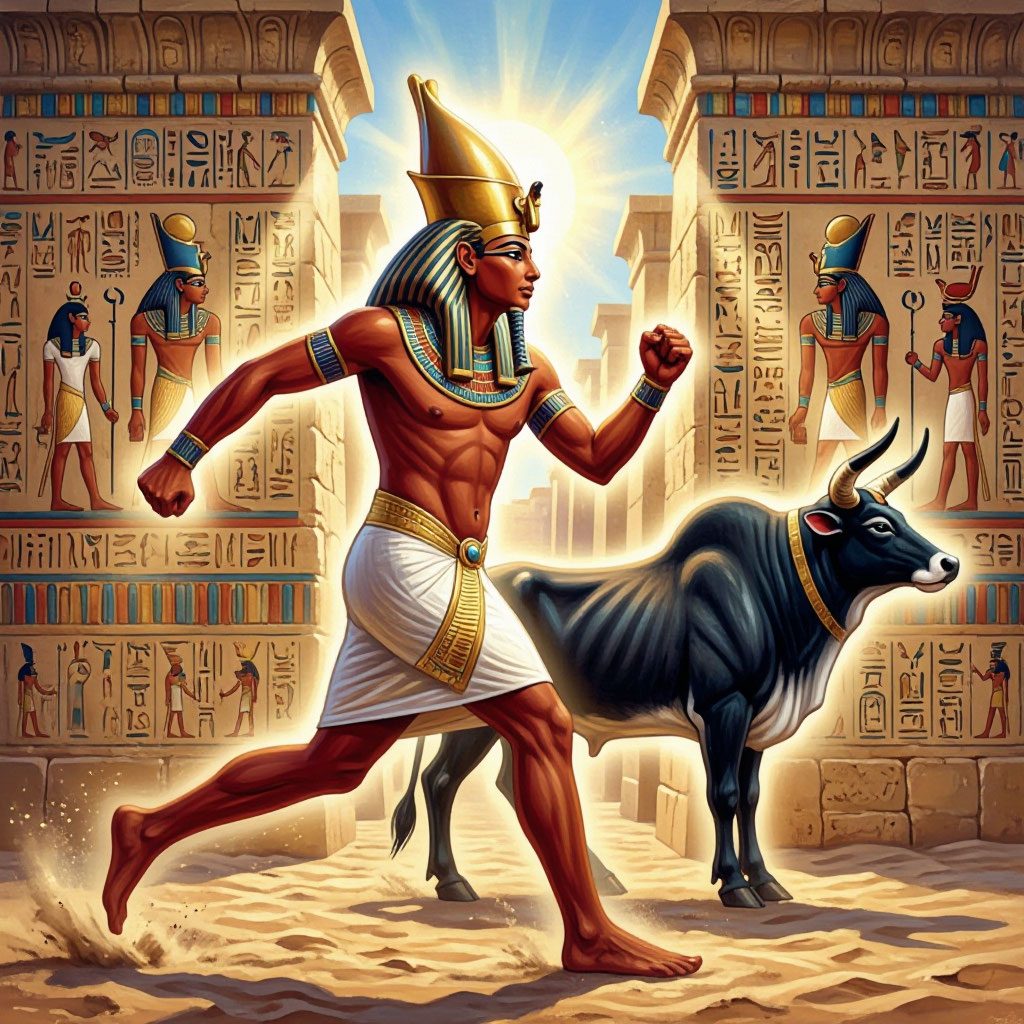
The Sed festival renewed the king's strength and his right to rule, and labels show Den running a ritual course between markers as part of it. The running of the Apis bull, a sacred animal later linked with the god Ptah of Memphis, appears for the first time in his annals. About 136 men and women were buried around his tomb, and some skeletons suggest that they were killed when he died.
Death and legacy
THEME SIX
Den was buried at Abydos around 2772 BCE and was succeeded by Adjib, probably his son, Semerkhet, the next king, may also have been his son. His long reign left more evidence than any other of the dynasty, and later Egyptians still remembered him, with medical texts of the New Kingdom attributing some remedies to his time (perhaps only so that they sounded ancient and authoritative).
Key dates
- 2814 BCEDen becomes king as a child, with his mother Merneith governing for him.
- c. 2786 BCEIn his 29th year the Palermo Stone records the smiting of the Iuntyu.
- c. 2785 BCEDen celebrates his second Sed festival, in his 30th year.
- 2772 BCEDen dies and is buried at Abydos, Adjib succeeds him.
- 1985A seal impression from his reign, listing the earlier kings, is found at Abydos.