Home · Ancient History · Ancient Egypt · Early Dynastic Period
Adjib
Adjib (also Anedjib), the sixth pharaoh of the First Dynasty, is remembered as a reformer who tried to strengthen central power. He is dated c. 2820 - 2810 BCE by E. Hornung (2006). His successor later erased many of his monuments, so much of his real contribution is known only from archaeology and the king lists.
- Reign
- c. 2820 - 2810 BCE (E. Hornung, 2006)
- Dynasty
- 1st
- Predecessor
- Den
- Successor
- Semerkhet, possibly his son by Queen Tarset
- Queen
- Tarset, possibly
- Horus name
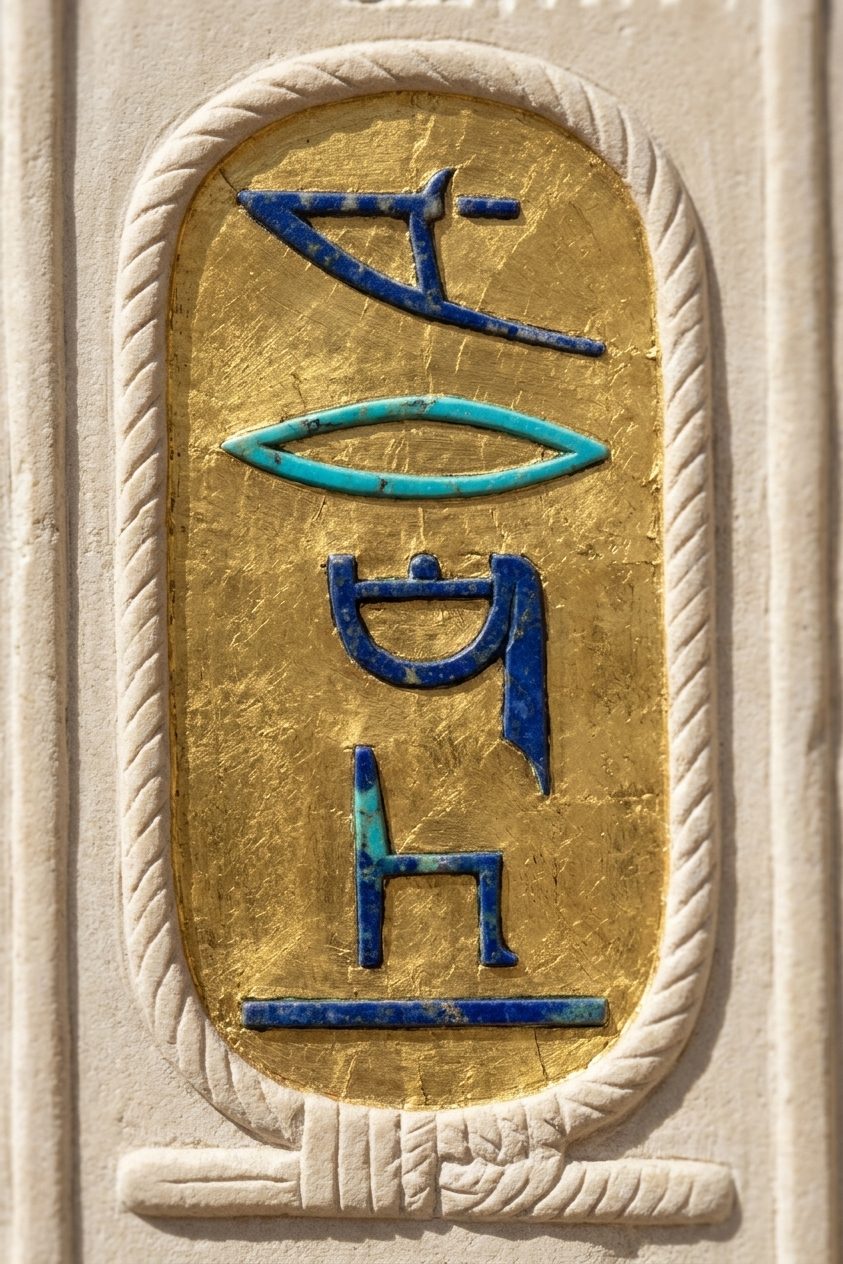
- "Protection is his heart" or "Whole of heart" (translations vary)
- Burial
- Umm el-Qa'ab, near Abydos
- Names
- Adjib / Anedjib, Hor-Adjib / Hor-Anedjib, personal name Meribiapu, Meribiapen or Merigeregpen (versions differ), Manetho: Miebis
- Main sources
- The Palermo Stone, the Abydos, Saqqara and Turin king lists, Manetho
Place in the dynasty
THEME ONE
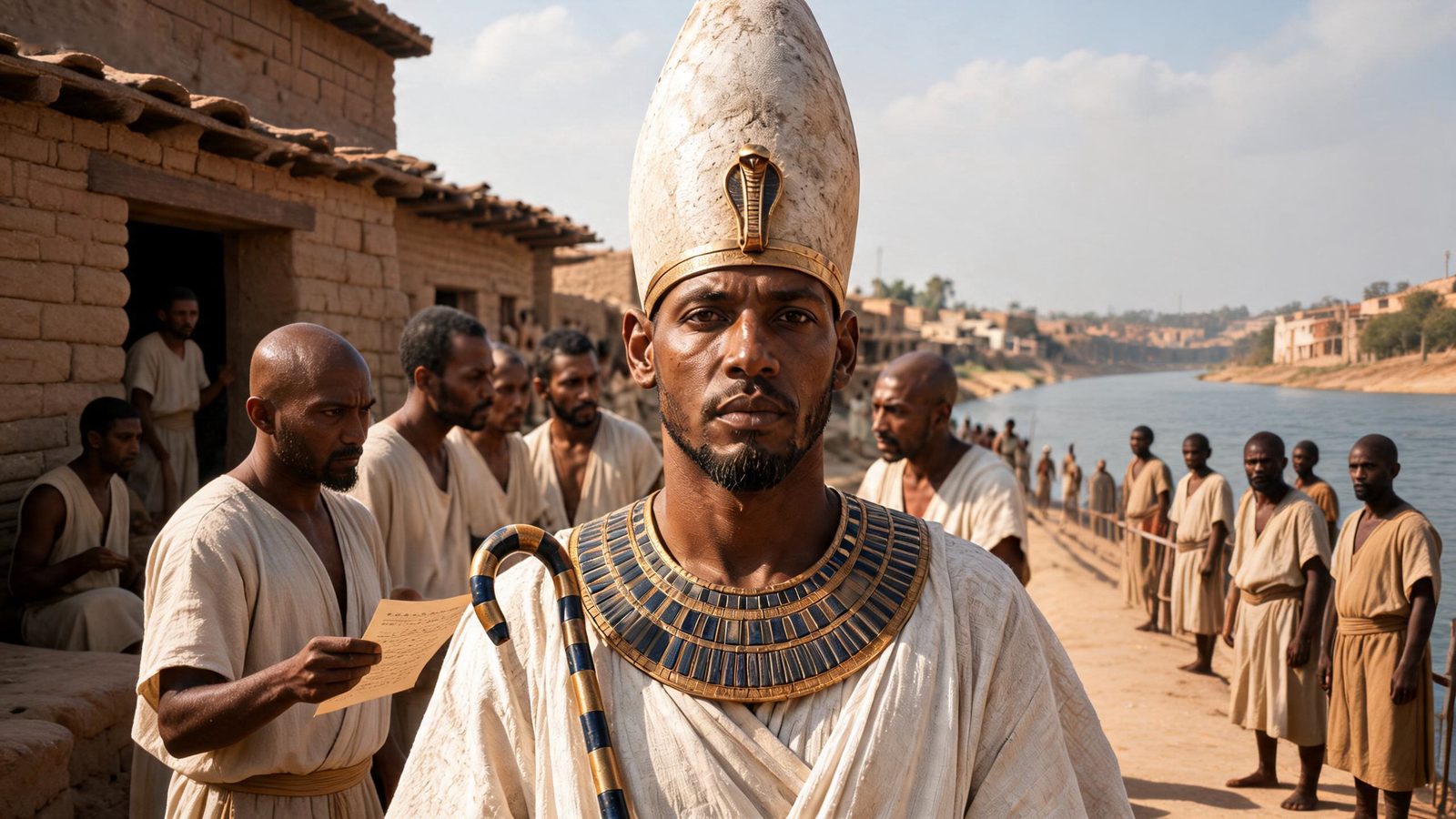
Adjib was the sixth pharaoh of the First Dynasty, although some scholars count him as fifth. His Horus name, one of the royal titles, is translated as "Protection is his heart" or "Whole of heart". His personal name appears differently in the king lists (Meribiapu, Meribiapen, Merigeregpen), and Manetho records it as Miebis.
Administrative reforms
THEME TWO
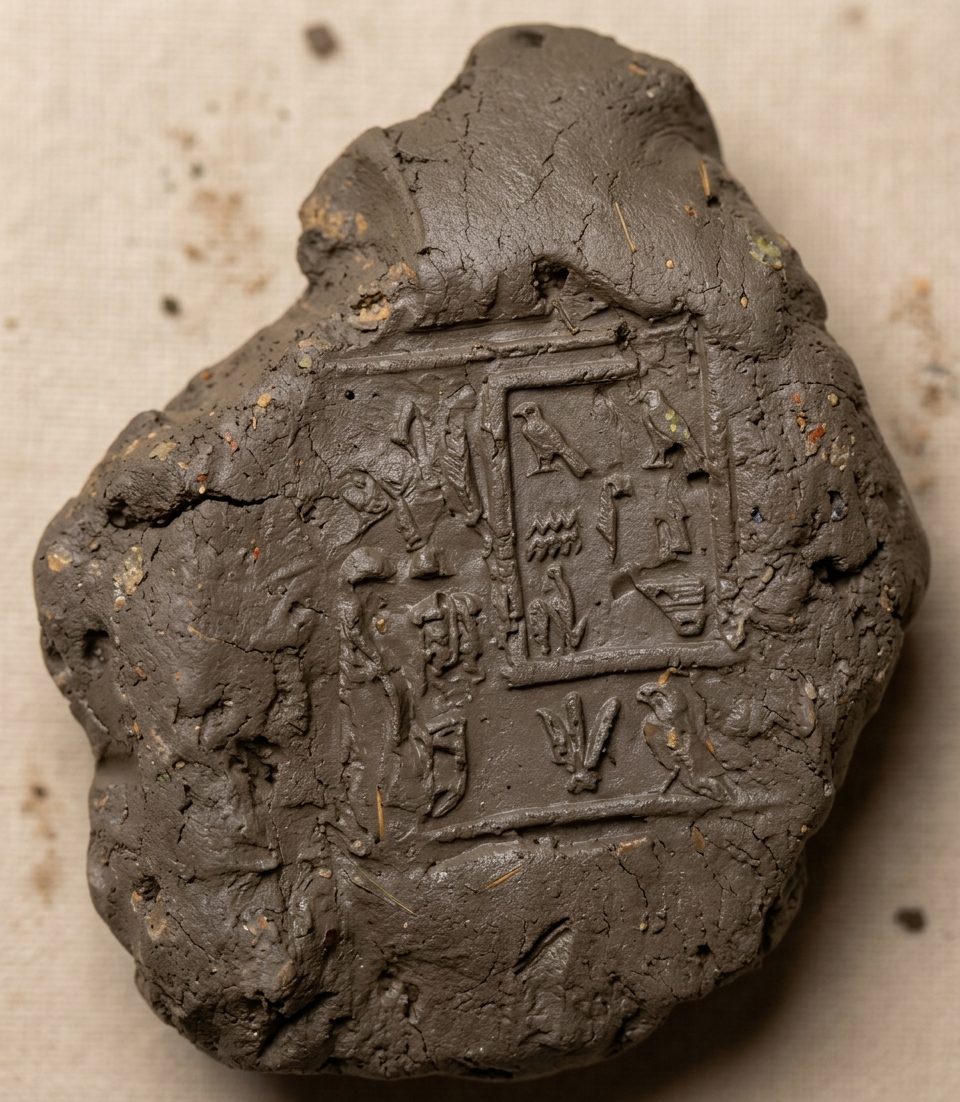
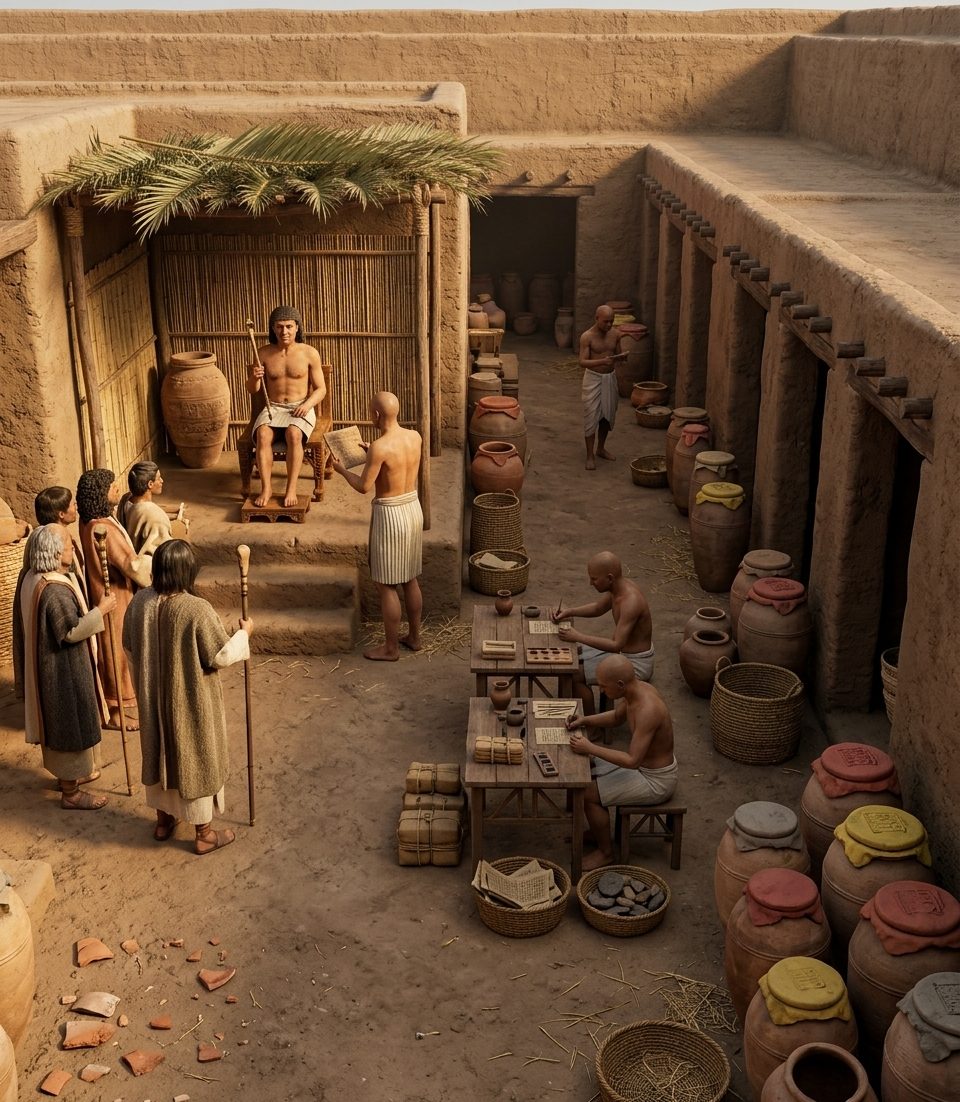
Adjib is often called a reformer. He sought to strengthen central power. Under him the title "King of Upper and Lower Egypt" became a key and obligatory part of the royal protocol. He also created new bureaucratic posts, for example "overseer of the royal estate", and ordered several official buildings to be built. None of them survives.
Military successes
THEME THREE
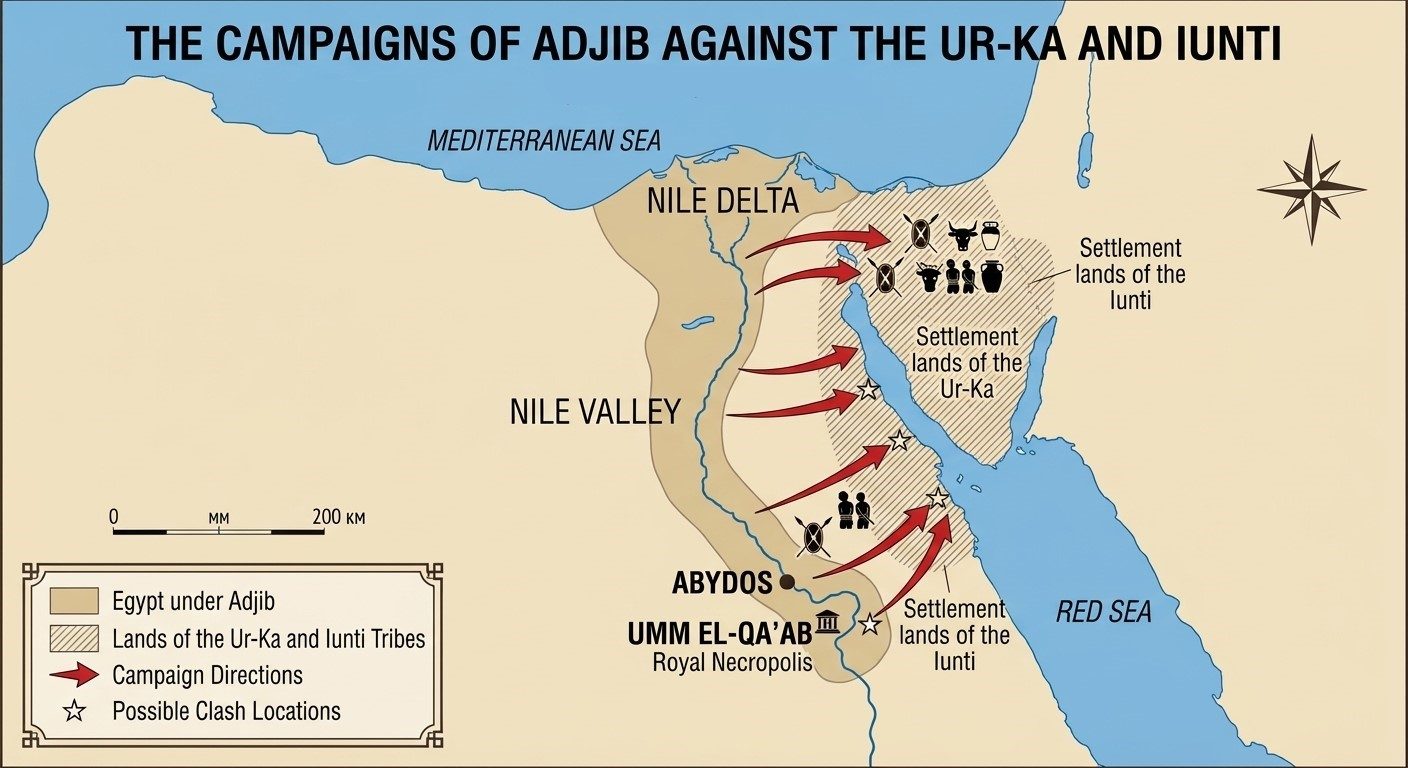
The Palermo Stone records that Adjib defeated the Ur-ka and Iuntiu peoples, who most likely lived east of the Nile Delta. These victories probably helped secure the borders and strengthen the pharaoh's authority.
Internal troubles
THEME FOUR
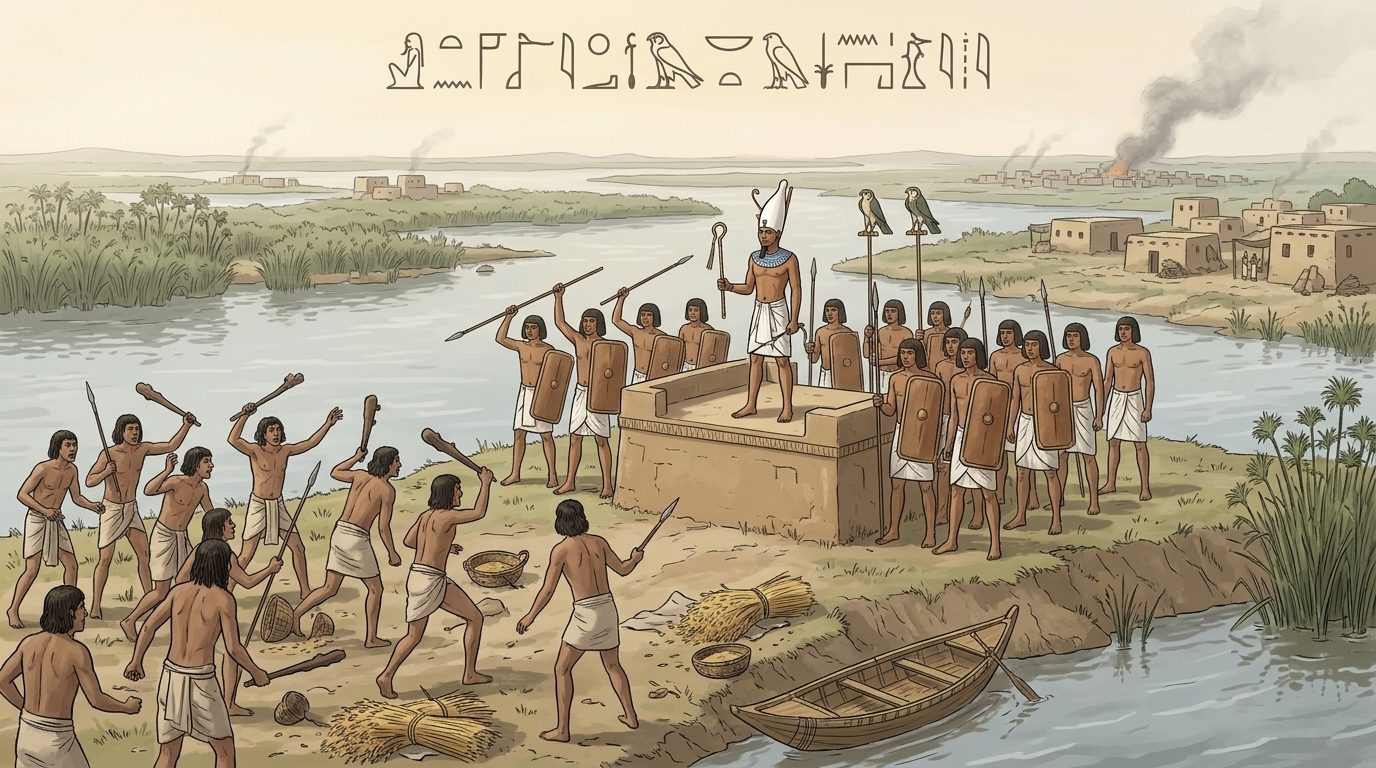
Despite the reforms, his reign was not free of trouble. There is evidence of a revolt in Lower Egypt, in the Delta, and Adjib had to suppress the resistance to central power. Together with a relatively short reign, this limited the scope for large building projects.
Tomb
THEME FIVE
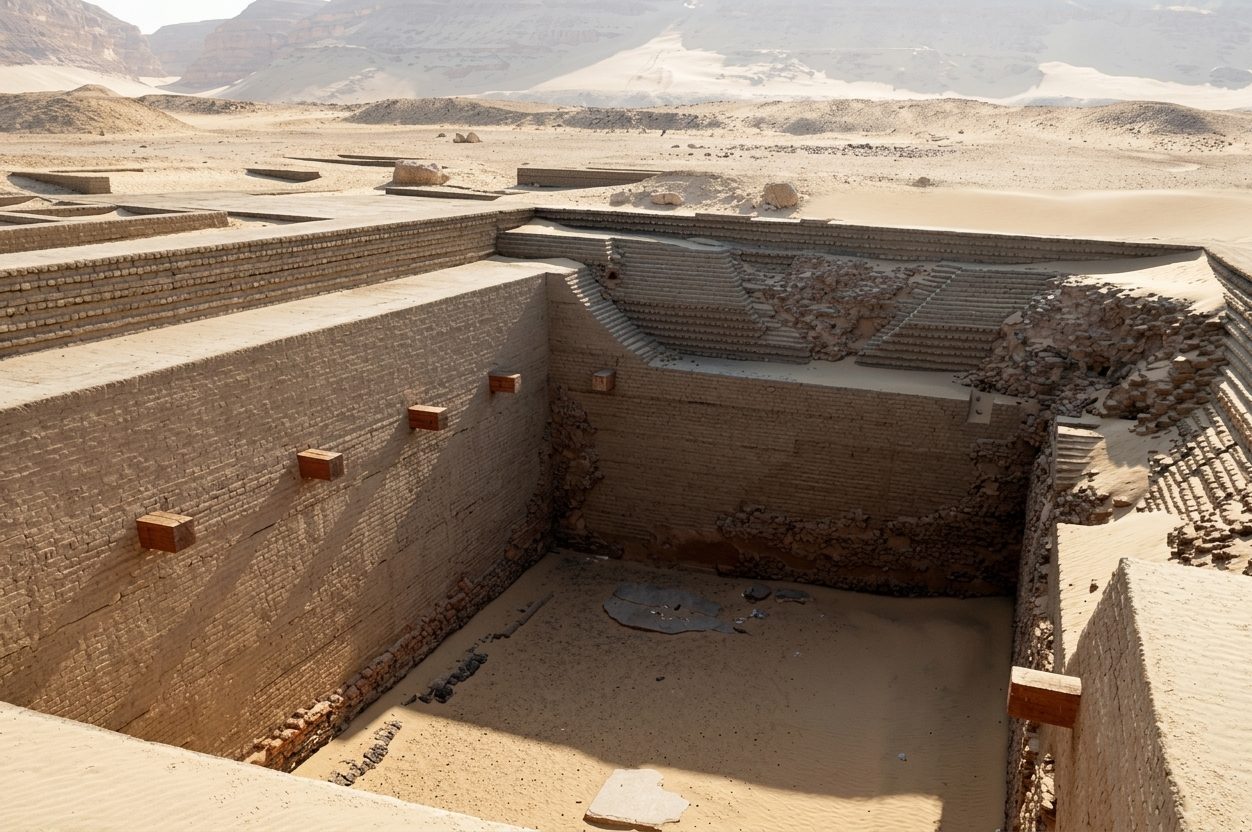
Adjib was buried in the Umm el-Qa'ab necropolis near Abydos, the traditional royal cemetery of the First Dynasty pharaohs.
After death: damnatio memoriae
THEME SIX
His successor Semerkhet, possibly Adjib's son by Queen Tarset, erased many of Adjib's monuments. Historians link this to the new pharaoh's attempt to legitimise his own rule. As a result Adjib stayed in the shadow of historical memory for a long time, and only modern archaeology is gradually restoring his real contribution.
Key dates
- c. 2820 - 2810 BCEAdjib reigns, according to E. Hornung (2006).
- ReignThe Palermo Stone records his victories over the Ur-ka and Iuntiu peoples.
- After his deathHis successor Semerkhet erases many of his monuments.