
Home · Ancient History · Ancient Egypt · Early Dynastic Period
Qa'a
Qa'a, the eighth pharaoh of the First Dynasty, is dated c. 2800 - 2770 BCE by E. Hornung (2006). His long and stable reign, the second Sed festival recorded on a siltstone bowl and the large Tomb Q at Abydos make him one of the most important rulers of the dynasty. He closed the era while the foundations of the Second Dynasty were being laid.
- Reign
- c. 2800 - 2770 BCE (E. Hornung, 2006), Manetho gives about 26 years, the Sed festival evidence points to more than 30
- Dynasty
- 1st
- Predecessor
- Semerkhet
- Successor
- Hotepsekhemwy (most likely, founder of the 2nd Dynasty)
- Royal names
- Horus name Qa'a, Nebty name Sen, nswt-bity name Qa'a (variant Sehetep in some sources)
- Manetho
- About 26 years of reign (probably too low)
- Burial
- Tomb Q, Umm el-Qa'ab, Abydos
- Main sources
- Stone vessel inscriptions recording the second Sed festival (including a siltstone bowl fragment), year labels, seal impressions from his tomb, the stela of the official Sabef, Manetho
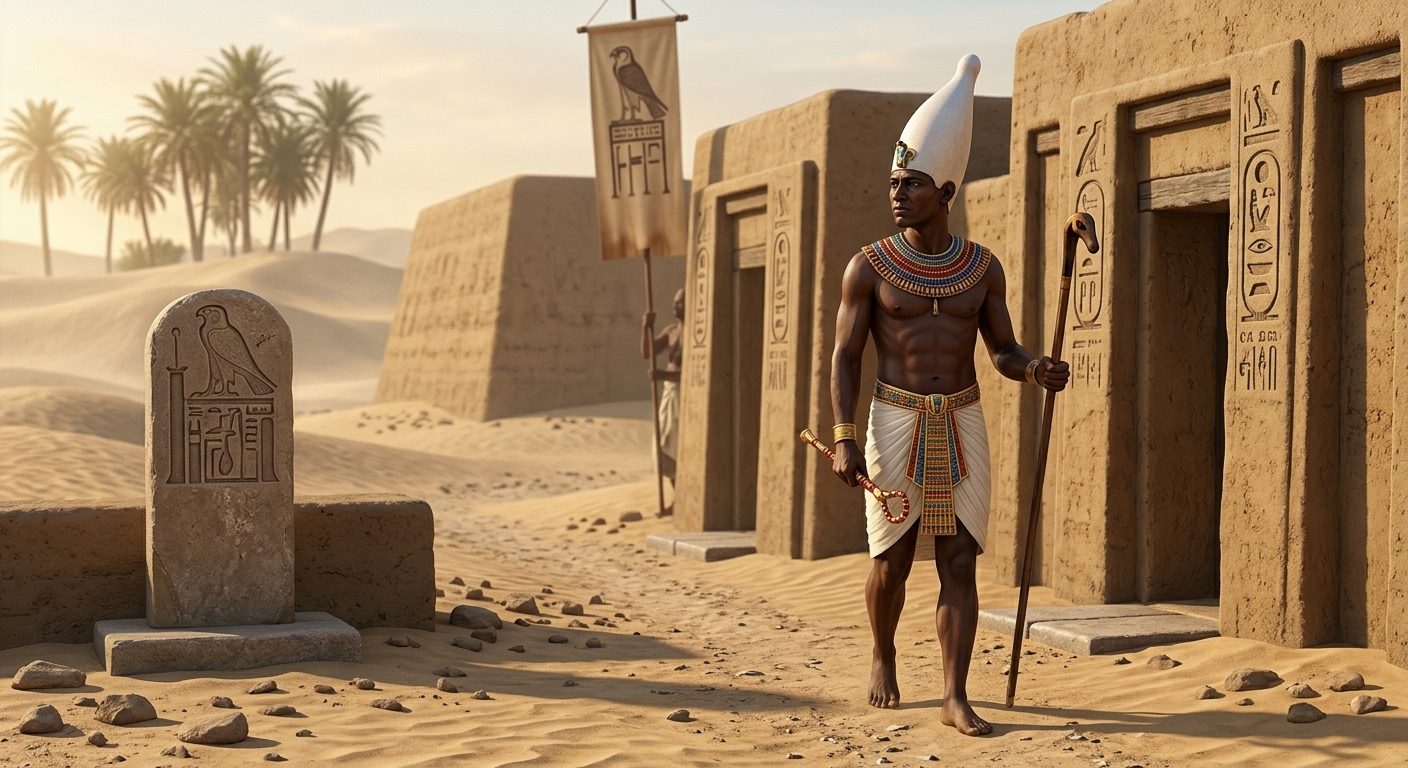
Long and stable reign
THEME ONE
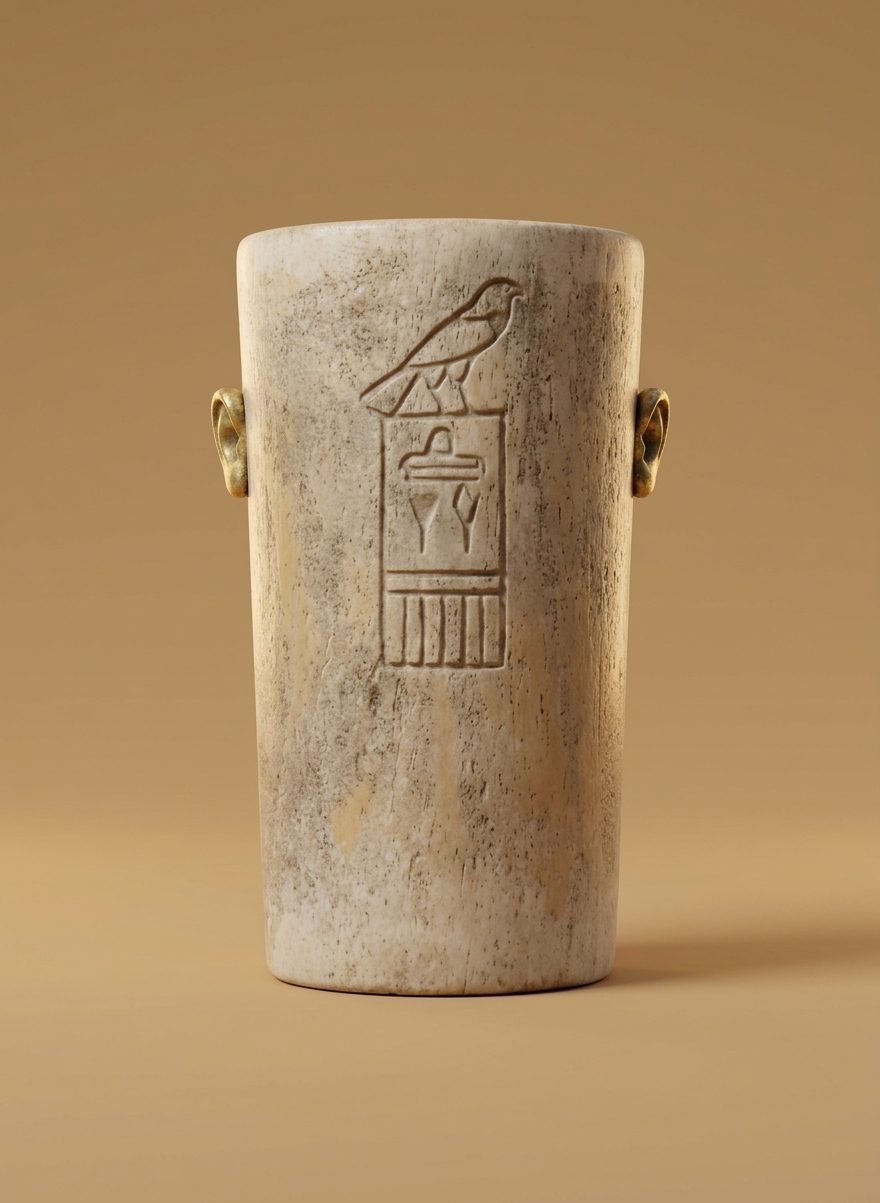
According to Manetho, Qa'a reigned for about 26 years. Inscriptions on several stone vessels, however, mention a second Sed festival, which points to a reign of more than 30 years, since the first festival was not usually held before the thirtieth year of rule. The Sed festival was a ritual that renewed the pharaoh's divine power and authority. The archaeological evidence therefore suggests that Manetho's figure is too low.
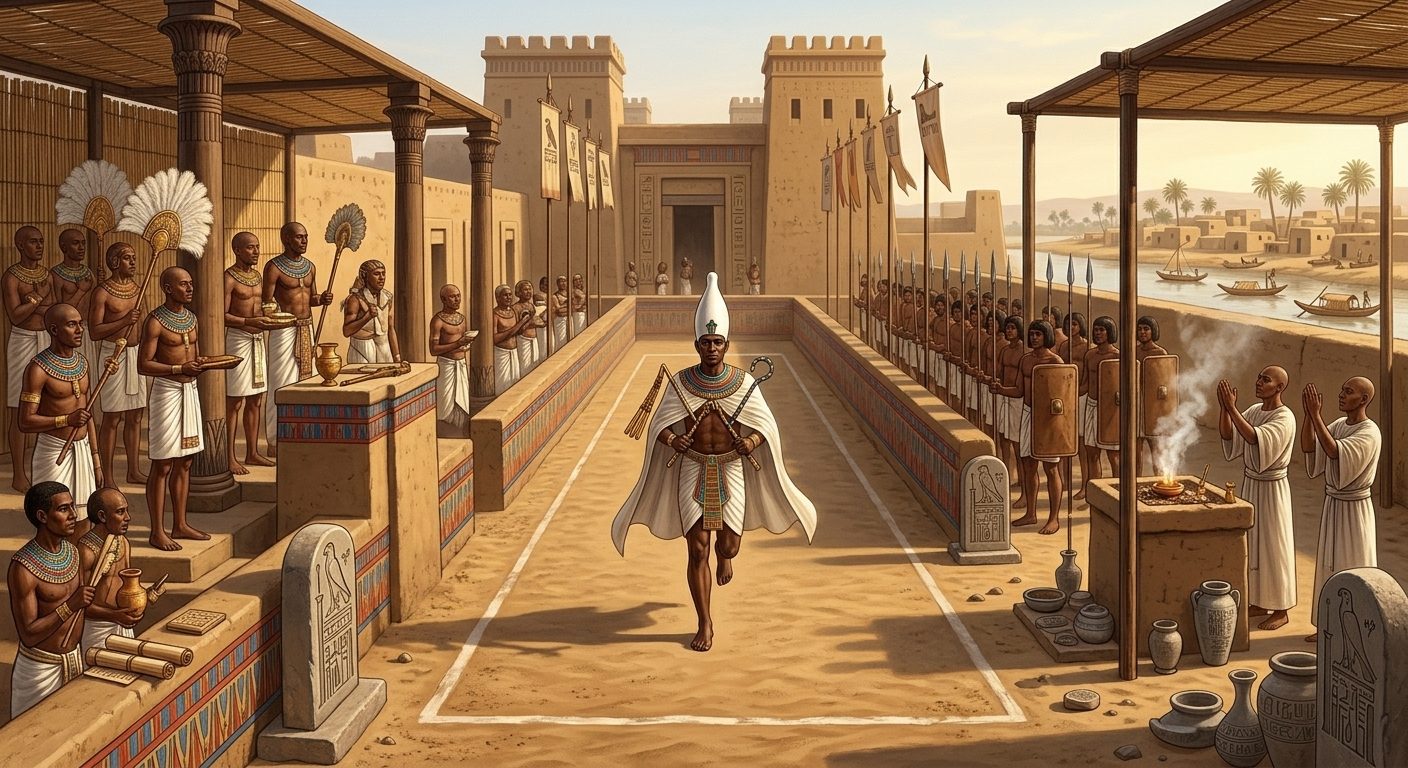
Administration
THEME TWO
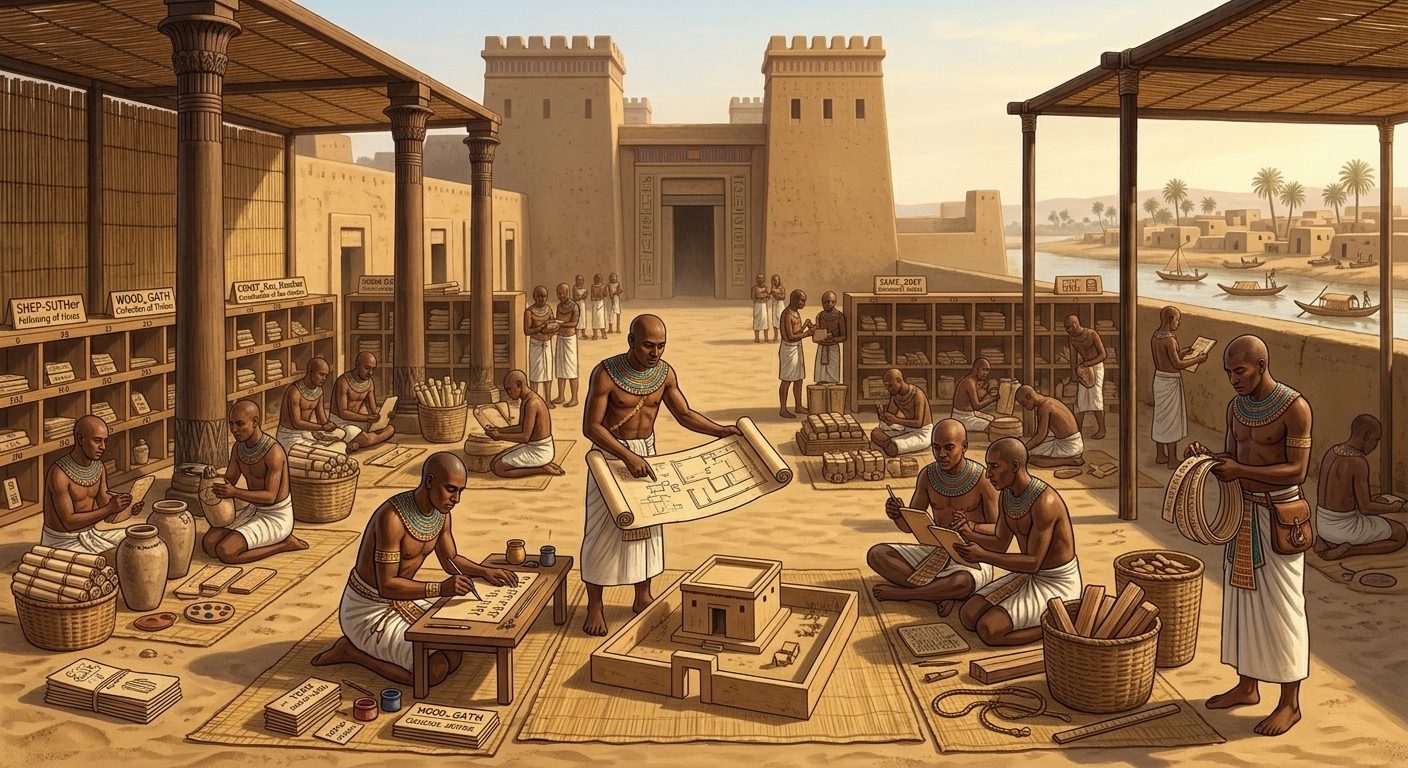
Administrative mechanisms continued to take shape and be refined during his reign. Year labels record various affairs, for example the royal procession Following of Horus, the collection of timber for workshops, and the construction of the cult building Kau-Netjeru for festivals. High officials served under Qa'a, among them Merka, Henuka, Neferef and Sabef.
Religious practice
THEME THREE
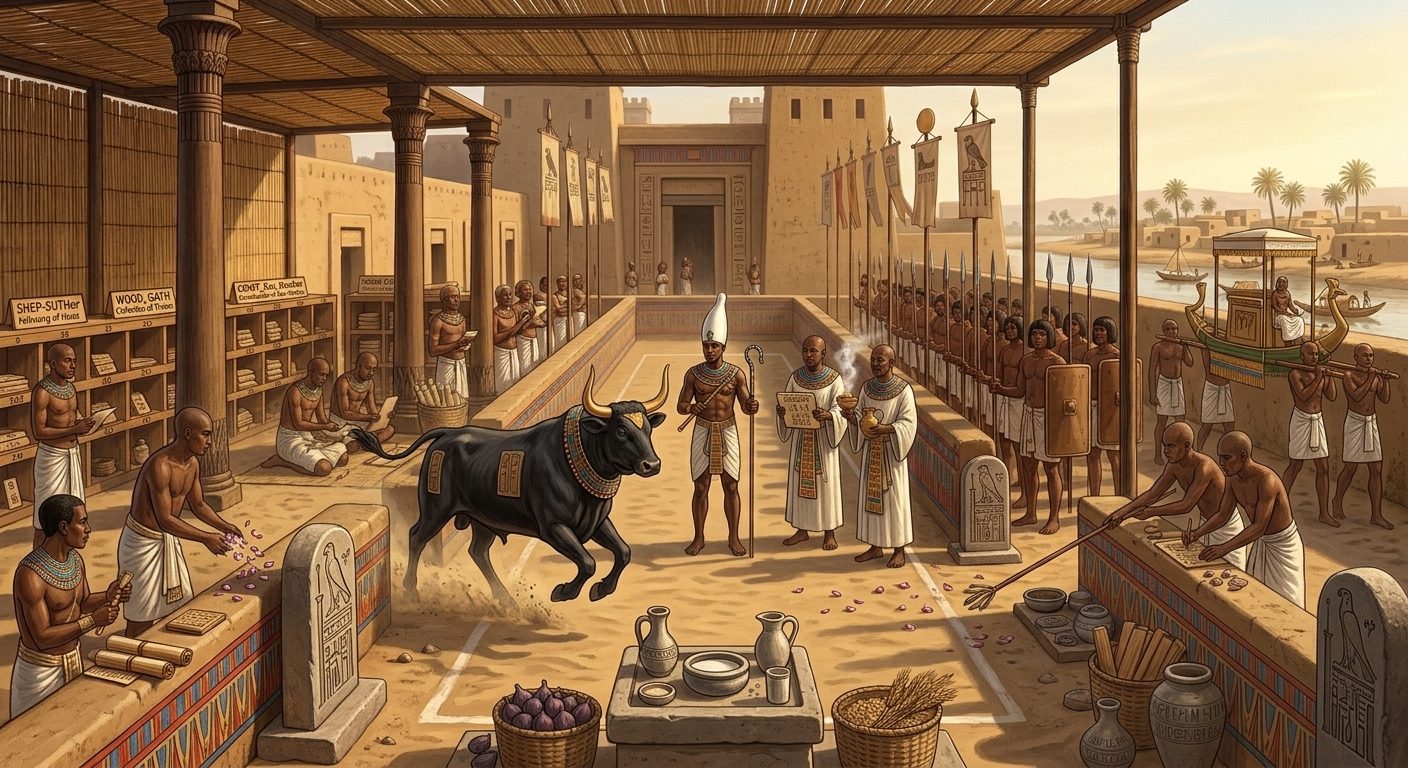
Several cult events are recorded during his reign. There is evidence of rituals linked to the running of the Apis bull and the Sokar festival. Some less clearly understood ceremonies involve the divine or royal barque. Qa'a also strengthened the cult of Horus, the god closely tied to royal power.
Tomb Q at Abydos
THEME FOUR
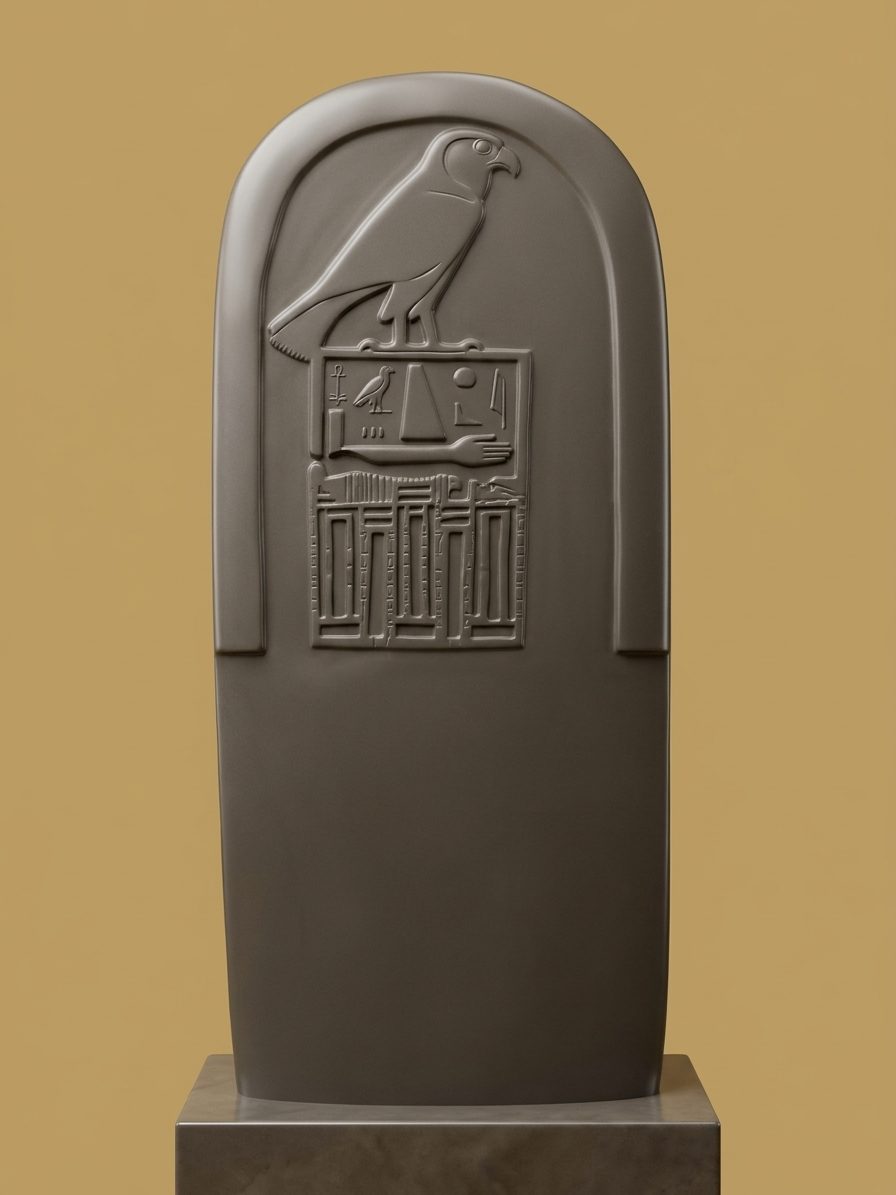
Qa'a built a large mastaba for himself in the Umm el-Qa'ab necropolis, known as Tomb Q, one of the most significant royal tombs of the First Dynasty (about 30 × 23 m). It has an interesting engineering feature, a false vault. By the time of the pharaoh's death only the central burial chamber was finished. The side rooms were completed in haste from unbaked mudbrick, and their walls later subsided and collapsed. The burial was nevertheless rich, and stone vessels and gold were found in it. A stela of the official Sabef was discovered nearby, showing that he was responsible for the upkeep of the tomb. The tomb also held the remains of 26 companions of the pharaoh who were sacrificed, one of the last known cases of human sacrifice in royal burials of the period.
Royal names
THEME FIVE
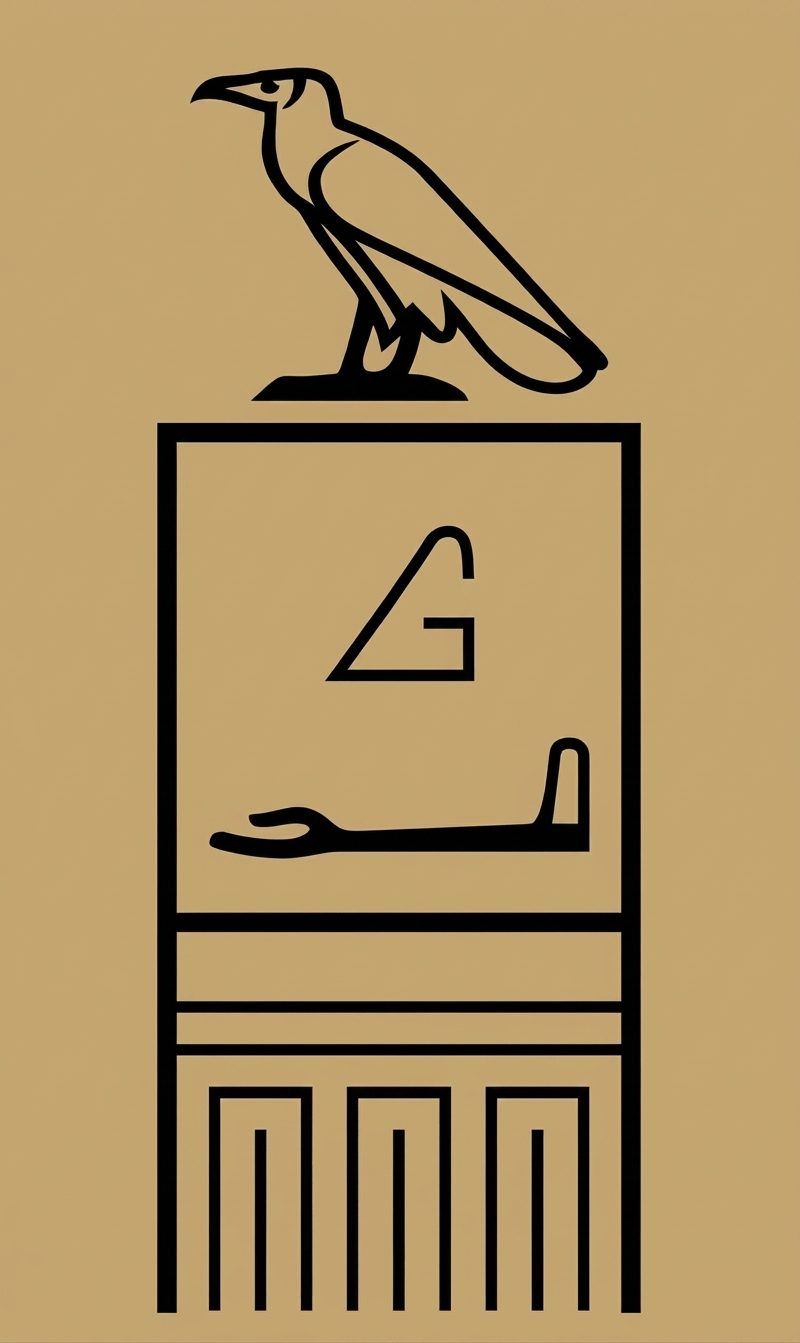
The titulary of Qa'a is well documented. His Horus name was Qa'a, "Raised arm of Horus", his Nebty name was Sen, "The one whom the Two Ladies have kissed", and his nswt-bity name was again Qa'a. Some sources also record other forms, such as Sehetep. Names of this kind later became a standard part of the pharaoh's titulary.
Transition of power
THEME SIX
After Qa'a's death there was no complete break with the past, although some scholars see a dynastic struggle. His successor, most likely Hotepsekhemwy, the founder of the Second Dynasty, ended it. According to one version, he strengthened his position by marrying a princess from the old royal line of the First Dynasty. Seal impressions of Hotepsekhemwy were found in Qa'a's tomb, which suggests that the new pharaoh restored the tomb or buried Qa'a himself, perhaps to legitimise his rule.
Summary
THEME SEVEN
The reign of Qa'a is often regarded as the culmination of the achievements of the First Dynasty. It closed the era while laying the foundations for the further development of the Egyptian state.
Key dates
- c. 2800 - 2770 BCEQa'a reigns, according to E. Hornung (2006).
- About 26 yearsLength of reign according to Manetho, probably too low.
- Second Sed festivalRecorded on stone vessel inscriptions, it points to more than 30 years of rule.