Home · Ancient History · Ancient Egypt · Early Dynastic Period
Sekhemib
Sekhemib-Perenmaat followed Peribsen around 2650 BCE in the chronology of E. Hornung (2006), which does not give the end of his reign. He is known only from seals and stone vessels of his own time, and the later king lists do not name him. He was the first pharaoh to extend his Horus name with an epithet, and his seals at the entrance of Peribsen's tomb suggest that he buried his predecessor, unless the two names belong to one man.
- Reign
- From c. 2650 BCE (E. Hornung, 2006), length unknown
- Dynasty
- 2nd
- Predecessor
- Peribsen (probably)
- Successor
- Uncertain: Senedj in the chronology used on this site, or Khasekhemwy
- Royal names
- Horus name Sekhemib, "powerful of heart", extended to Sekhemib-Perenmaat with an epithet that refers to Maat. Nebty name Sekhemib-Perenmaat
- Manetho
- Not identified
- Burial
- Unknown
- Main sources
- Seal impressions from Abydos and Elephantine, inscribed vessels of alabaster and breccia from the galleries beneath the Step Pyramid of Djoser
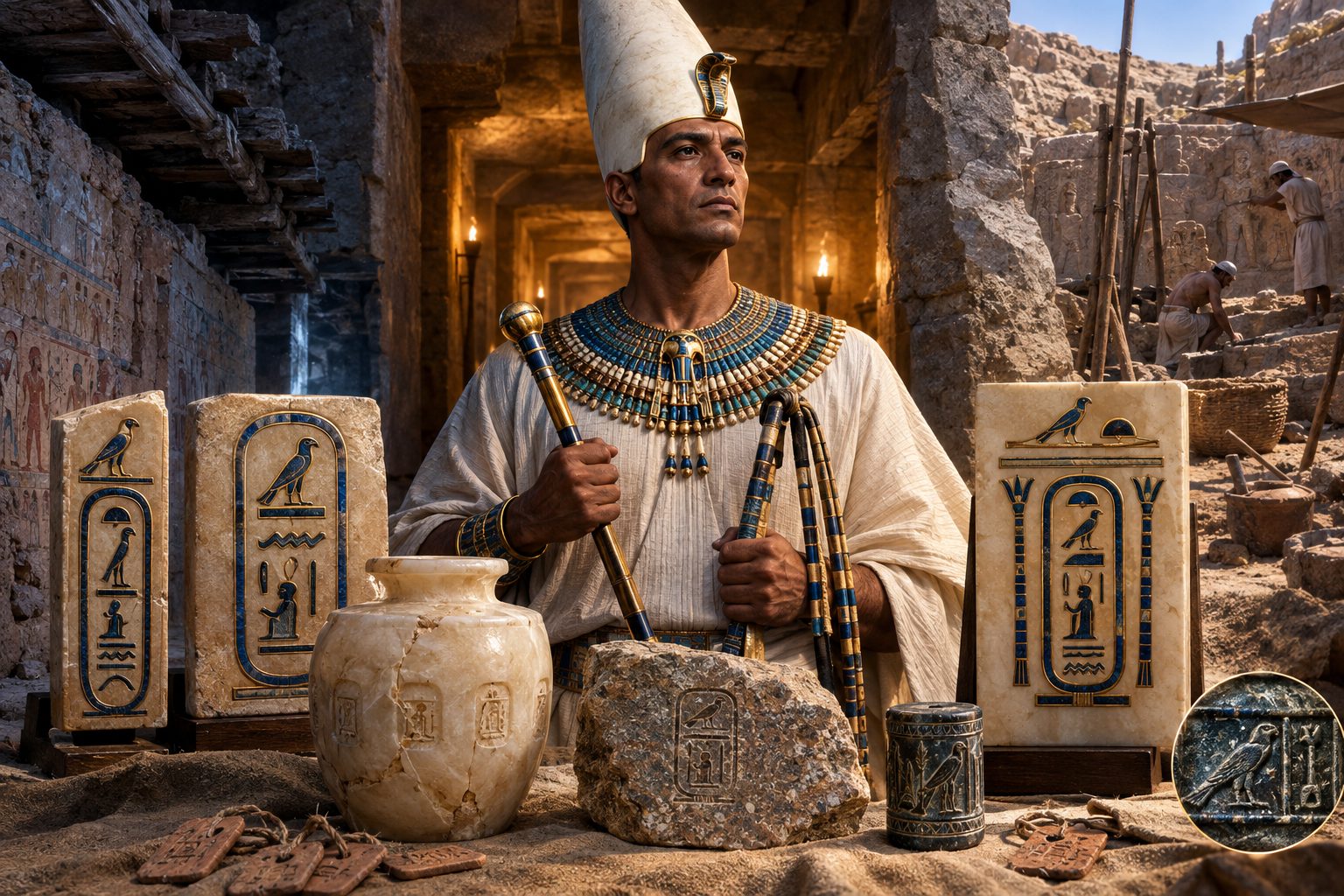
A name with an epithet
THEME ONE
His Horus name, Sekhemib, means roughly "powerful of heart" or "strong of will". Sekhemib was the first pharaoh to add an epithet to the name inside the serekh: Perenmaat, a word formed with Maat, the goddess and principle of truth, justice and world order. He used the short name and the extended name at the same time. Wolfgang Helck and Herman te Velde think that the extended name arose when Egypt was split and was meant to stress peace and order.
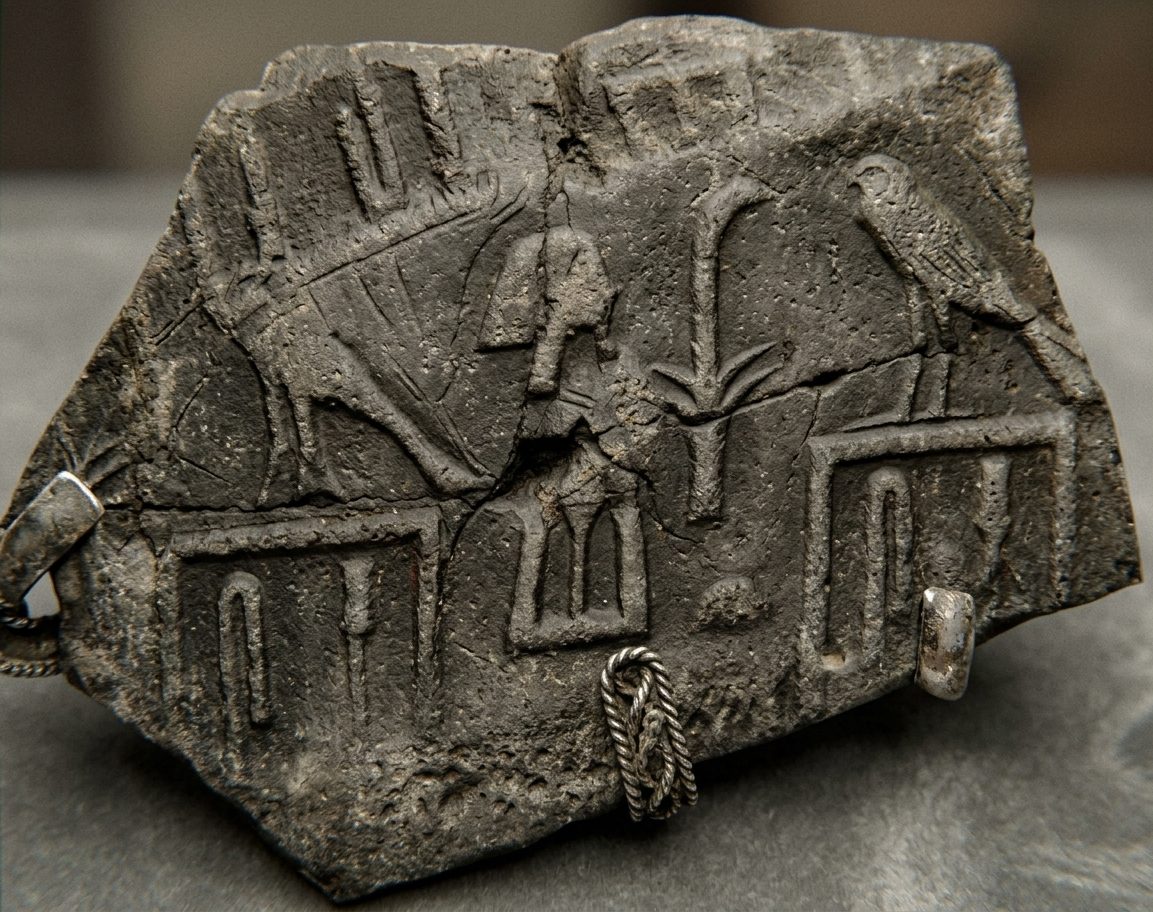
Known only from his own time
THEME TWO
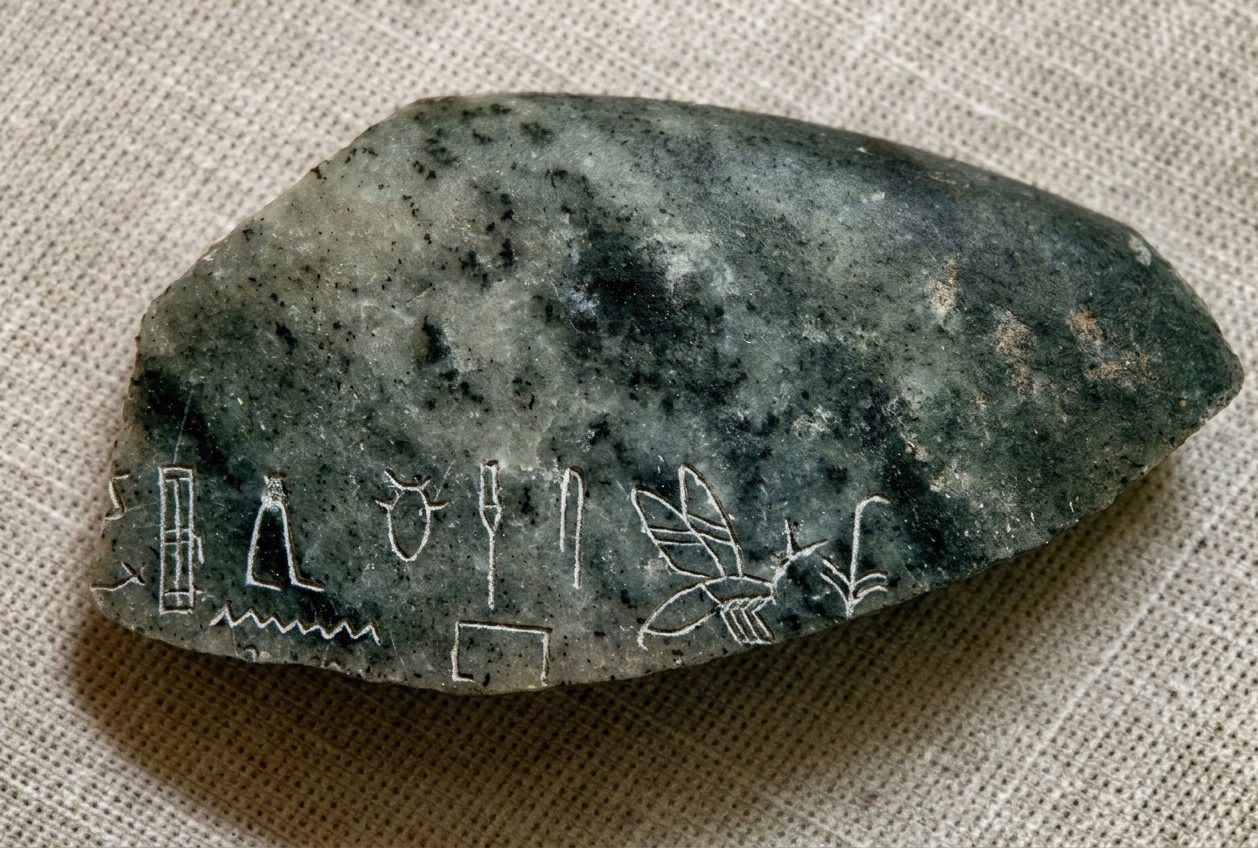
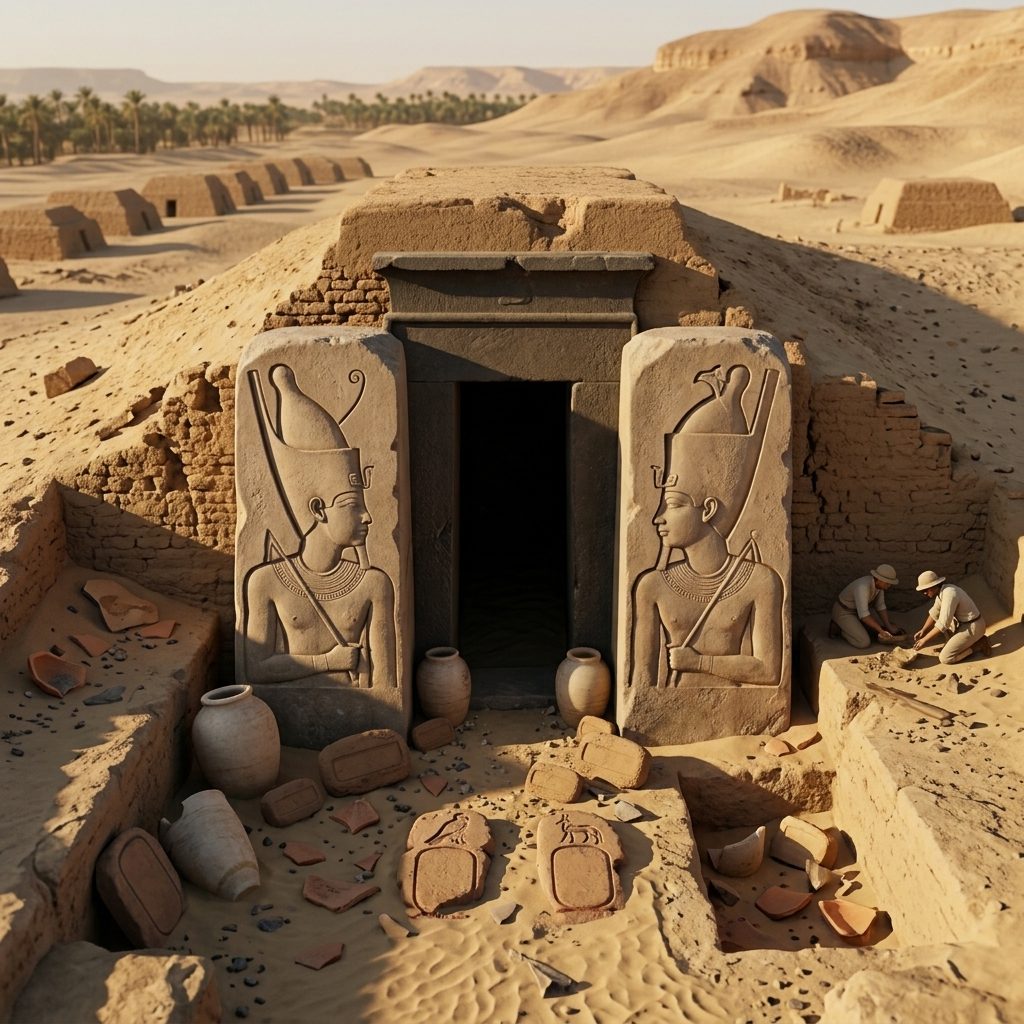
No later document mentions Sekhemib. His name is known from clay seal impressions found at the entrance of Peribsen's tomb at Abydos and at Elephantine, and from inscriptions on vessels of alabaster and breccia. Many of these vessels were found in the underground galleries beneath the Step Pyramid of Djoser at Saqqara, where vessels of earlier pharaohs had been stored, probably to preserve them. Their inscriptions speak of the "tribute of the desert nomads".
Successor or the same man?
THEME THREE
Walter Bryan Emery, Kathryn Bard and, before them, Flinders Petrie suggested that Sekhemib and Peribsen were one and the same pharaoh who used two different names. Hermann Schlögl, Wolfgang Helck, Peter Kaplony and Jochem Kahl disagree. Sekhemib's seals were found only at the entrance of Peribsen's tomb, and no inscription names the two together. In the same way, Hotepsekhemwy's seals at the tomb of Qa'a show only that the new pharaoh buried his predecessor. Toby Wilkinson and Helck note that the two names share similar syllables and that their vessel inscriptions are alike in style, so the two rulers were perhaps closely related.
Ruler of Upper Egypt
THEME FOUR
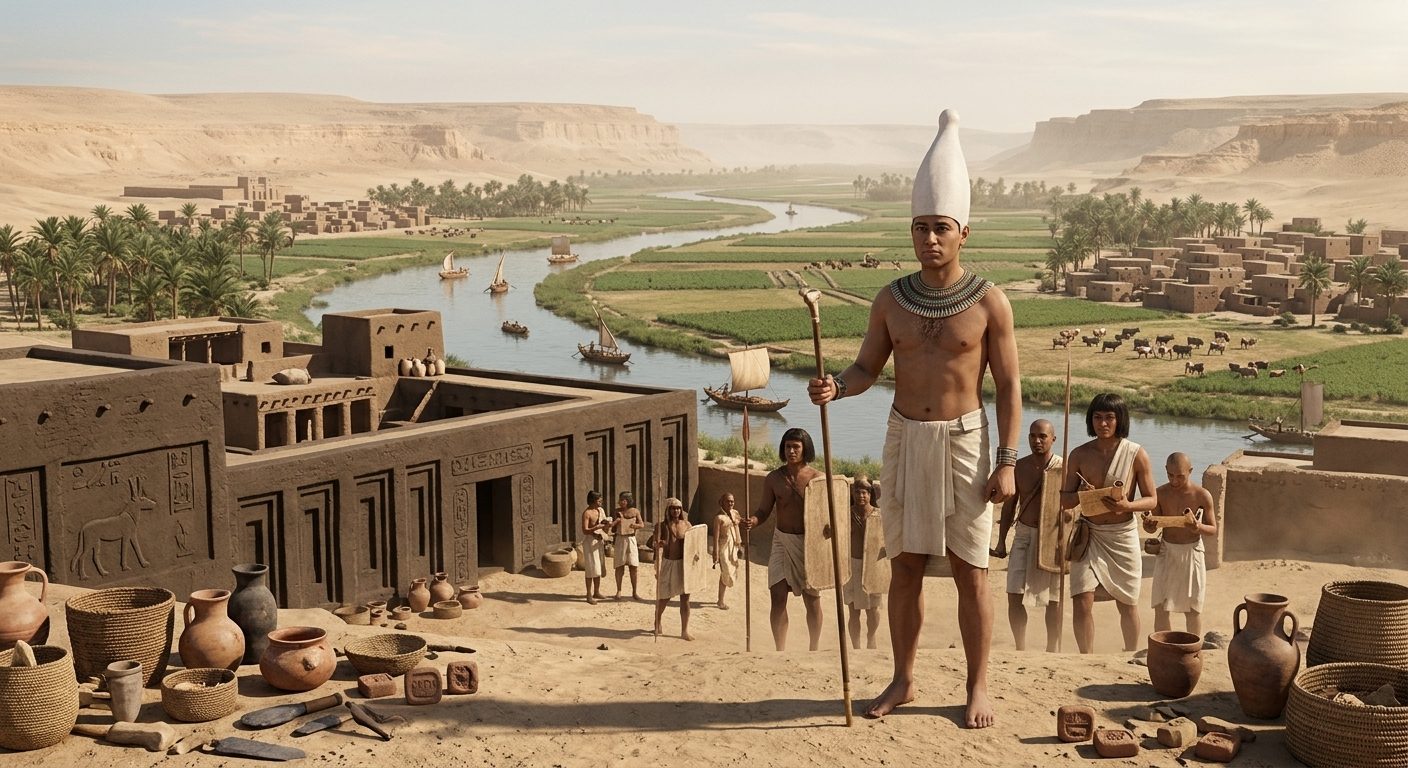
The finds show Sekhemib only in Upper Egypt, between Ombos and Elephantine, just like Peribsen. If the country was divided after Nynetjer, he ruled the southern half, while pharaohs known from the later lists, such as Senedj, may have ruled in the north. Helck identified Sekhemib with Wadjenes of the Ramesside lists, and Dietrich Wildung with Weneg, a ruler known from vessel inscriptions, but neither identification is generally accepted.
Officials and continuity
THEME FIVE
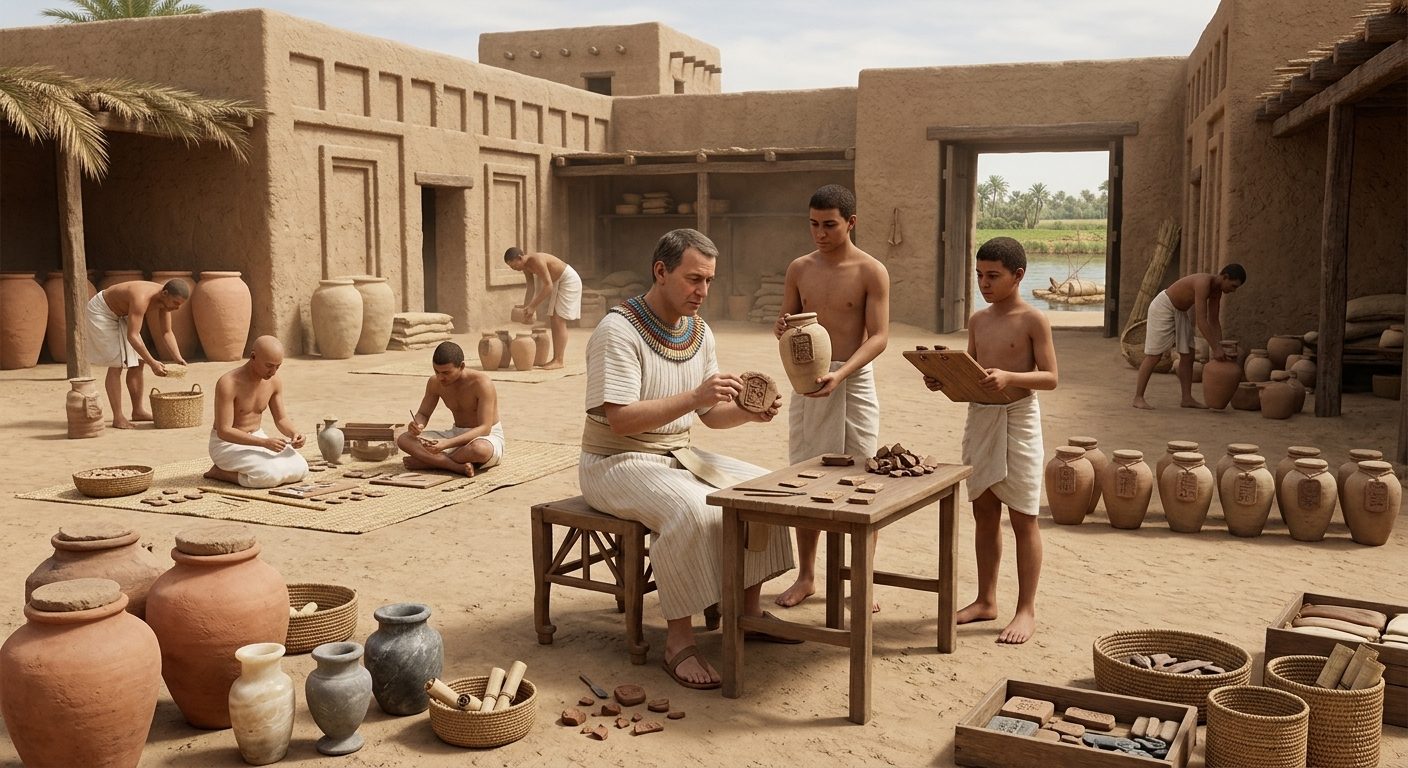
Seals name several of his officials, among them Nebhotep, Inykhnum and Maapermin. Inykhnum may have continued to serve under Djoser and Sanakht in the Third Dynasty. Tombs of officials from the time between Nynetjer and Khasekhemwy, such as those of Ruaben and Nefer-Setekh, show no signs of civil war or economic collapse. Whatever the political situation, the administration went on working.
Where was he buried?
THEME SIX
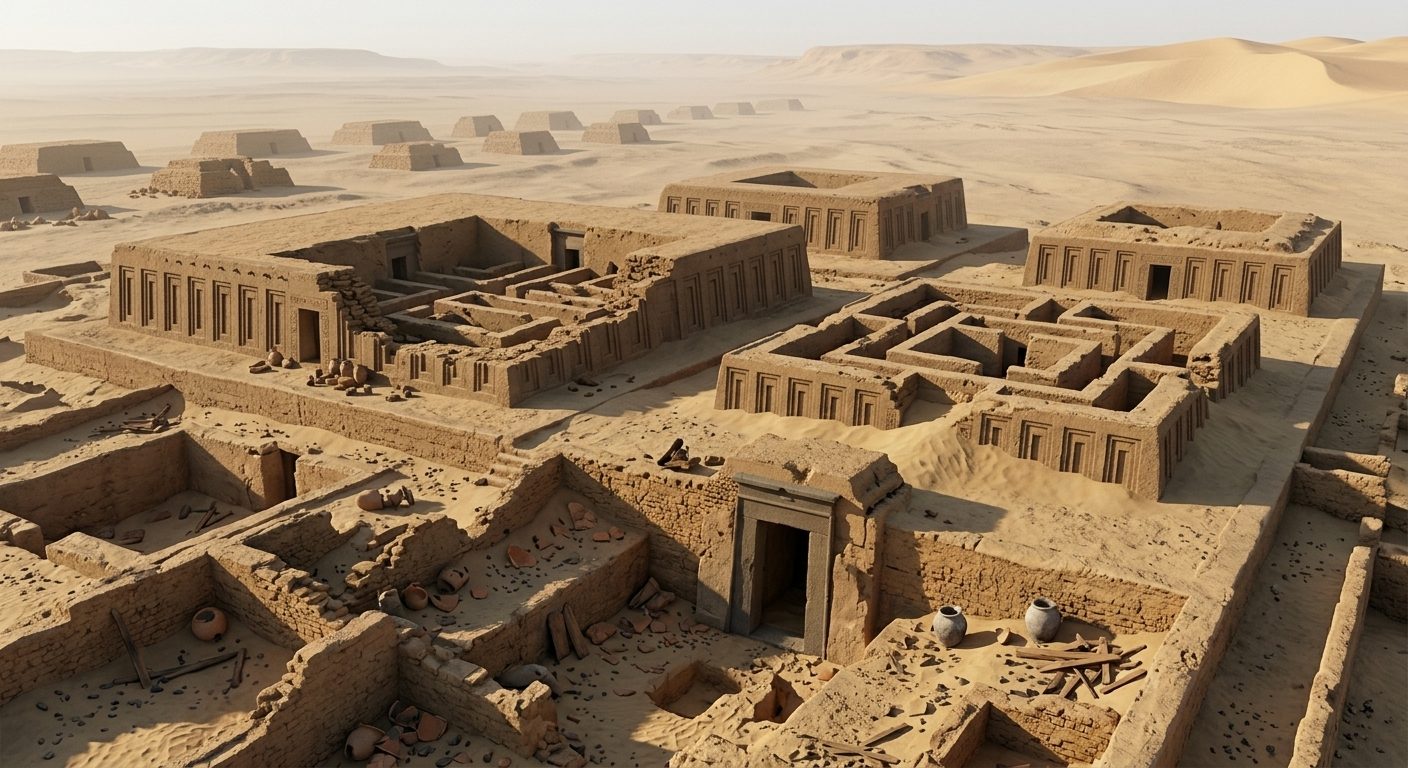
Sekhemib's tomb has not been identified. If he was the same person as Peribsen, he lies in Tomb P at Abydos. Otherwise his tomb may be at Saqqara, where the vessels with his name were found. It may also have been plundered so thoroughly in antiquity that it can no longer be recognised.
Summary
THEME SEVEN
Sekhemib is a good example of how much remains uncertain about the Second Dynasty. A pharaoh with a well-attested name, known officials and an epithet that speaks of Maat, he is nevertheless missing from all later king lists, and even his identity is still open. The name he chose points to the same concern as Hotepsekhemwy's "the two powers are at peace": order and reconciliation in a troubled time.
Key dates
- c. 2650 BCESekhemib becomes pharaoh, according to E. Hornung (2006).
- Start of his reignSeals with his name are left at the entrance of Peribsen's Tomb P at Abydos.
- Third DynastyVessels with his name are stored in the galleries of Djoser's Step Pyramid.