
Home · Ancient History · Ancient Egypt · Early Dynastic Period
Peribsen
Seth-Peribsen reigned from 2660 to 2650 BCE in the chronology of E. Hornung (2006). He is the only pharaoh who placed the animal of the god Seth, instead of the falcon of Horus, above his name. His monuments are found almost only in Upper Egypt, and he returned to the old royal cemetery of Abydos for his burial. The later king lists leave him out, but his seals preserve what is regarded as the oldest complete sentence written in Egyptian.
- Reign
- 2660 – 2650 BCE (E. Hornung, 2006), length unknown, perhaps 10 to 12 years
- Dynasty
- 2nd
- Predecessor
- Uncertain, Nynetjer in the chronology used on this site
- Successor
- Sekhemib (probably), or Khasekhemwy
- Royal names
- Seth name Peribsen, "he who comes forth by their will", Nebty name Peribsen. Missing from the later king lists, where he may appear as Senedj or Wadjenes
- Manetho
- Not identified with certainty
- Burial
- Tomb P, Umm el-Qa'ab, Abydos
- Main sources
- Seal impressions, stone vessels, two granite stelae from his tomb, the false door of the priest Shery
Under the sign of Seth
THEME ONE
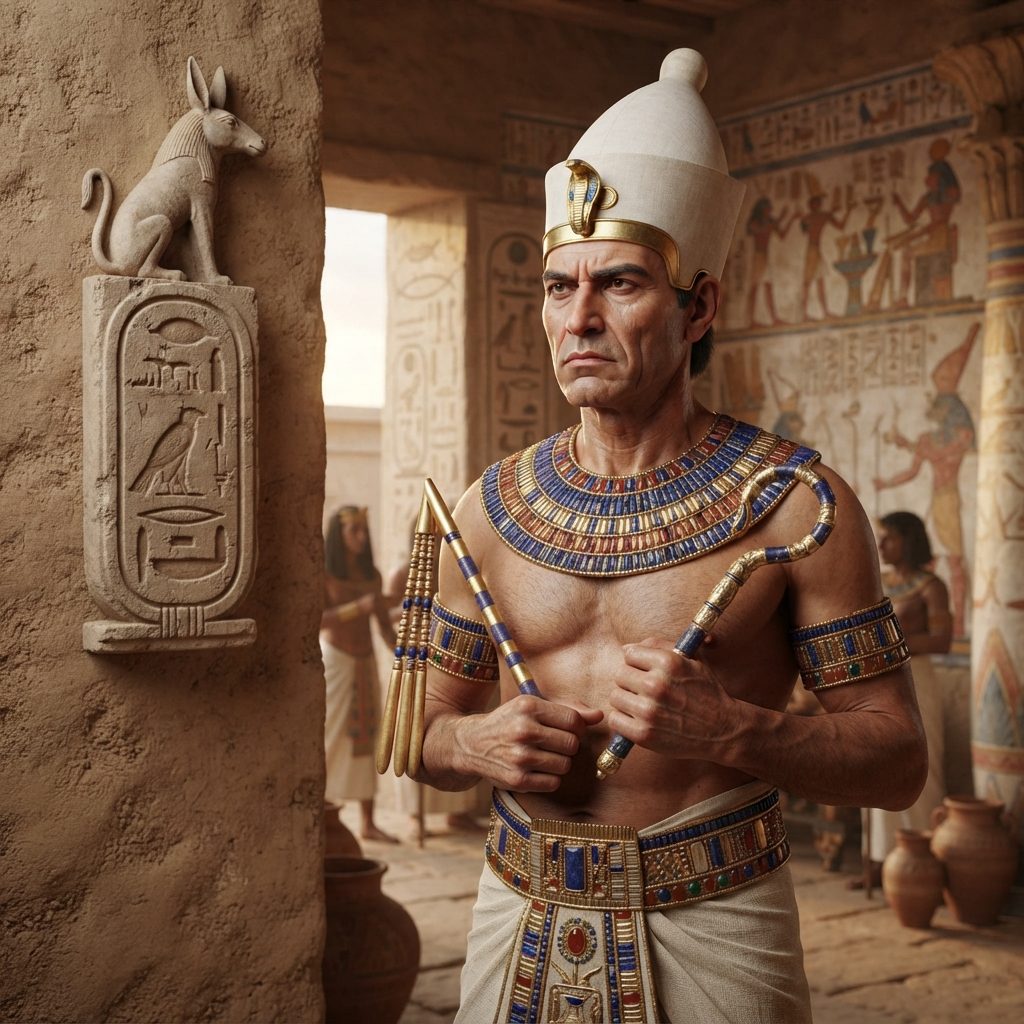
Since the beginning of Egyptian kingship the pharaoh's name had been written in a serekh crowned by the falcon of Horus. Peribsen replaced the falcon with the animal of Seth, the god of the desert, storms and disorder, who was also a protector of the ruler and was worshipped at Ombos near Naqada. No other pharaoh did this. His name is translated "he who comes forth by their will", perhaps the will of the gods. Earlier scholars saw him as a religious rebel who tried to replace Horus with Seth and compared him with Akhenaten. This view is now widely doubted: his seals also name Horus, Nekhbet, Min, Bastet and other gods, and on some of them a sun disc appears above the Seth animal.
The oldest complete sentence
THEME TWO
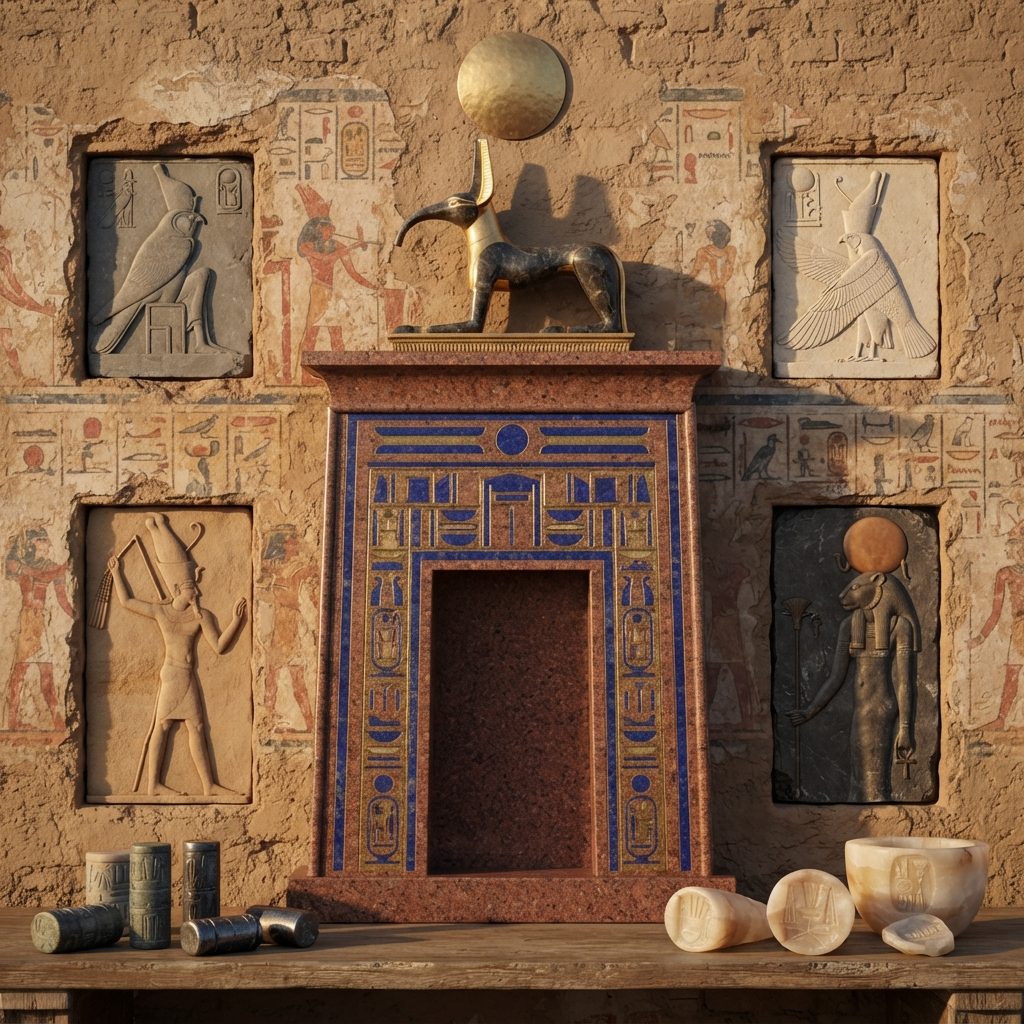
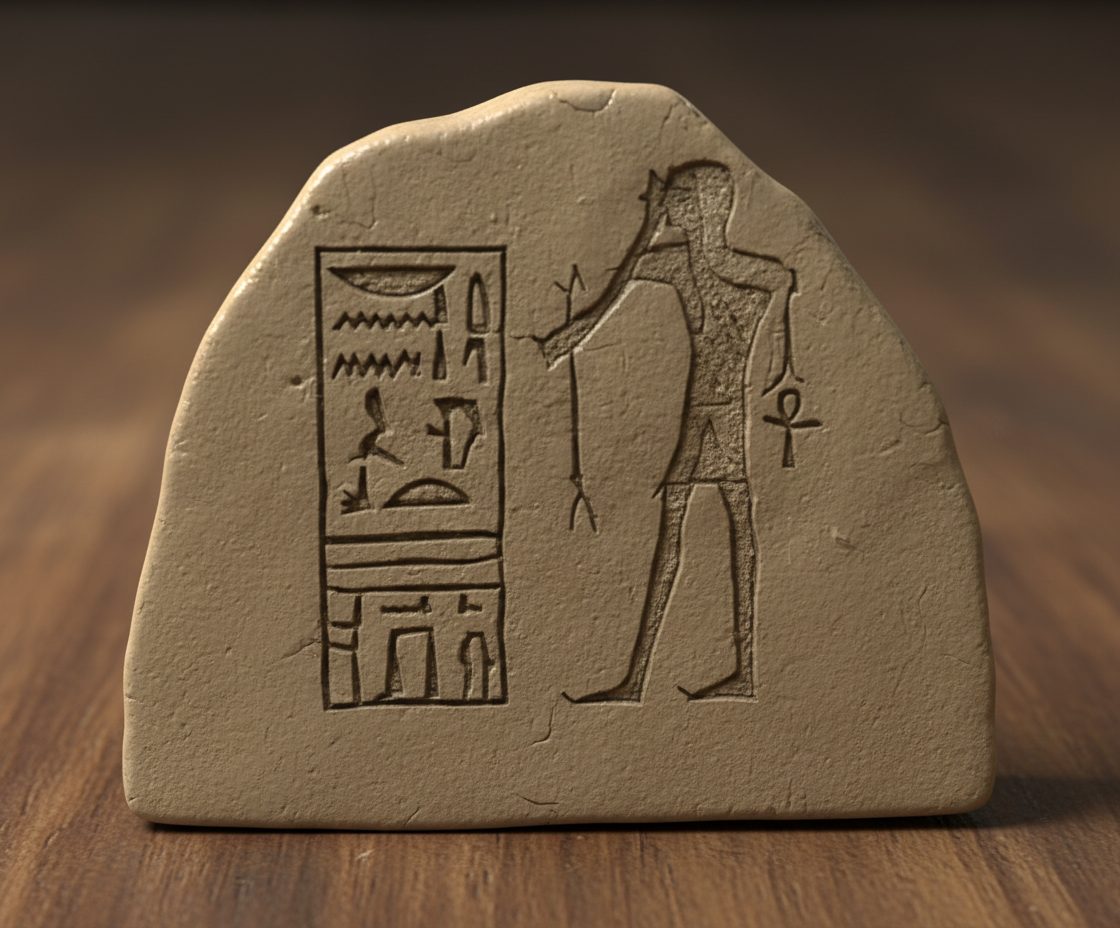
Seal impressions from his tomb at Abydos carry an inscription that Egyptologists regard as the oldest complete sentence written in Egyptian: "He of Ombos has united the Two Lands for his son, the King of Upper and Lower Egypt Peribsen". "He of Ombos" is a name of Seth. Until then, inscriptions had consisted mostly of names, titles and short notes, and this seal shows writing beginning to express whole statements.
A divided country?
THEME THREE
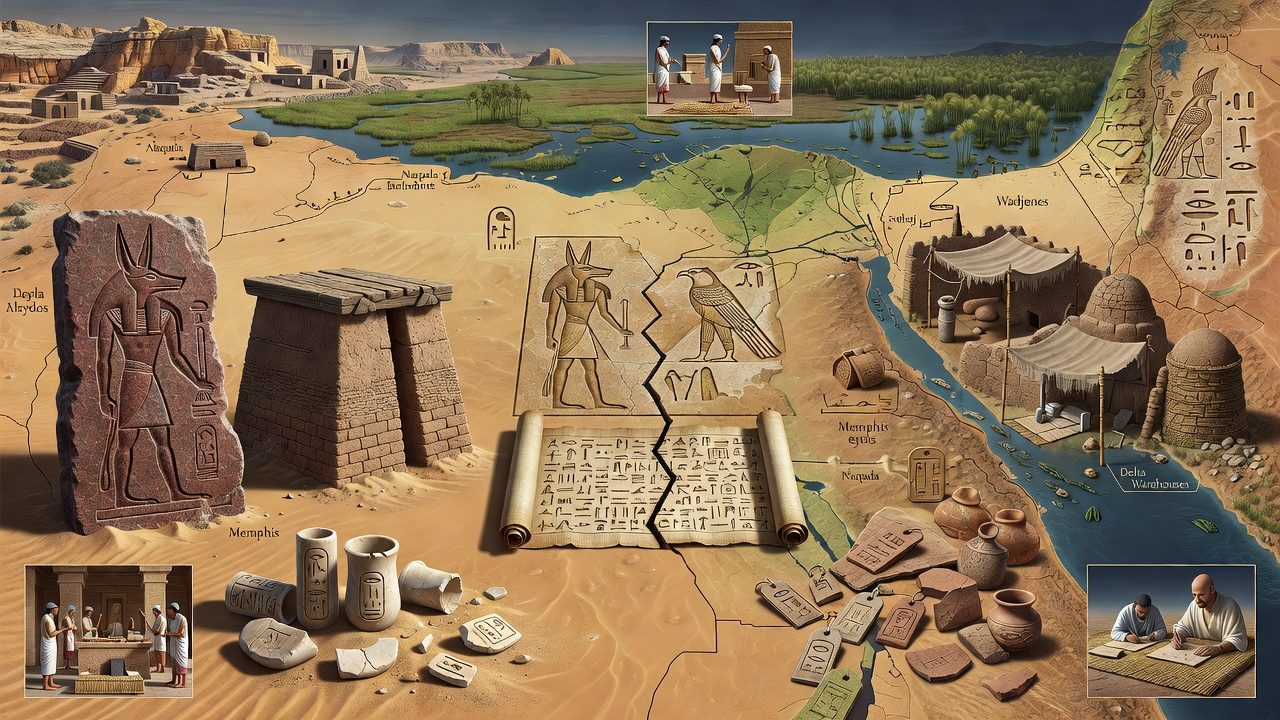
Peribsen's name is found almost only in Upper Egypt, at Abydos, Naqada and Elephantine. Meanwhile the later king lists, which follow the Memphite tradition, name other rulers after Nynetjer, such as Wadjenes and Senedj. Many Egyptologists, among them Wolfgang Helck and Nicolas Grimal, believe that Nynetjer divided the country between two successors, perhaps because its administration had become too complex, and that Peribsen ruled the south. Barbara Bell suggested that a famine caused by low Nile floods led to the division, but Stephan Seidlmayer showed that the flood records do not support this. Other scholars, including Toby Wilkinson, see no division at all, only a reorganisation of the administration or a rivalry between priesthoods.
Administration
THEME FOUR
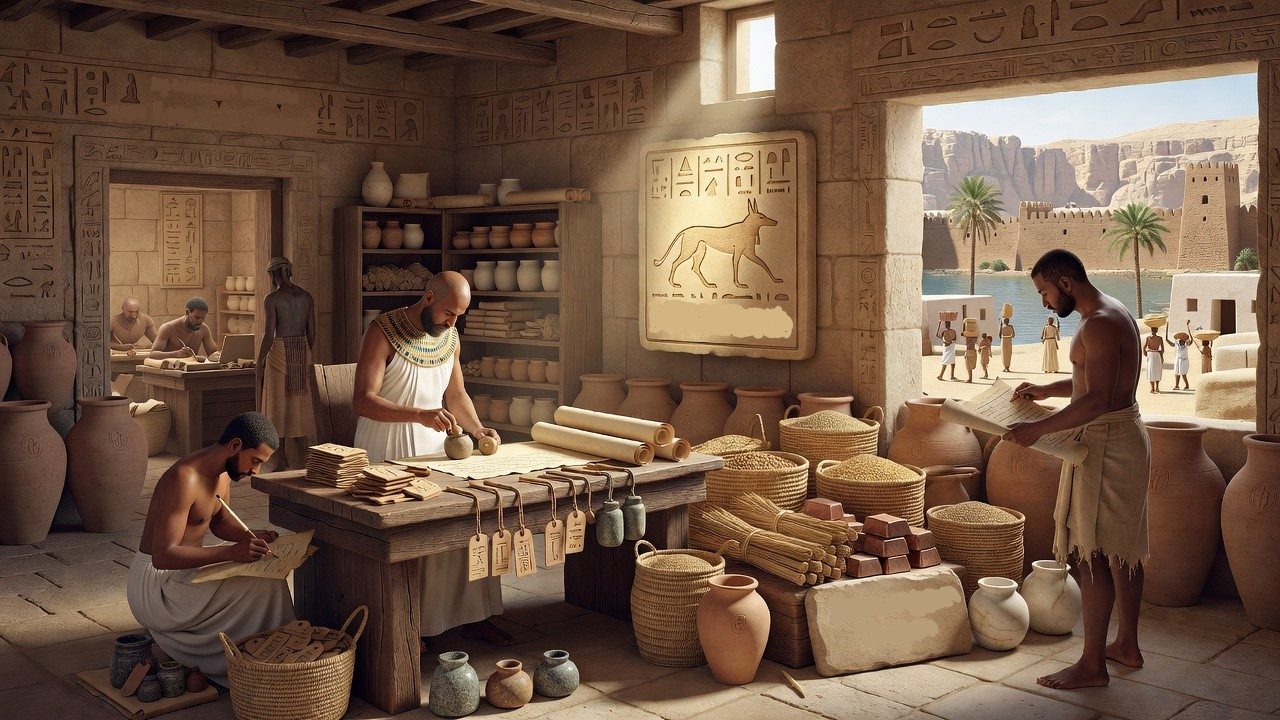
Peribsen founded a royal residence called "Protection of Nubt" near Ombos and an administrative centre known as the "White House of the treasury". Some official titles were changed: the "sealer of the king" became the "sealer of the king of Upper Egypt", perhaps to limit the power of officials. Inscriptions on his stone vessels speak of "tribute of the people of Sethroë", possibly a centre of Seth worship in the Delta. A stela of Nefer-Setekh, a priest in his service whose name contains the name of Seth, shows how popular the god was at that time.
Tomb P at Abydos
THEME FIVE
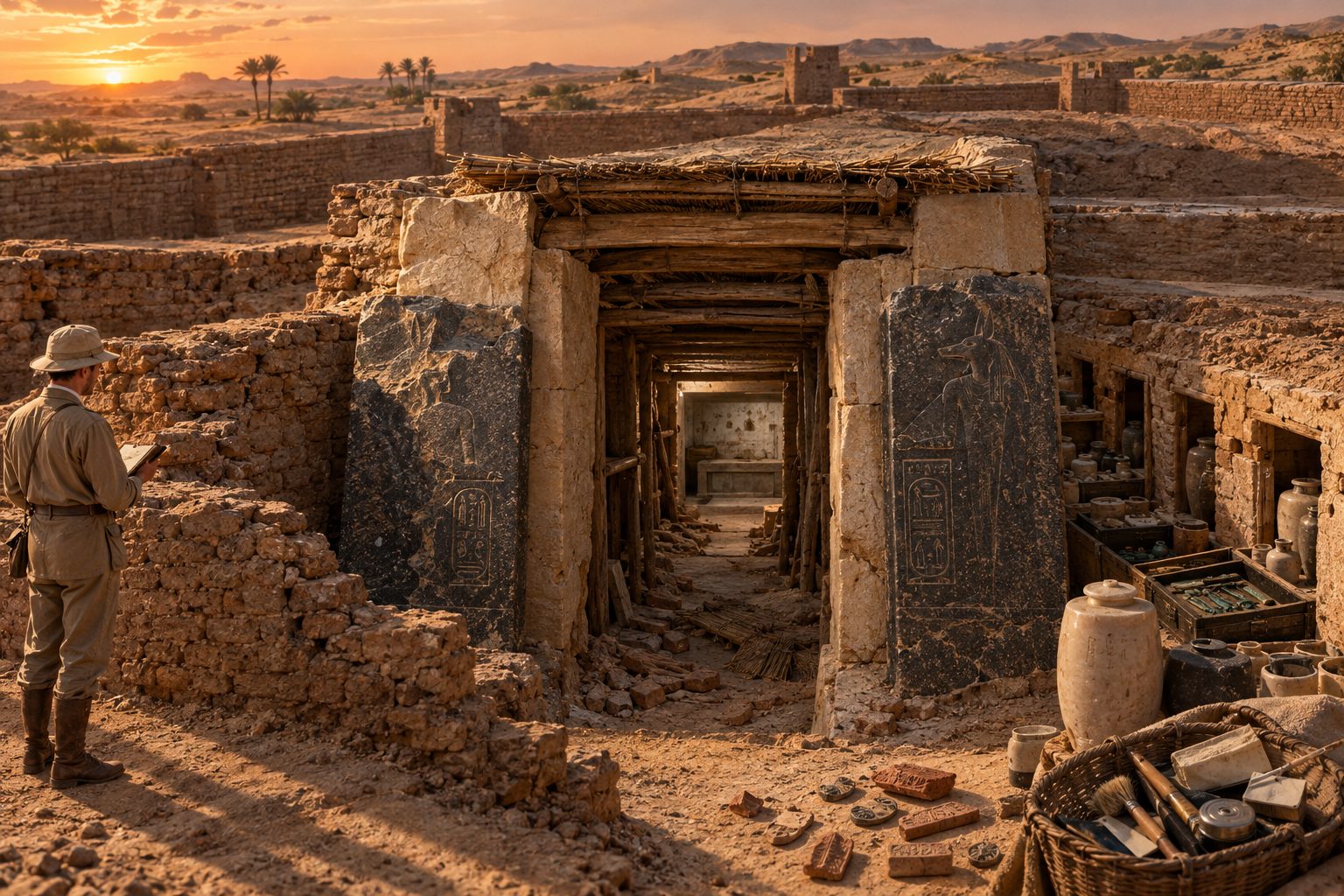
Unlike the first pharaohs of his dynasty, Peribsen was buried at Umm el-Qa'ab in Abydos, beside the tombs of the First Dynasty. Tomb P was excavated by Émile Amélineau in 1898, by Flinders Petrie in 1901 – 1902 and again by the German Archaeological Institute in 2001 and 2004. It measures about 16 × 13 metres: a burial chamber of mud brick, reeds and wood, about 7.3 × 2.9 metres, surrounded by nine storerooms. It was built in haste, collapsed several times and was restored at least twice in the Middle Kingdom. Despite ancient robbery, stone vessels, a set of copper tools and clay seals of Sekhemib were found. Two granite stelae with his name stood at the entrance, and the Seth animal on them was later hacked out. One of them is now in the British Museum. Nearby stands his funerary enclosure, about 108 × 55 metres, known as the "Middle Fort".
Memory of Peribsen
THEME SIX
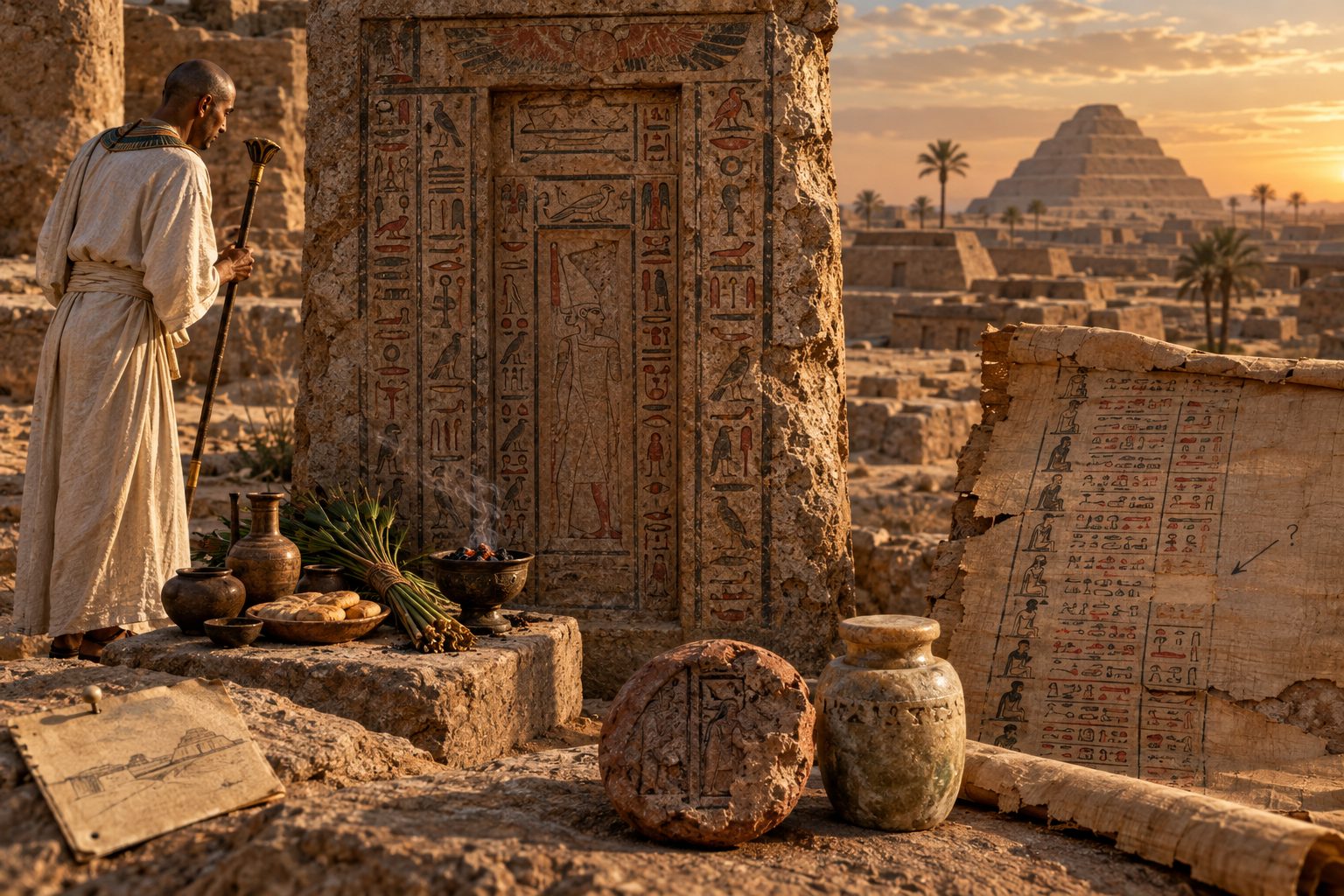
Peribsen's funerary cult lasted into the Fourth Dynasty. The false door of the priest Shery at Saqqara calls him overseer of the priests of Peribsen in the necropolis of Senedj, and Inkef, possibly a relative of Shery, held a similar title. Yet the king lists of the New Kingdom do not name him. Some scholars think that a ruler bearing the name of Seth was deliberately left out, or that he appears there under another name, such as Senedj or Wadjenes. The damage to the Seth animal on his stelae, probably done much later, points in the same direction.
Summary
THEME SEVEN
Peribsen remains one of the most puzzling pharaohs of early Egypt. Whether he was a rebel against the tradition of Horus, the ruler of one half of a divided country or simply a pharaoh who honoured Seth, his reign shows that the balance between Horus and Seth, the two powers of kingship, had become a political question. Khasekhemwy would later answer it by placing both gods above his name.
Key dates
- 2660 BCEPeribsen becomes pharaoh, according to E. Hornung (2006).
- 2650 BCEEnd of his reign. Seals of Sekhemib at the entrance of his tomb suggest that Sekhemib buried him.
- 1898Émile Amélineau begins the excavation of Tomb P at Abydos.