Home · Ancient History · Ancient Egypt · Early Dynastic Period
Nebra
Nebra, also read Raneb, was the second pharaoh of the Second Dynasty. In the chronology of E. Hornung (2006) his reign ended around 2700 BCE, while its beginning is not dated. He was the first pharaoh whose name contains the sign of the sun, and his reign has left the earliest known image of the goddess Bastet, the earliest royal name stela carved in granite and rock inscriptions with his name in southern Sinai.
- Reign
- Until c. 2700 BCE (E. Hornung, 2006), probably 10 or 14 years. Manetho gives 39
- Dynasty
- 2nd
- Predecessor
- Hotepsekhemwy
- Successor
- Nynetjer
- Royal names
- Horus name Nebra, "lord of the sun", or Raneb, "Ra is my lord", Nebty name Nebra. Later king lists: Kakau
- Manetho
- Kaiechos, 39 years
- Burial
- Unknown, probably Saqqara
- Main sources
- Stone vessels, seal impressions from Saqqara, a granite stela in the Metropolitan Museum of Art, rock inscriptions in Sinai, Manetho
Lord of the sun
THEME ONE
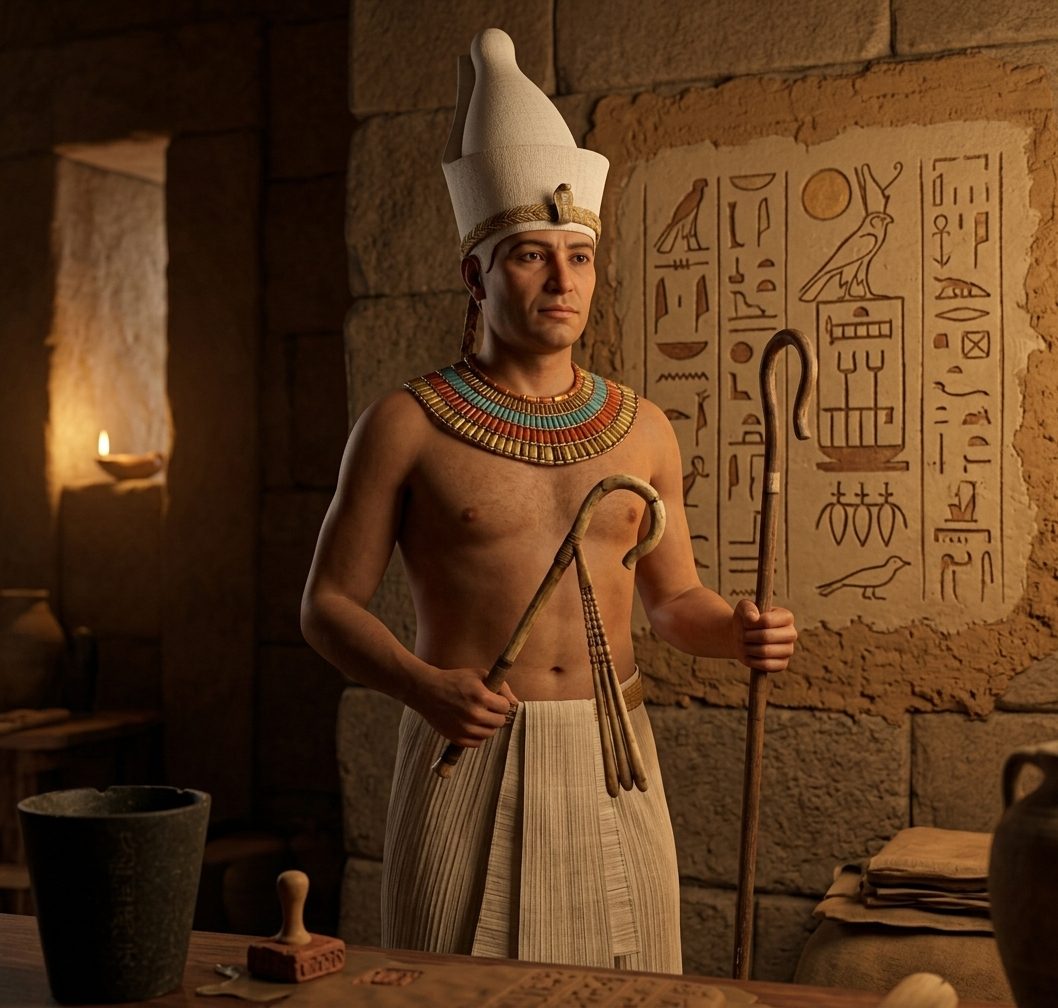
The name of Nebra is the first royal name to include the hieroglyph of the sun, Ra. It is traditionally read Raneb and translated "Ra is my lord". Many Egyptologists doubt this reading, because at that time the sun does not seem to have been worshipped yet as an independent god. They prefer Nebra, "lord of the sun", in the sense of Horus, the falcon god of kingship, ruling over the sun. The sun god Ra is attested in personal names from the beginning of the Third Dynasty, and the first pharaoh to make Ra part of his birth name was Radjedef in the Fourth. Some researchers see in Nebra's name an early step towards the later idea of the pharaoh as the son of the sun god.
Length of reign
THEME TWO
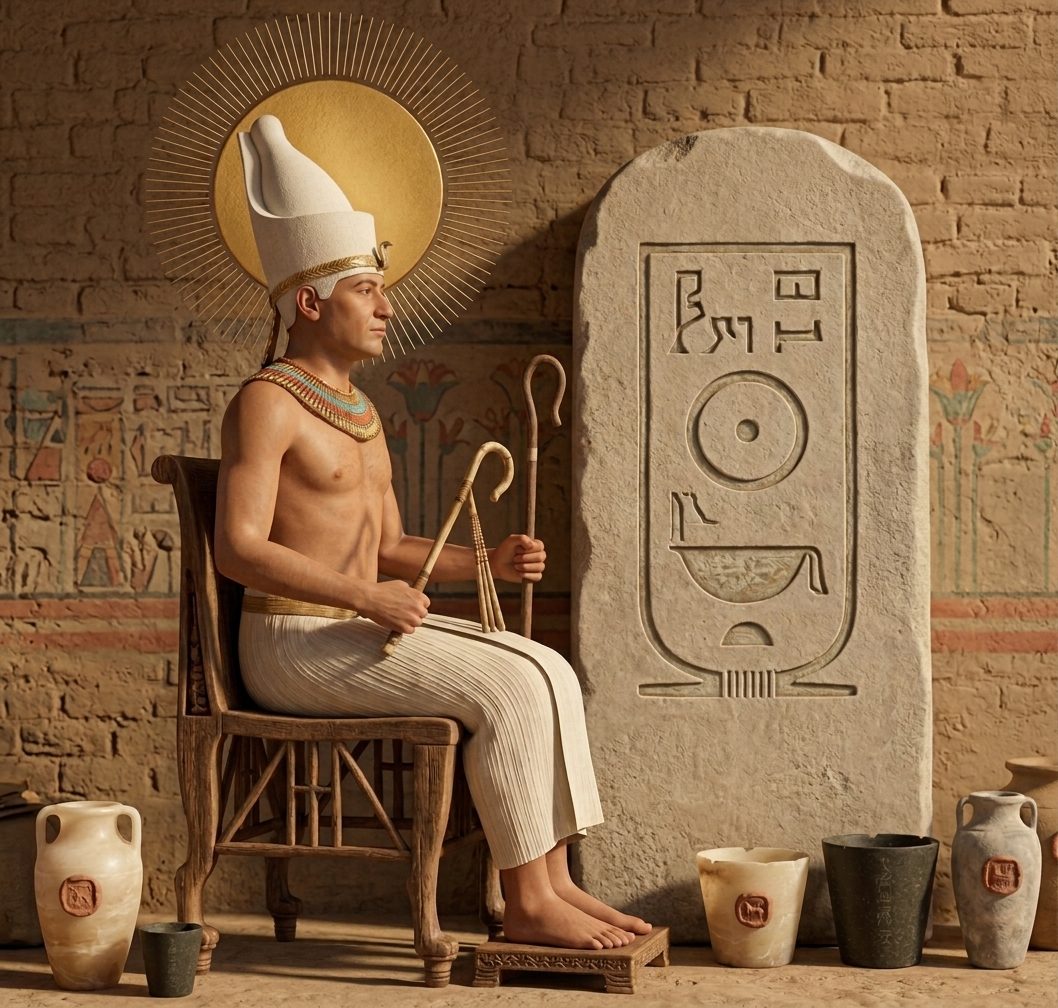
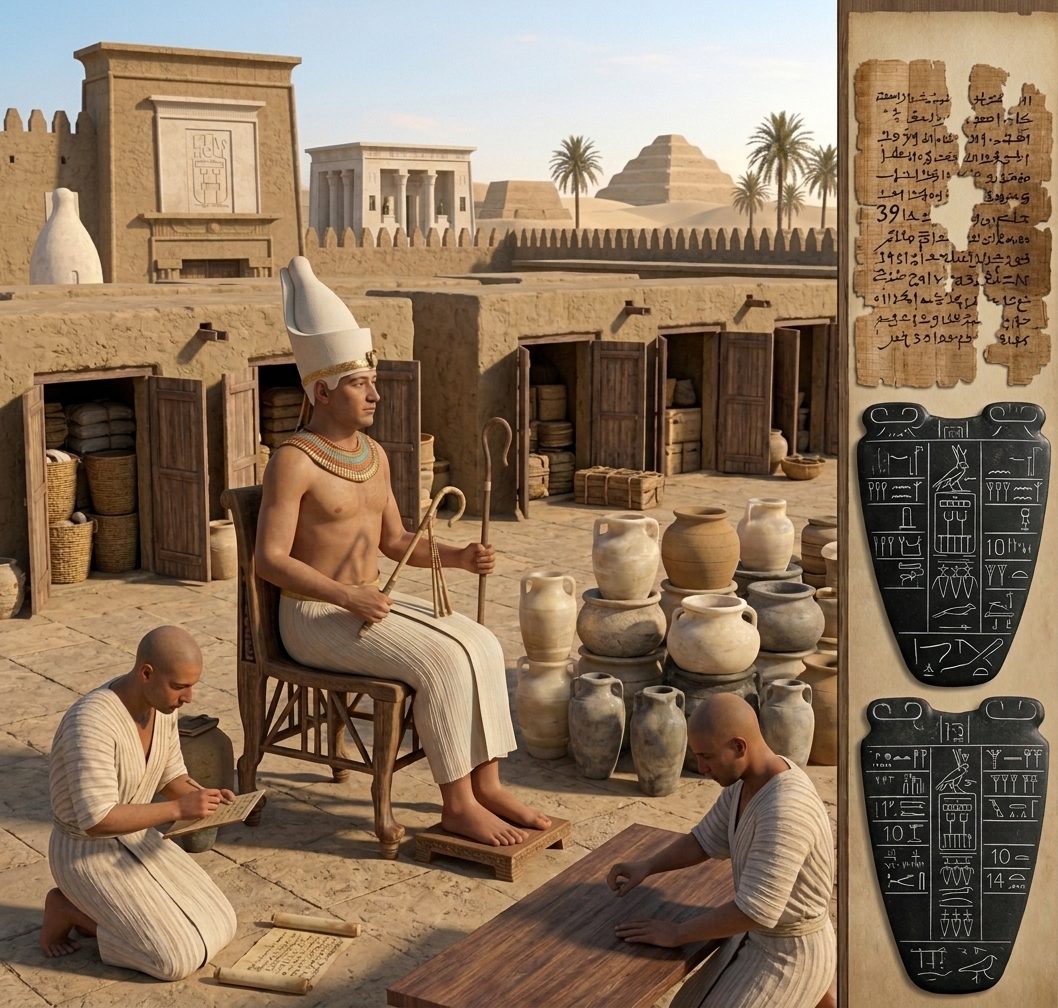
The Turin Canon is damaged at this point, so its figure for Nebra is lost. Manetho, who calls him Kaiechos, gives him 39 years, which Egyptologists regard as an error or an exaggeration. Reconstructions of the royal annals on the Palermo Stone suggest that Nebra and Hotepsekhemwy ruled for about 39 years together, and since far fewer records survive from Nebra, his share was the smaller one. Egyptologists therefore credit him with about 10 or 14 years. Absolute dates differ greatly between chronologies, from around 2850 to around 2700 BCE.
Gods and cults
THEME THREE
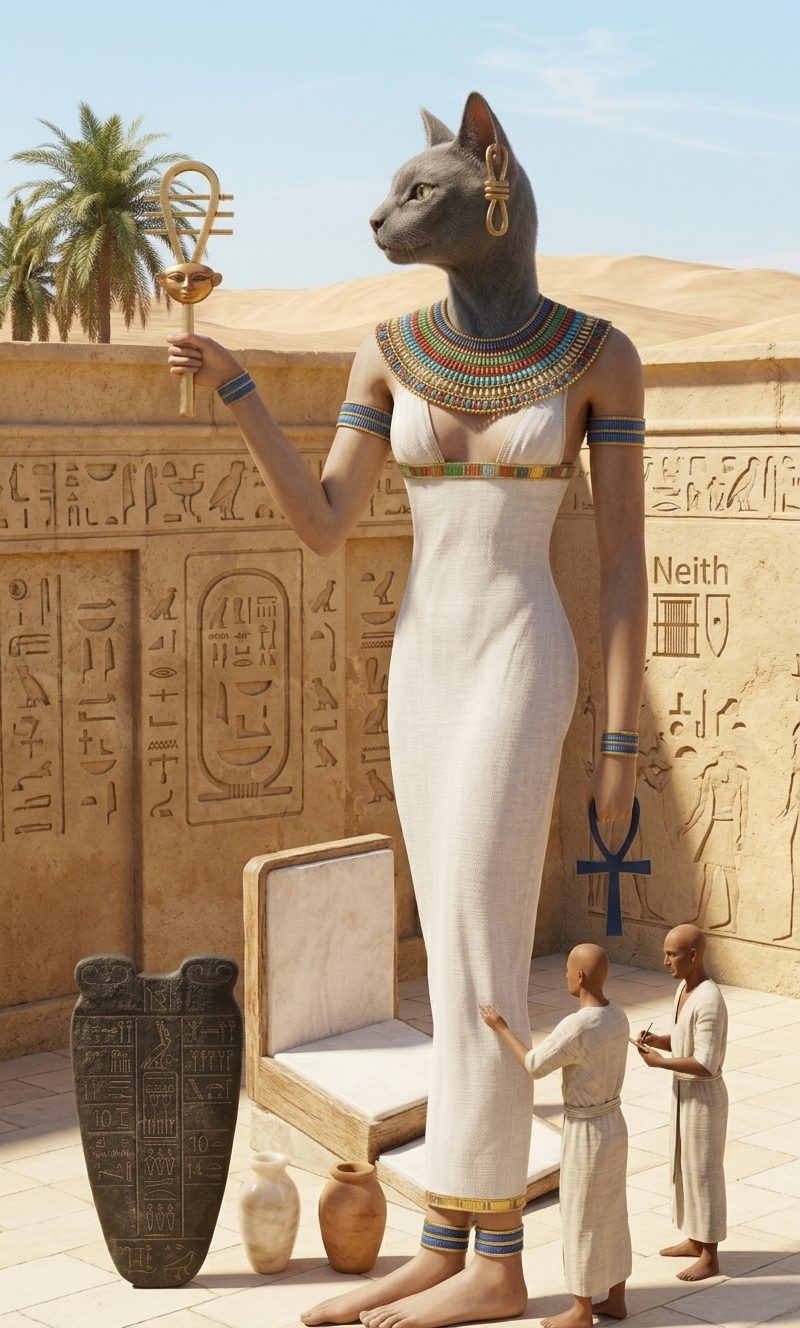
Inscriptions on stone vessels of schist, alabaster and marble, found mainly at Abydos, Giza and Saqqara, show cult buildings, gods such as Bastet, Neith and Seth, and religious festivals. Under Nebra we find the earliest known image of Bastet, the lioness goddess of Bubastis, later shown as a cat. One stone bowl shows the names of Hotepsekhemwy and Nebra side by side before the goddess. Jar inscriptions and seals also record events such as the "erecting of the pillars of Horus". Manetho adds that under Kaiechos the bulls Apis at Memphis and Mnevis at Heliopolis and the goat of Mendes were declared gods. Modern scholars doubt this, since the Apis cult is attested already in the First Dynasty.
The granite stela
THEME FOUR
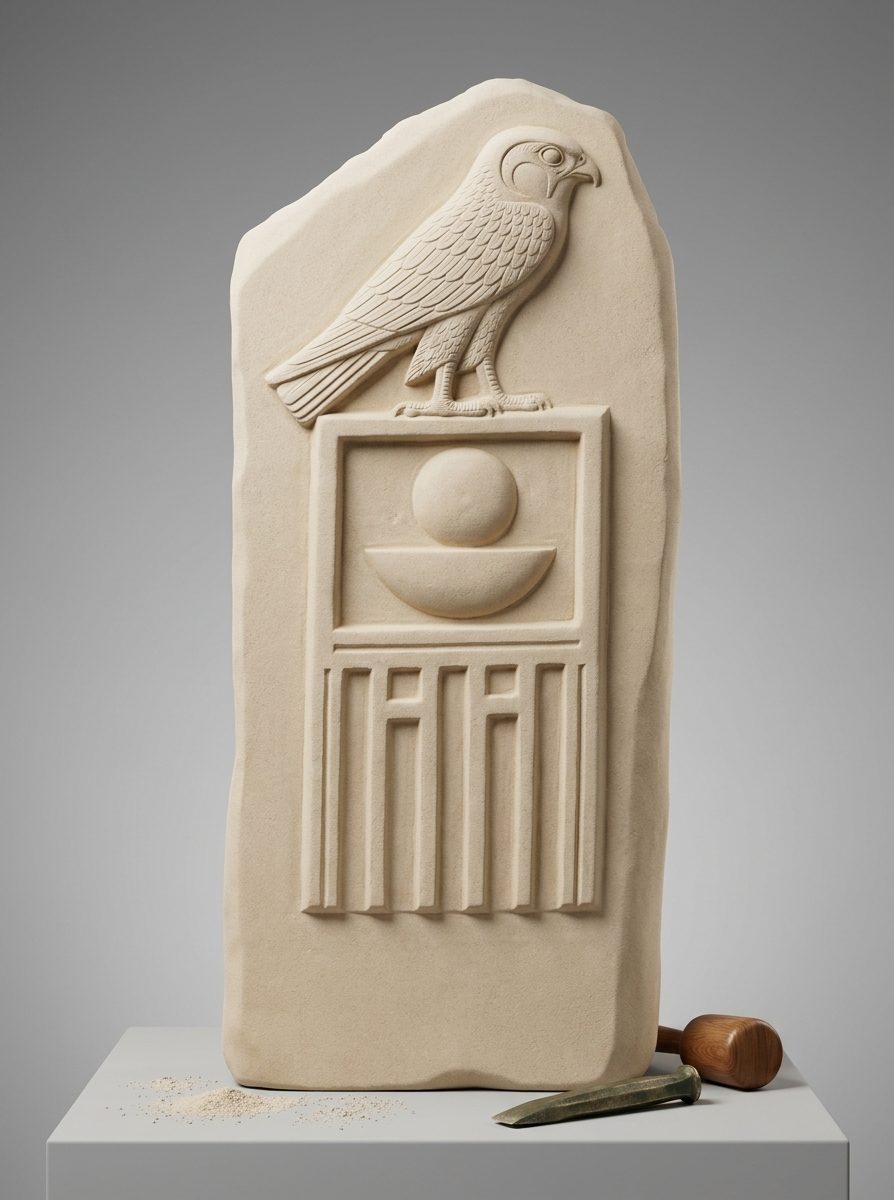
A granite stela about one metre high, now in the Metropolitan Museum of Art in New York, bears the Horus name of Nebra in a serekh, a frame shaped like the façade of a royal palace, crowned by the falcon of Horus. It belongs to a series of royal name stelae of the First and Second Dynasties, most of which come from Abydos, and it is the earliest surviving one carved in relief in granite. It is said to have been found near Memphis, which supports the idea that Nebra was buried at Saqqara.
Expeditions to Sinai
THEME FIVE
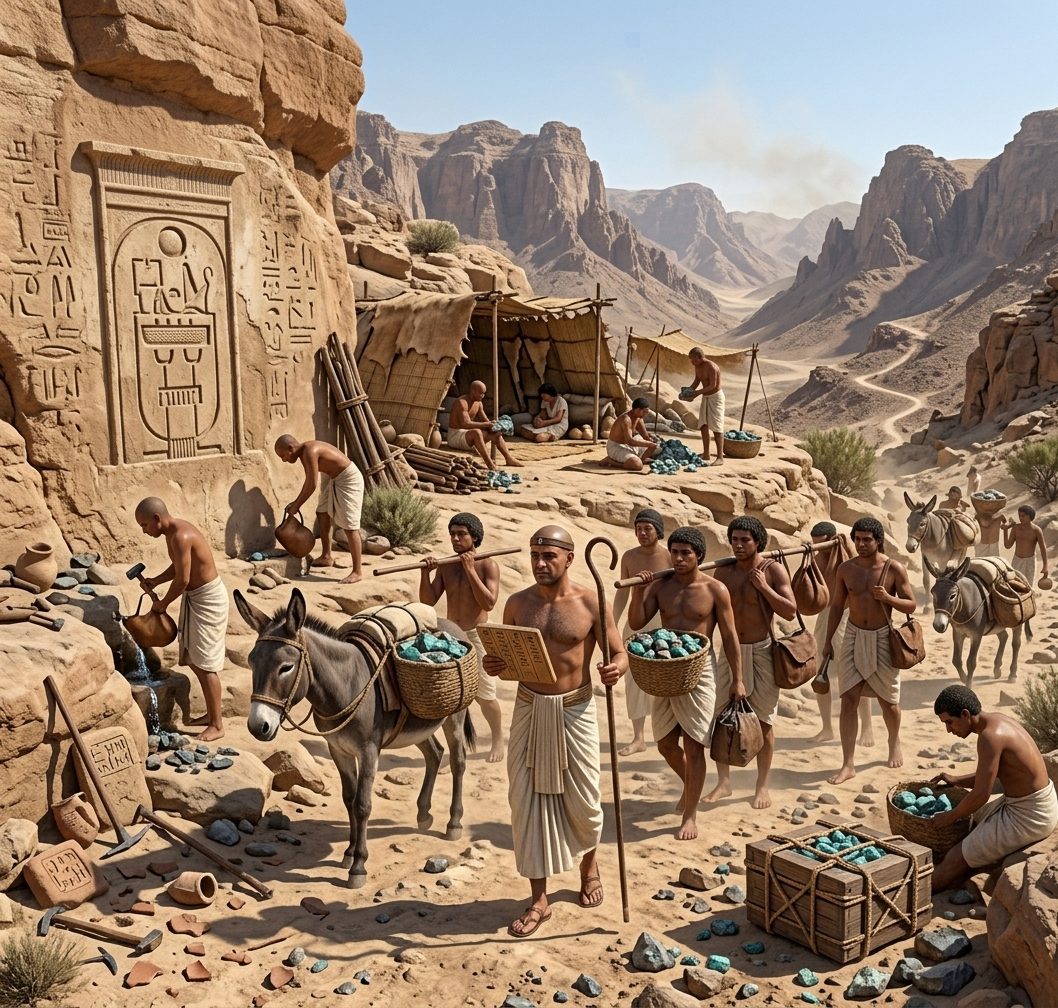
In 2012 the French Egyptologists Pierre Tallet and Damien Laisnay published three rock inscriptions with the Horus name of Nebra in southern Sinai, in the wadis Abu Madawi, Abu Koua and Ameyra. They lie along an old route that leads from the western coast of the peninsula inland to the copper and turquoise mines. Names of rulers from before the First Dynasty down to the Fourth Dynasty are carved at the same places, so the inscriptions show that Egyptian expeditions in search of copper and turquoise continued in Nebra's time.
Family, other names and tomb
THEME SIX
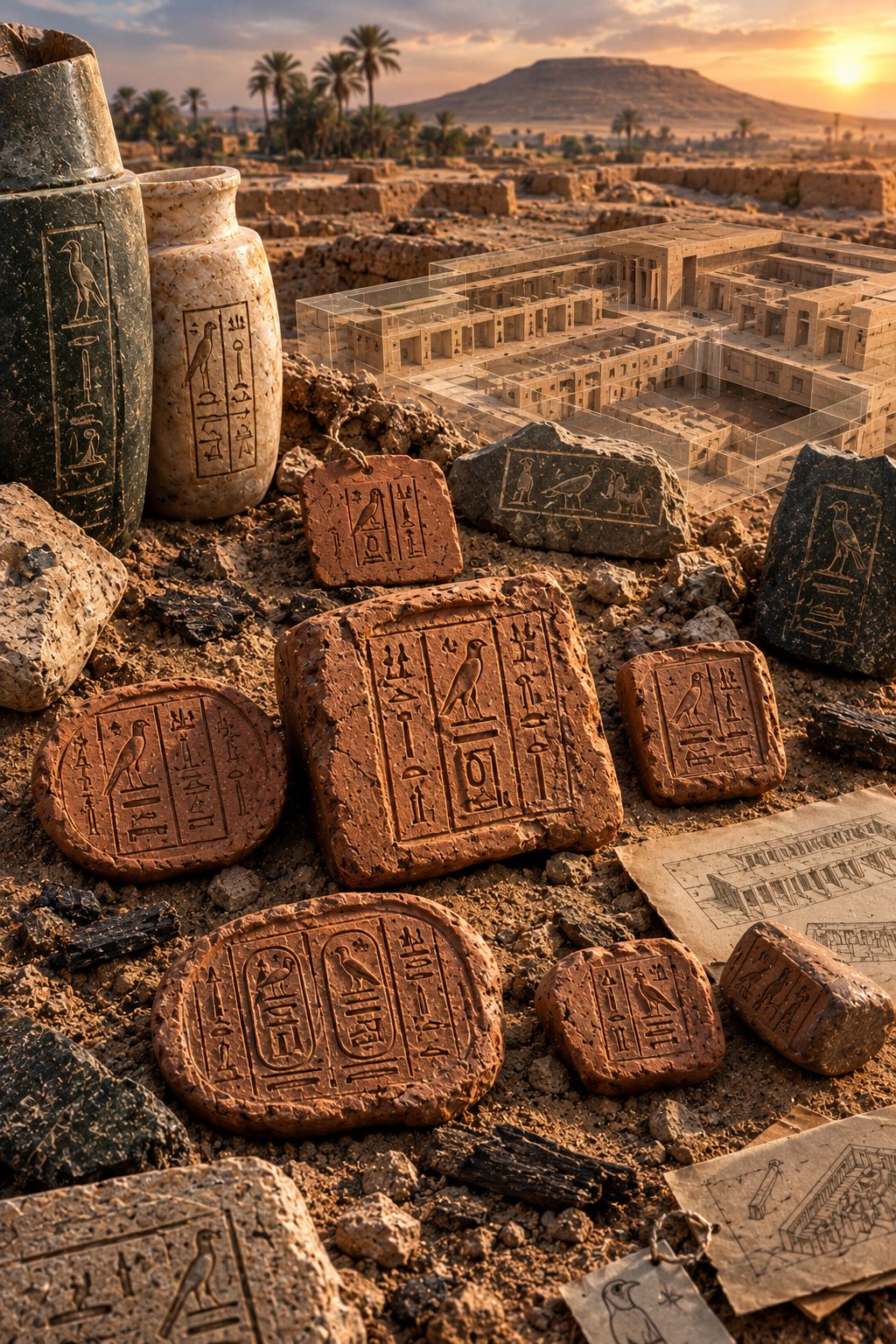
Nebra's wife is unknown. A "king's son" called Perneb, who was also a priest of the god Sopdu, may have been his son, but Perneb's seals come from a tomb attributed to both Nebra and Hotepsekhemwy, so his father is uncertain. Nynetjer, the next pharaoh, may also have been Nebra's son. Sealings with the names of Nebra and Hotepsekhemwy found together at Saqqara suggest that Nebra buried his predecessor and succeeded him directly. The later king lists probably call him Kakau, a name formed with the word for bull, and some scholars think that he is also the ruler known as Weneg or Nubnefer from a few vessel inscriptions, though these identifications are disputed. His tomb has not been found. He may have shared Gallery Tomb A at Saqqara with Hotepsekhemwy.
Summary
THEME SEVEN
Nebra is one of the least known pharaohs of the dynasty, and almost everything that survives from his reign concerns cults and administration. Yet his name with the sign of the sun, the earliest image of Bastet and the first royal stela in granite show that important religious and artistic changes were under way. His successor Nynetjer was to rule for about forty years.
Key dates
- c. 2700 BCEEnd of Nebra's reign, according to E. Hornung (2006).
- 10 or 14 yearsLength of his reign as estimated by Egyptologists.
- 2012Three rock inscriptions with his name in southern Sinai are published.