
Home · Ancient History · Ancient Egypt · Early Dynastic Period
Senedj
Senedj, "the fearsome one", is named in all three great king lists of the New Kingdom, but only one inscription from his own time is known. In the chronology of E. Hornung (2006) his reign ends around 2610 BCE, just before that of Khasekhemwy. Priests still served his cult in the Fourth Dynasty, and whether he was the same person as Peribsen is one of the open questions of the period.
- Reign
- Until c. 2610 BCE (E. Hornung, 2006), length unknown. Manetho gives 41 years
- Dynasty
- 2nd
- Predecessor
- Wadjenes in the later king lists, Sekhemib in the chronology used on this site
- Successor
- Neferkara in the Saqqara list and the Turin Canon, Khasekhemwy in the Abydos list and in the chronology used on this site
- Royal names
- Senedj, "the fearsome one". His Horus name is unknown
- Manetho
- Sethenes, 41 years
- Burial
- Unknown, perhaps Saqqara
- Main sources
- A bowl fragment from Giza, the false door of the priest Shery, the later king lists, a much later bronze statuette
A name from the king lists
THEME ONE
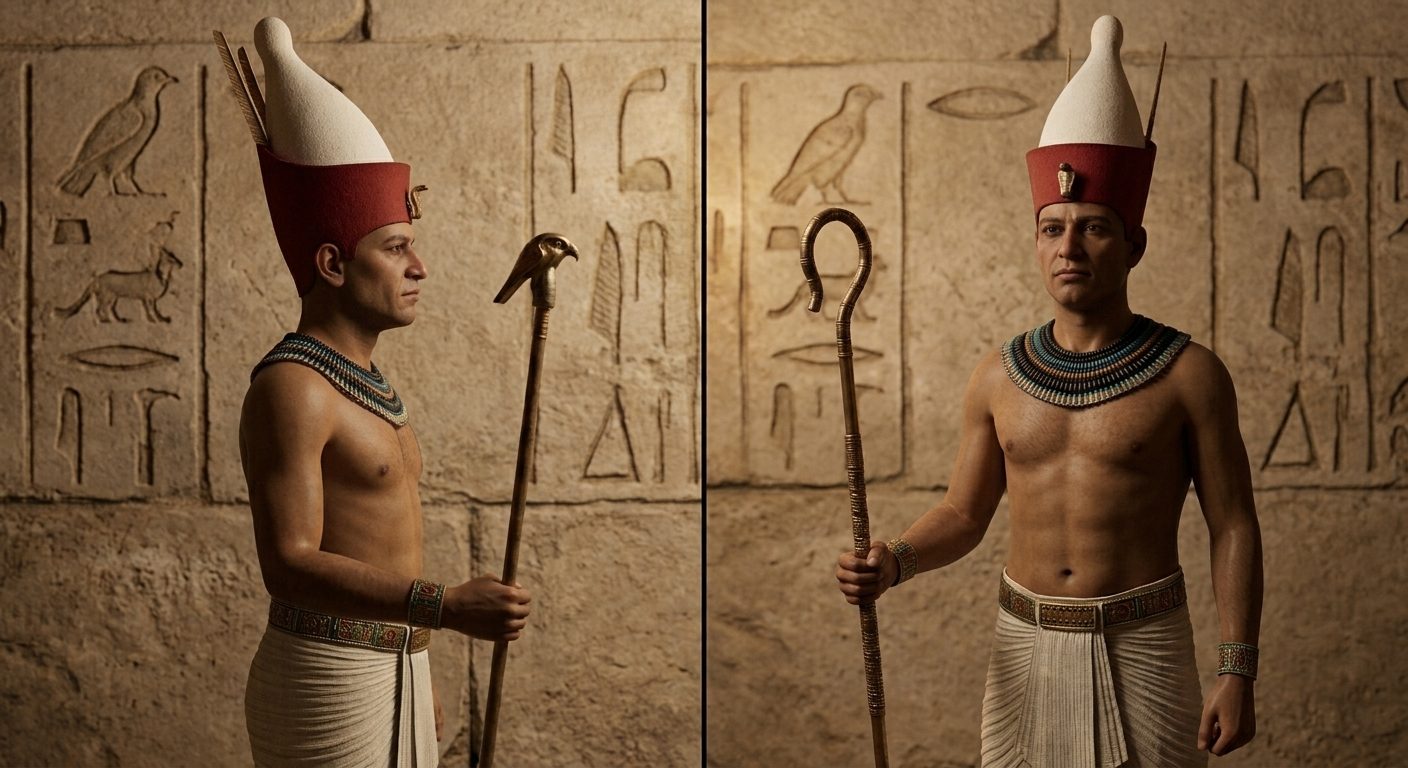
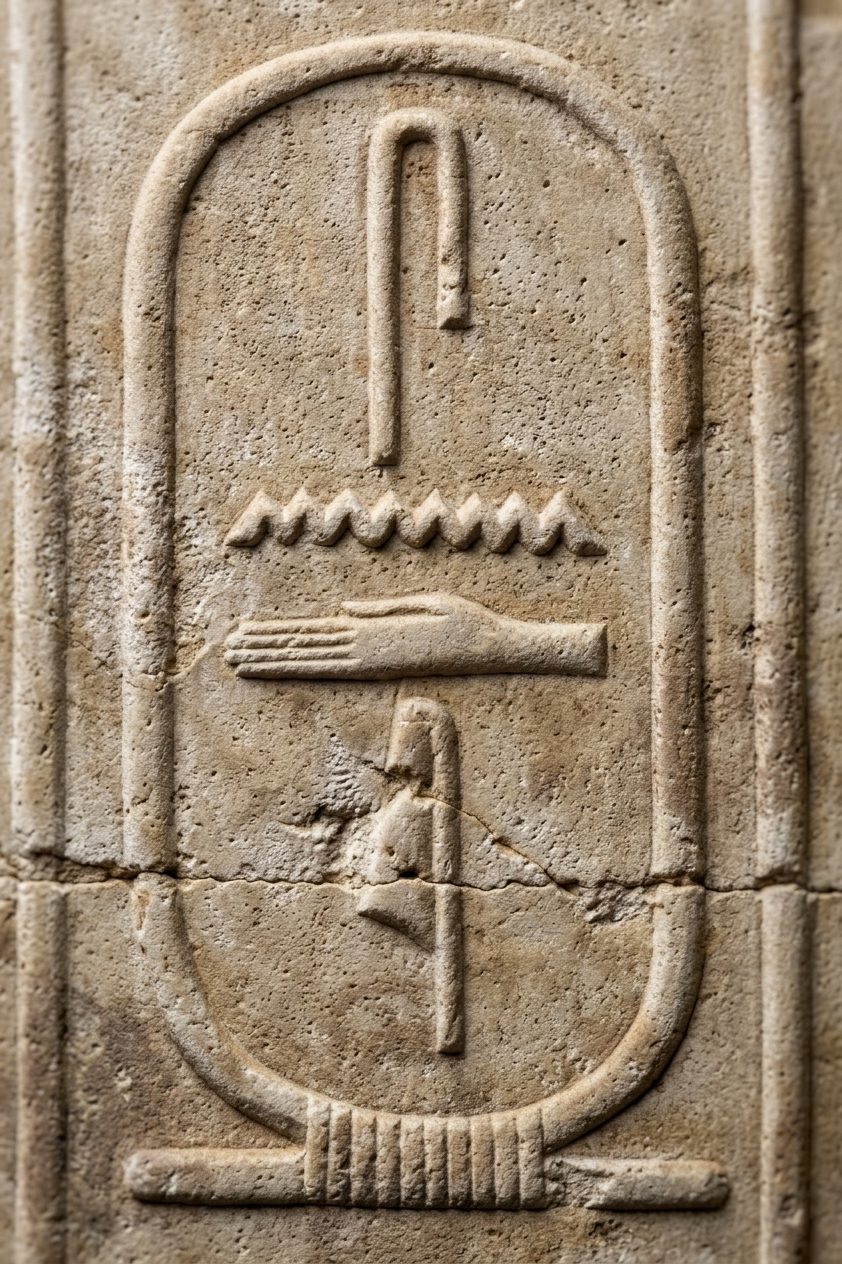
Senedj appears in the Abydos list, the Saqqara list and the Turin Canon, all compiled under the pharaohs of the 19th Dynasty, about 1,300 years after him. In these lists he comes fifth in the dynasty, after Nynetjer's successor Wadjenes. In the Saqqara list and the Turin Canon his name is written with the sign of a plucked goose, while the Abydos list keeps an older form. Manetho calls him Sethenes and gives him 41 years, but the real length of his reign is unknown.
A single inscription of his time
THEME TWO
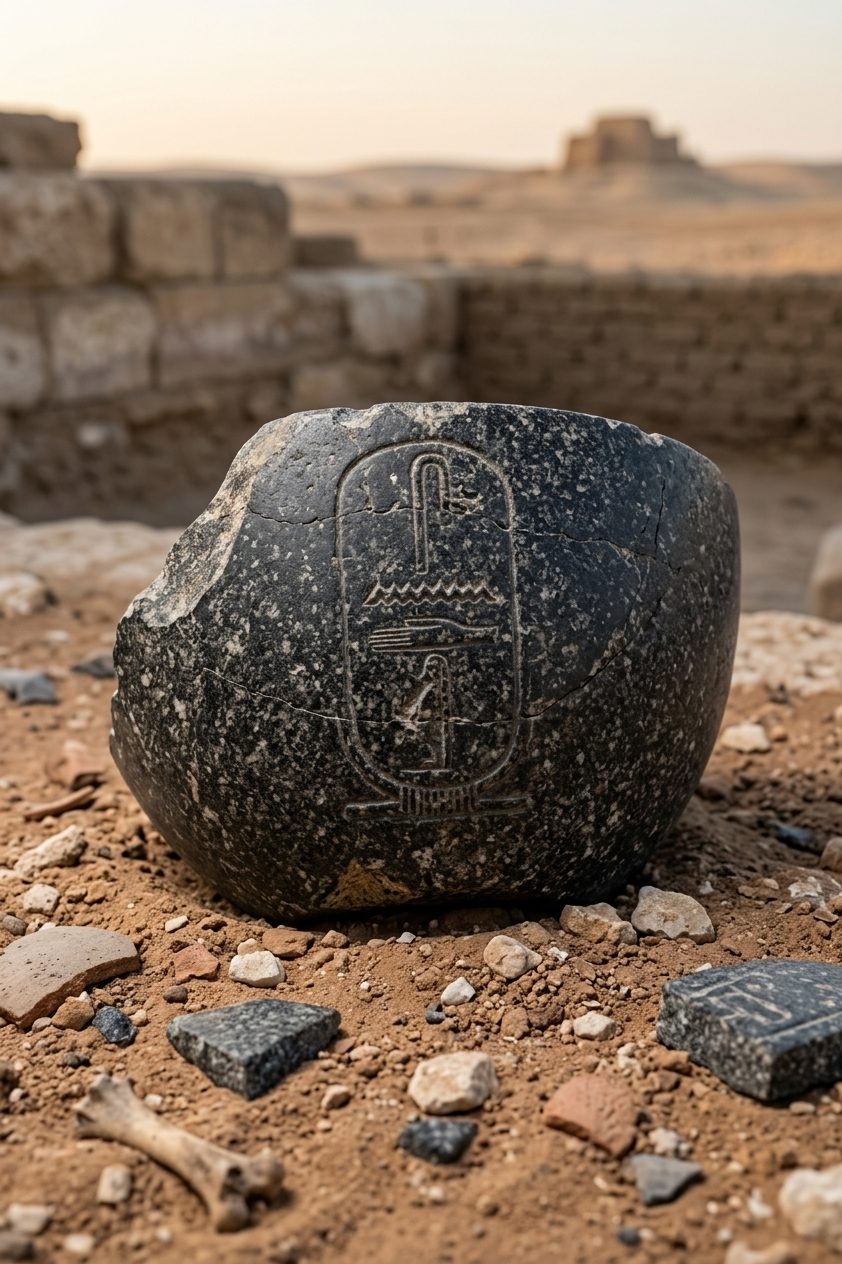
The only object that may date from his own reign is a fragment of a diorite bowl found by Uvo Hölscher in 1909 near the temples of Khafre and Menkaure at Giza and published in 1912. Its inscription reads "the King of Upper and Lower Egypt, Senedj". Because his Horus name is unknown, it is difficult to connect Senedj with the many Horus names on the seals and vessels of the Second Dynasty.
A cult that outlived him
THEME THREE
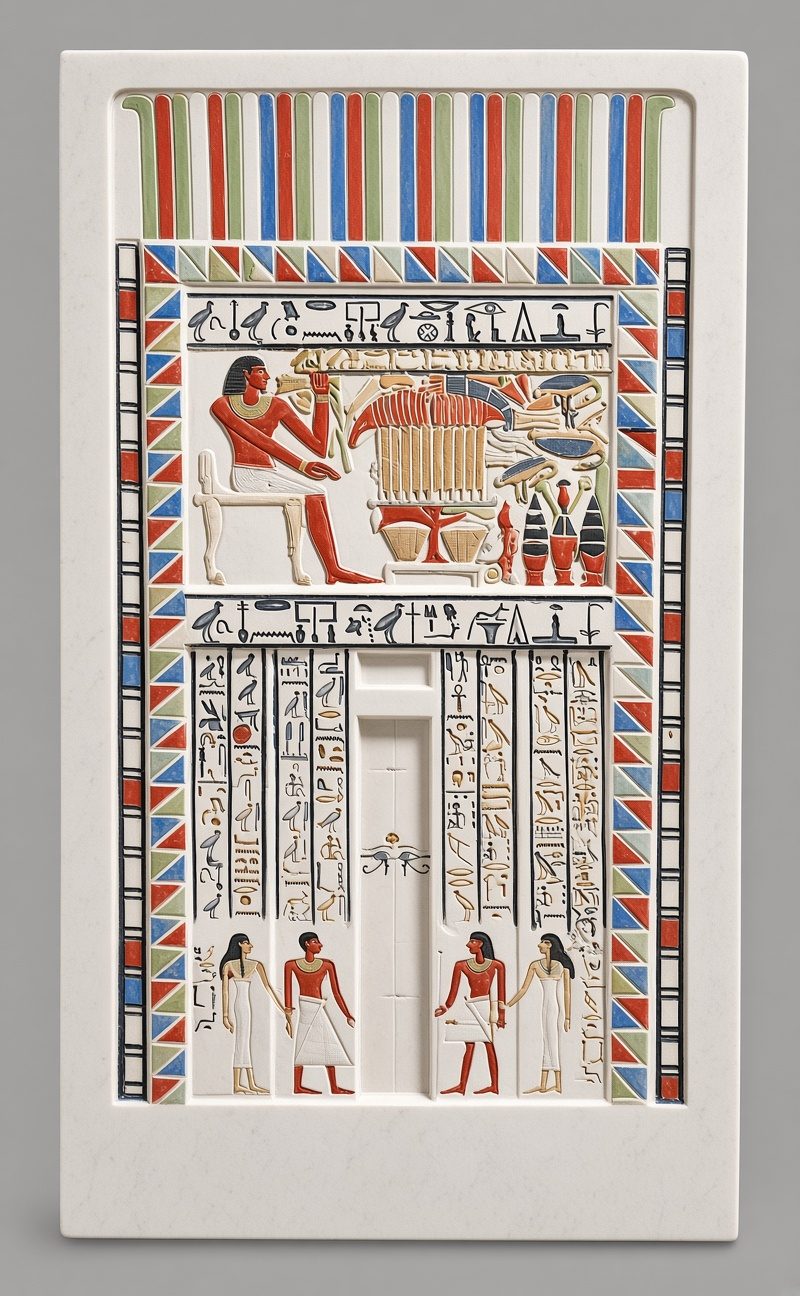
Senedj was not forgotten after his death. The false door of Shery, a high priest buried at Saqqara in the early or middle Fourth Dynasty, lists his titles: overseer of the priests of Peribsen in the necropolis of Senedj, overseer of the ka-priests of Senedj and servant of the god Senedj. On this door the name Senedj is written in a cartouche, an oval ring that came into use only at the end of the Third Dynasty. Dietrich Wildung suggests that Inkef and Siy, probably relatives of Shery, also served the cult.
Memory in later times
THEME FOUR
Later Egyptians still remembered Senedj. A medical papyrus of the New Kingdom, now in Berlin, says that one of its remedies came from an old book of the time of Den, which later passed to Senedj. A bronze statuette of a kneeling ruler wearing the White Crown and holding incense burners, made long after his time, bears his name on its belt. Peter Munro reported a seal with a longer form of the name, but it was never published in a photograph or drawing and is now lost, so most scholars doubt it.
Senedj and Peribsen
THEME FIVE
Some Egyptologists think that Senedj and Peribsen were the same pharaoh. Since names with Seth may have been avoided in the king lists, the scribes could have used another of his names. Wolfgang Helck and Dietrich Wildung argue that they were two different rulers, because Shery's false door keeps their names strictly apart. If the country was divided after Nynetjer, Senedj and his successors in the lists, Neferkara, Neferkasokar and Hudjefa, may have ruled Lower Egypt while Peribsen and Sekhemib ruled Upper Egypt. The last of these names probably means only that the scribe found a gap in his source.
Where is his tomb?
THEME SIX
The burial place of Senedj is unknown. If he was Peribsen, he lies in Tomb P at Abydos. Toby Wilkinson suggests Saqqara instead: one of the great southern galleries later included in the complex of Djoser may originally have been the tomb of Senedj. Shery's title "in the necropolis of Senedj" may also point to a royal cemetery in the region of Memphis.
Summary
THEME SEVEN
Senedj shows the gap between the official memory of Egypt and the evidence of the time itself. The king lists of the New Kingdom and the priests of the Fourth Dynasty knew him well, while archaeology has so far found almost nothing of him. Until new discoveries are made, his reign, its length and even his place in the dynasty remain uncertain.
Key dates
- c. 2610 BCEEnd of Senedj's reign, according to E. Hornung (2006).
- 4th DynastyThe priest Shery serves the cult of Senedj at Saqqara.
- 1909Uvo Hölscher finds the bowl fragment with his name at Giza.