
Home · Ancient History · Ancient Egypt · Old Kingdom
Shepseskare
Shepseskare is the least-known pharaoh of the Fifth Dynasty. In the chronology of E. Hornung (2006) he ruled in 2404 BCE, and his reign probably lasted only a few months. No statue, relief or tomb of his is known for certain. His name survives on one king list and on a handful of seals, and Egyptologists still disagree about where exactly he belongs among the pharaohs of Abusir.
- Reign
- About 2404 BCE (E. Hornung, 2006), probably only a few months. The Turin Canon entry is damaged. Manetho gives 7 years
- Dynasty
- 5th
- Predecessor
- Neferirkare Kakai, in the order of E. Hornung (2006). Many Egyptologists place him after Neferefre
- Successor
- Neferefre, in the order of E. Hornung (2006). If he ruled after Neferefre, his successor was Nyuserre
- Royal names
- Horus name Sekhemkhau, "powerful of appearances". Throne name Shepseskare, "noble is the ka of Ra"
- Manetho
- Sisires, 7 years
- Burial
- Unknown. Perhaps intended for an unfinished pyramid at North Abusir, of which only the levelled ground was prepared
- Main sources
- The king list of Saqqara, a few cylinder seals and clay seal impressions from Abusir, the damaged Turin Canon, Manetho
A pharaoh almost forgotten
THEME ONE
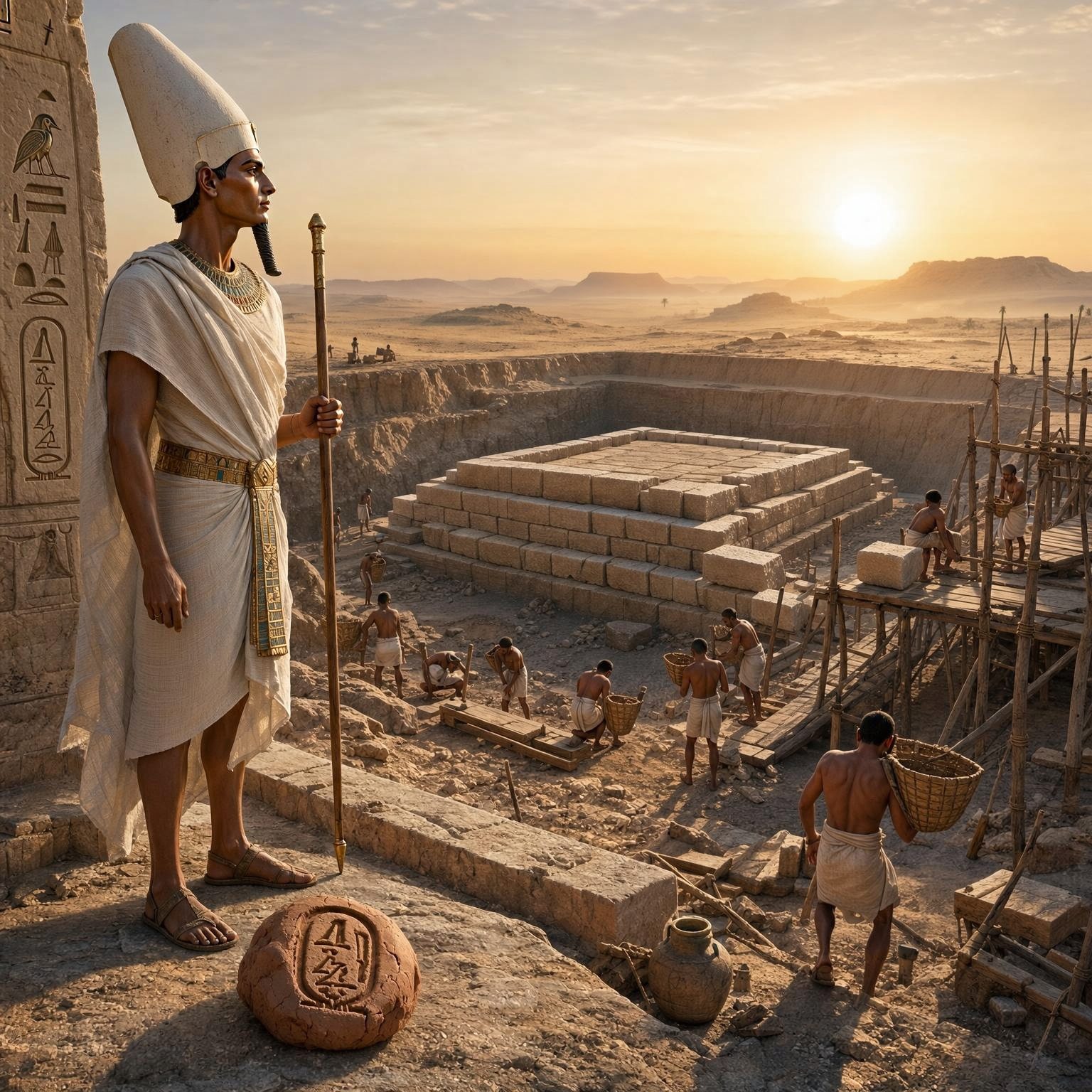
Shepseskare left so few traces that some scholars once doubted he existed. His name means "noble is the ka of Ra", like the names of the other sun-worshipping pharaohs of his dynasty. The king list carved in a tomb at Saqqara in the reign of Ramesses II places him between Neferirkare and Neferefre. The king list of Abydos leaves him out, and in the Turin Canon the line where his name would stand is damaged.
A handful of seals
THEME TWO
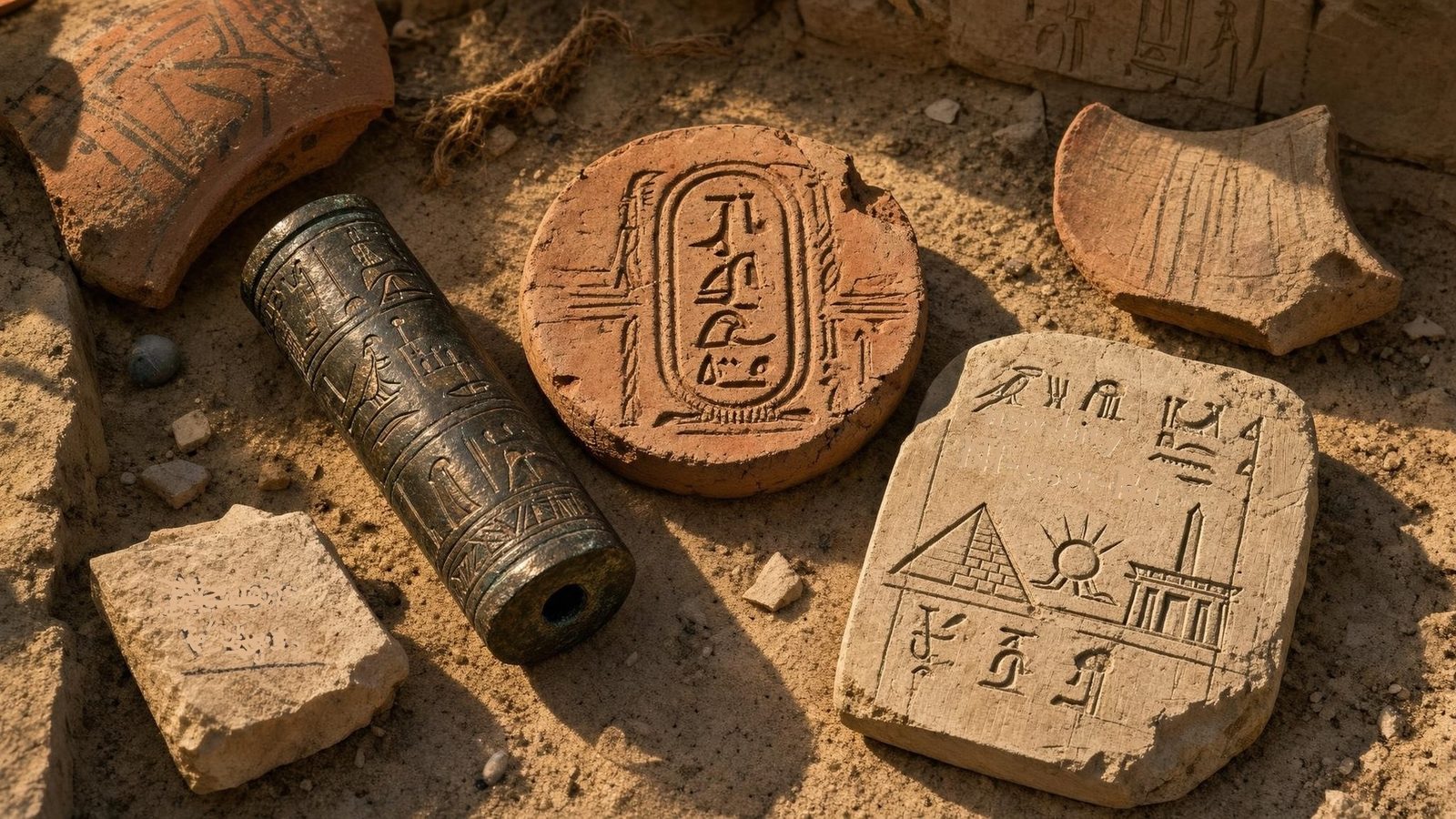
The direct evidence of his reign is small. Three cylinder seals bear his names, one of bronze found at Memphis. One unfinished seal names him next to the pyramid and sun temple of Nyuserre. Clay sealings with his Horus name were found at Abusir, some of them in the temple of Neferefre, and another was found in 2022 near the sun temple of Nyuserre. Such seals were used by officials to close jars, boxes and doors, so they show that an administration worked in his name.
Where does he belong?
THEME THREE
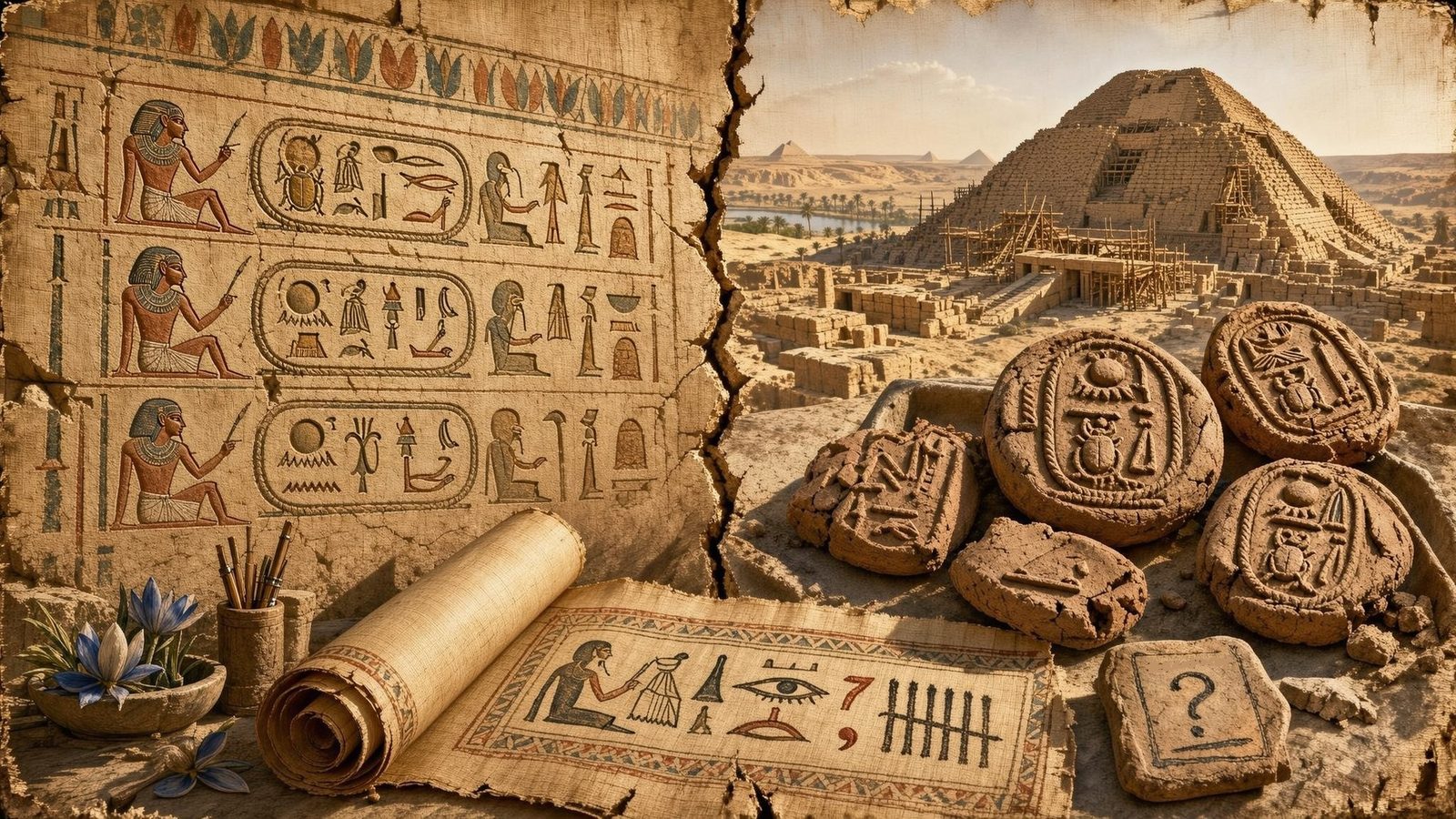
The traditional order, followed by E. Hornung and by this site, puts Shepseskare after Neferirkare and before Neferefre. The Czech Egyptologist Miroslav Verner, who excavated Abusir for decades, argues that he came after Neferefre, because his seals were found in Neferefre's temple and because of the layout of the pyramids. Others have suggested an even later date. Manetho calls him Sisires and gives him seven years, but this figure is now thought much too high.
A pyramid only begun
THEME FOUR
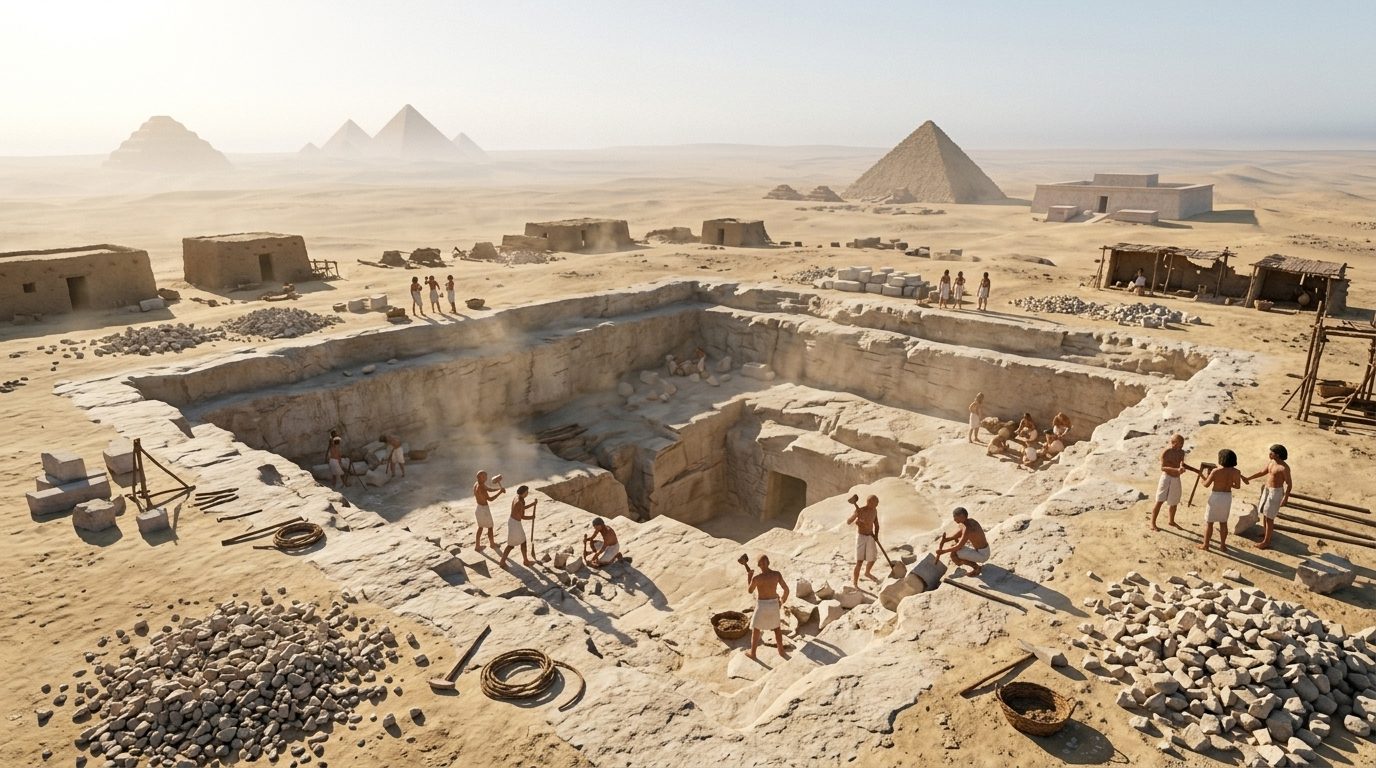
In 1980 Verner's team discovered at North Abusir, between the pyramid of Sahure and the sun temple of Userkaf, the remains of a pyramid that had hardly been started. The ground had been levelled and work on the pit for the burial chamber had just begun. No name was found, but Verner attributes it to Shepseskare, because all the other pharaohs of this period now have known tombs. The work seems to have lasted only a few weeks or months.
Who was he?
THEME FIVE
His parents are unknown. Verner thinks he may have been a son of Sahure, perhaps the prince Netjerirenre shown on Sahure's causeway, who took the throne after the early death of Neferefre. Others suggest he was a son of Neferirkare or of Neferefre. He may also have been a rival of the young Nyuserre, whose mother Khentkaus II and supporters soon secured the throne for her son. None of these ideas can yet be proved.
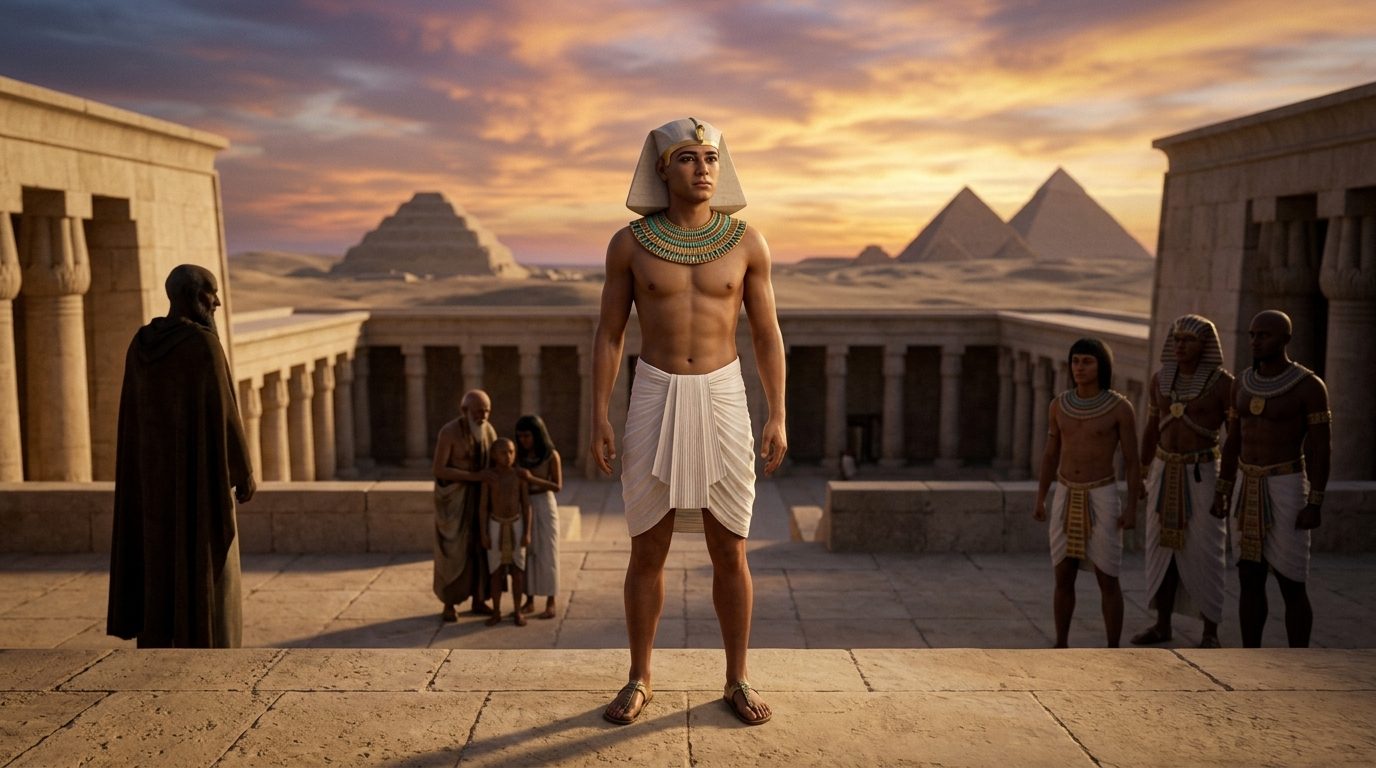
A reign of a few months
THEME SIX
The unfinished pyramid, the small number of seals and the absence of any sun temple or statue all suggest a very short reign. Verner, Hornung and others think it lasted only a few months. How it ended is unknown, whether by the sudden death of the pharaoh or by the claim of Nyuserre to the throne. After him the line of Neferirkare and Khentkaus II ruled Egypt for the rest of the dynasty.
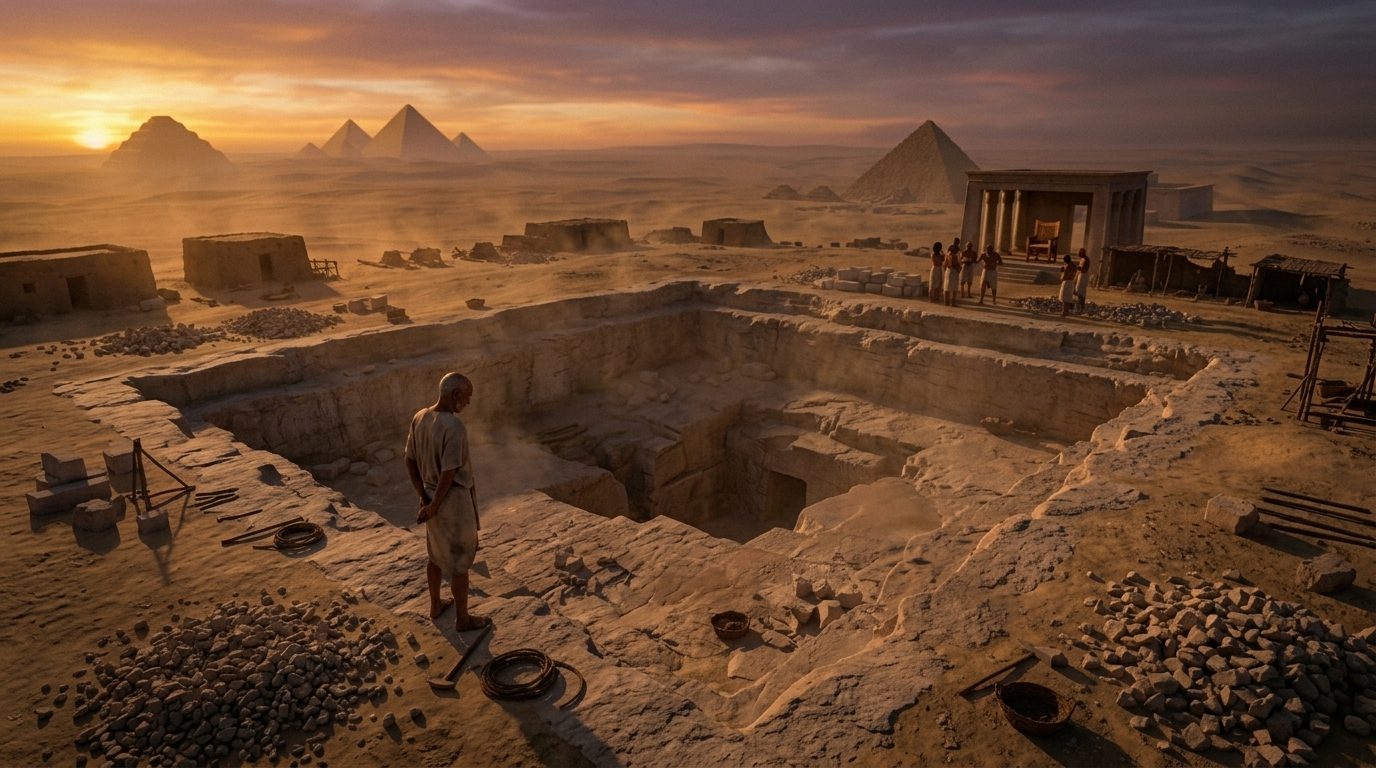
Summary
THEME SEVEN
Shepseskare is a reminder of how much of early Egyptian history is still lost. A pharaoh who ruled the whole country is known today from a single king list, a few seals and a building site abandoned after a few weeks, and even his place in the order of pharaohs is still debated.
Key dates
- About 2404 BCEShepseskare becomes pharaoh, according to E. Hornung (2006) after Neferirkare.
- During his reignWork begins on a pyramid at North Abusir, but stops after a few weeks or months.
- 1980Czech archaeologists discover the unfinished pyramid that is probably his.