
Home · Ancient History · Ancient Egypt · Old Kingdom
Sekhemkhet
Sekhemkhet, the second pharaoh of the Third Dynasty, reigned from 2565 to 2559 BCE in the chronology of E. Hornung (2006). He succeeded Djoser and was perhaps his son or his brother. His short reign left two rock reliefs in Sinai and an unfinished step pyramid at Saqqara, which was planned to be higher than Djoser's. Hidden under the sand for more than four thousand years, it was discovered only in 1951 and has been called the Buried Pyramid ever since.
- Reign
- 2565 – 2559 BCE (E. Hornung, 2006). The Turin Canon gives 6 years, Manetho and the royal annals 7
- Dynasty
- 3rd
- Predecessor
- Djoser
- Royal names
- Horus name Sekhemkhet, "powerful of body". Nebty name Djoserty. Later king lists: Djoserteti (Saqqara, Turin), Teti (Abydos)
- Manetho
- Tyreis, 7 years
- Burial
- Unfinished step pyramid (the Buried Pyramid), Saqqara. The sarcophagus was found empty
- Main sources
- His pyramid complex at Saqqara with an ivory plaque bearing his name, two rock reliefs at Wadi Maghareh in Sinai, seal impressions from Elephantine, the Cairo fragment of the royal annals
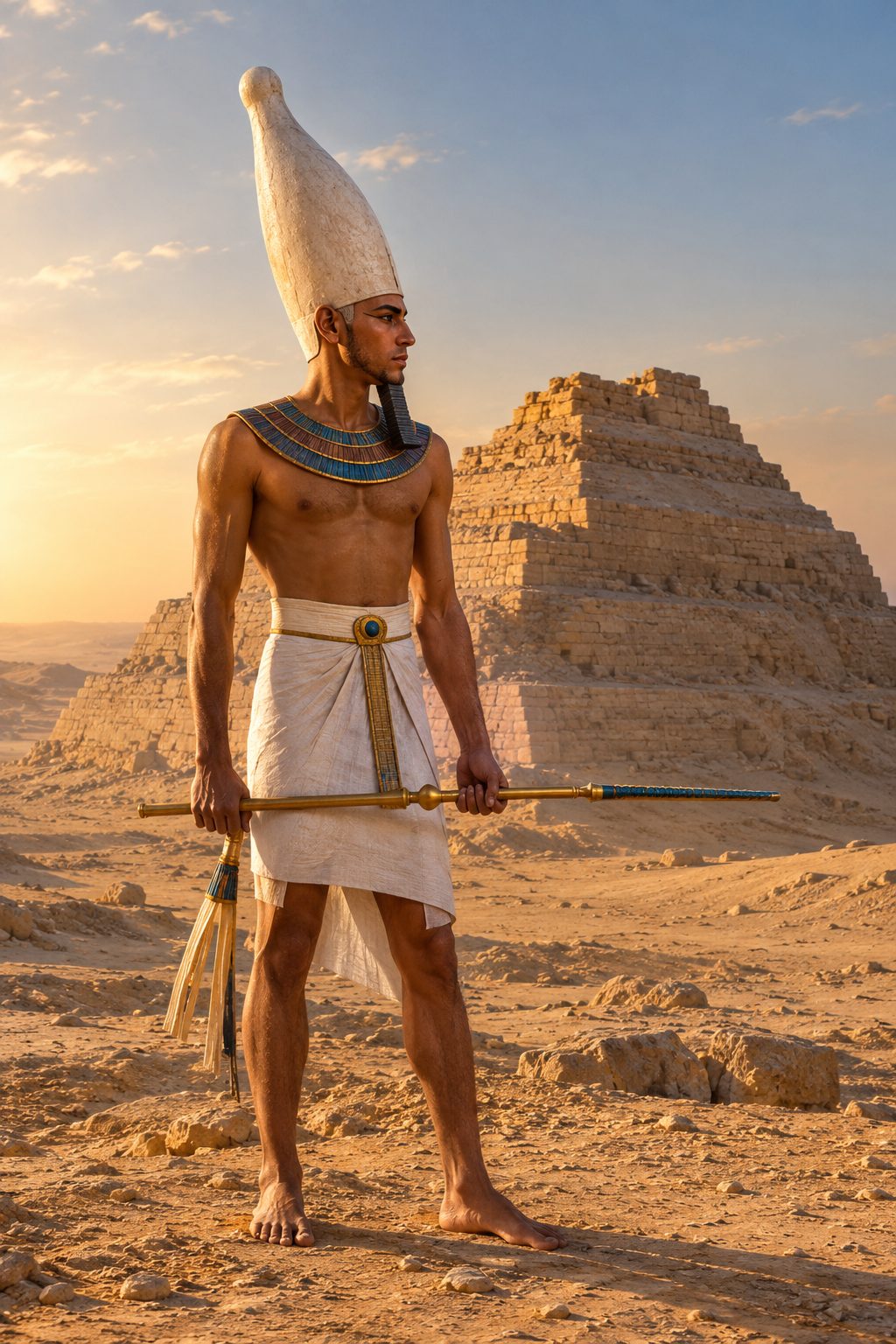
The heir of Djoser
THEME ONE
Little is known of Sekhemkhet's origin. He may have been a son of Djoser, or a younger son of Khasekhemwy and Nimaathap and so Djoser's brother. His Horus name, "powerful of body", is close in form to Djoser's Netjerikhet, "divine of body". His Nebty name Djoserty, found on an ivory plaque in his pyramid, explains why the later king lists remembered him as Djoserteti. A woman named Djeseretnebti may have been his wife, but her name appears without the title of a queen and its reading is disputed.
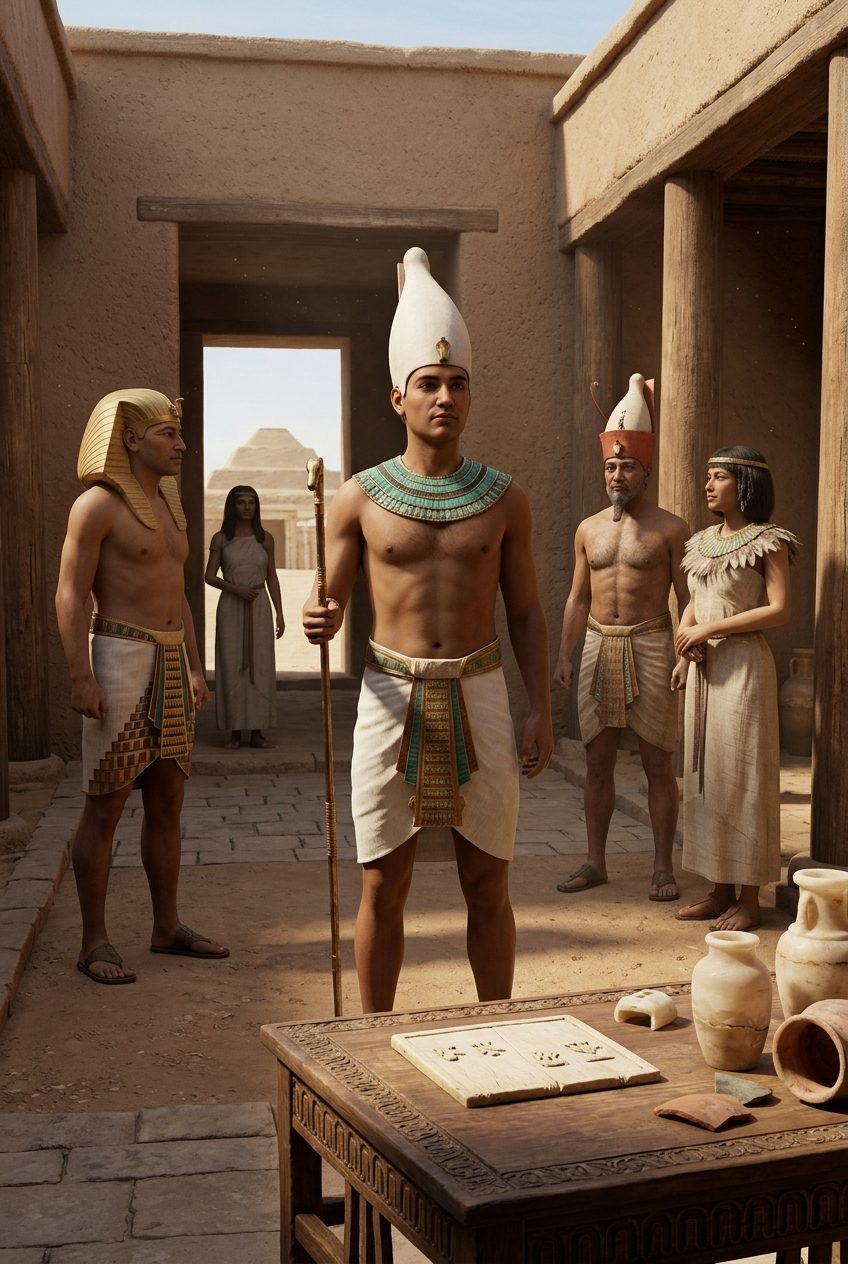
Reliefs in Sinai
THEME TWO
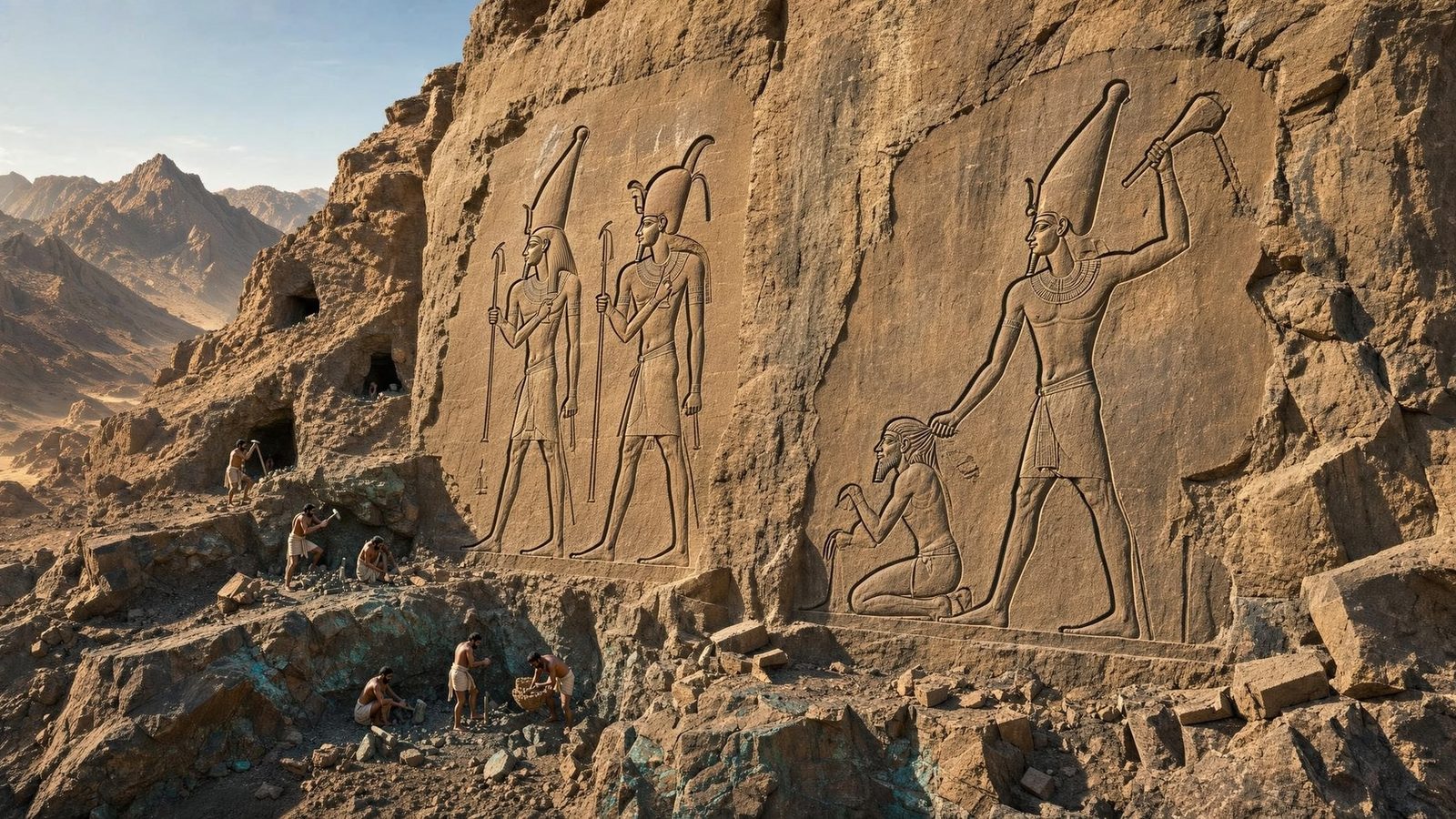
Two rock inscriptions at Wadi Maghareh in Sinai are the only known images of Sekhemkhet. One shows him twice, once with the White Crown of Upper Egypt and once with the Red Crown of Lower Egypt. The other shows the traditional scene of the pharaoh smiting an enemy whom he holds by the hair. The reliefs show that expeditions continued to work the turquoise and copper mines of the region, as under Djoser. Part of one relief, known from old photographs taken on the spot, has since been lost.
A pyramid higher than Djoser's
THEME THREE
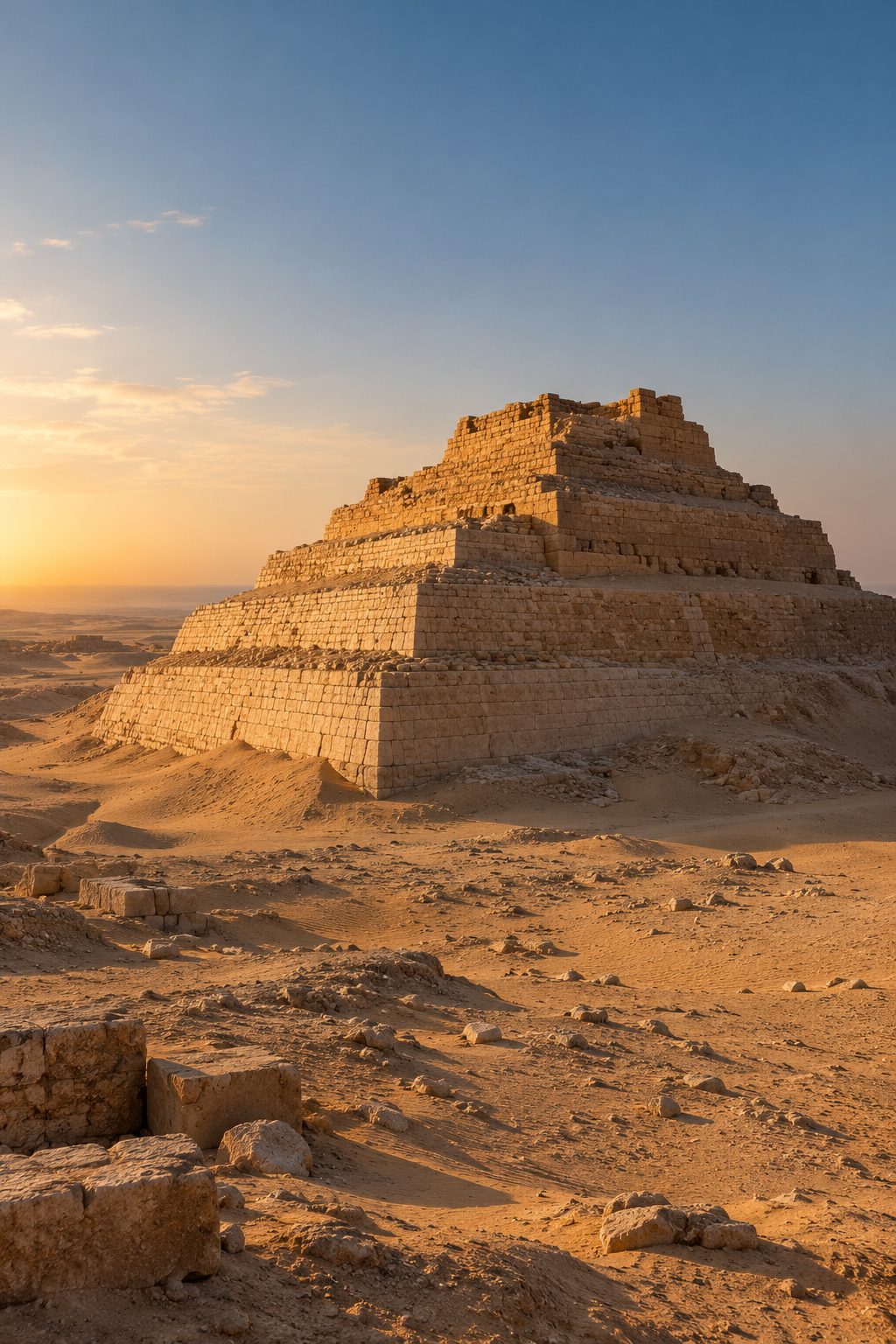
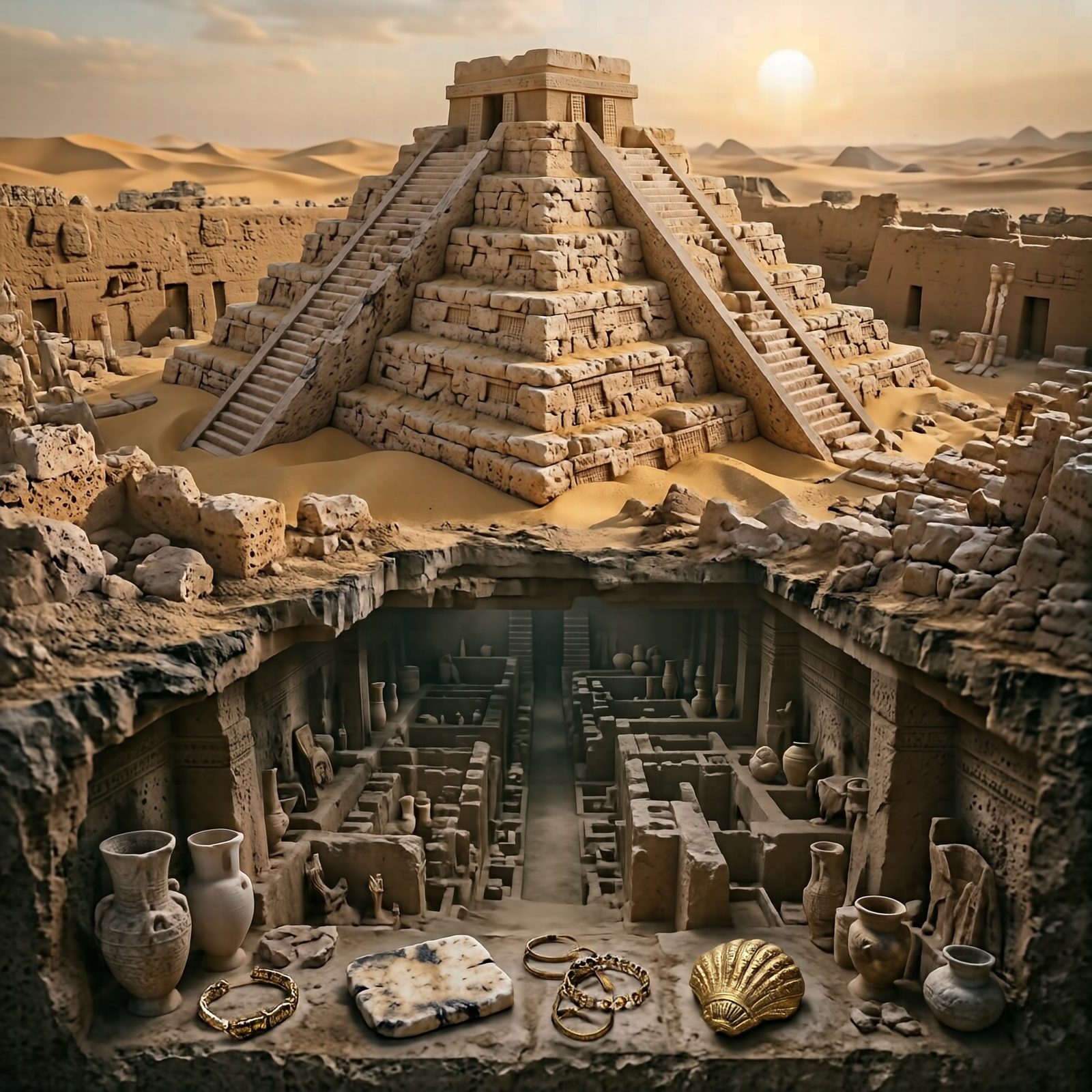
Sekhemkhet began his tomb a few hundred metres south-west of Djoser's. The pyramid had a square base about 115 metres long, and if it had been completed with seven steps, it would have risen to about 70 metres, higher than its model. The builders laid the limestone blocks in layers leaning inwards, as in the step pyramid. But the reign was short: only the lowest step was built, about 8 metres high, and the unfinished building looked like a large mastaba. The name Imhotep is written on its enclosure wall, perhaps that of the same architect who had worked for Djoser.
The Buried Pyramid
THEME FOUR
For more than four thousand years the ruins lay under the sand. In 1951 the Egyptian archaeologist Zakaria Goneim noticed a rectangular outline in the desert at Saqqara and uncovered an enclosure wall about 520 by 180 metres and the stump of the pyramid. A corridor led down to a gallery of more than a hundred storerooms arranged like a comb and towards the burial chamber. In the galleries Goneim found stone vessels, an ivory plaque with the name Djoserty and a small treasure of gold: 21 bracelets and a box in the shape of a shell, now in the Egyptian Museum in Cairo.
The empty sarcophagus
THEME FIVE
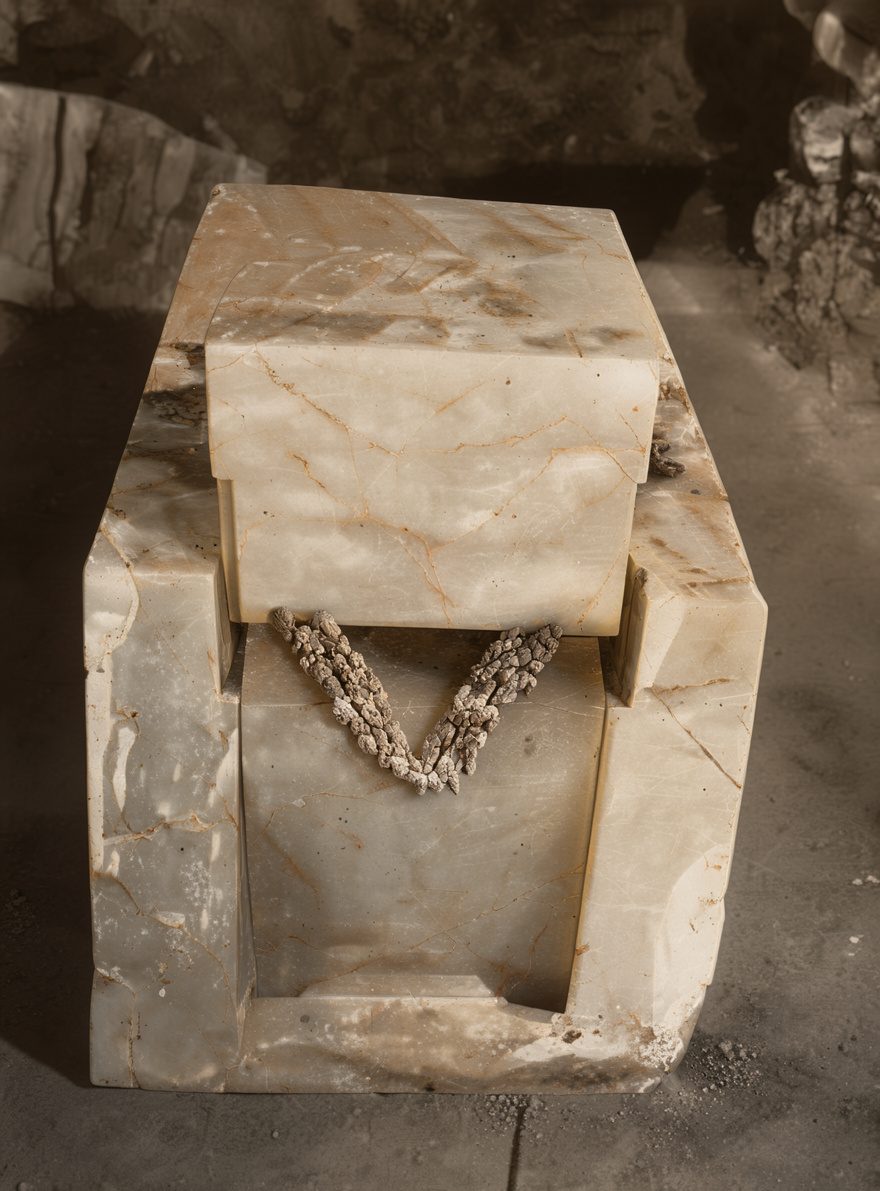
In 1954 Goneim reached the burial chamber. It was unfinished, but it held a sarcophagus of alabaster cut from a single block. Instead of a lid on top, it was closed at one end by a sliding panel, still sealed with mortar. Everything suggested an intact royal burial, but when the sarcophagus was opened in June 1954, it was empty. Whether the tomb was robbed after the burial or the pharaoh was buried elsewhere is still unknown.
The South Tomb and the child
THEME SIX
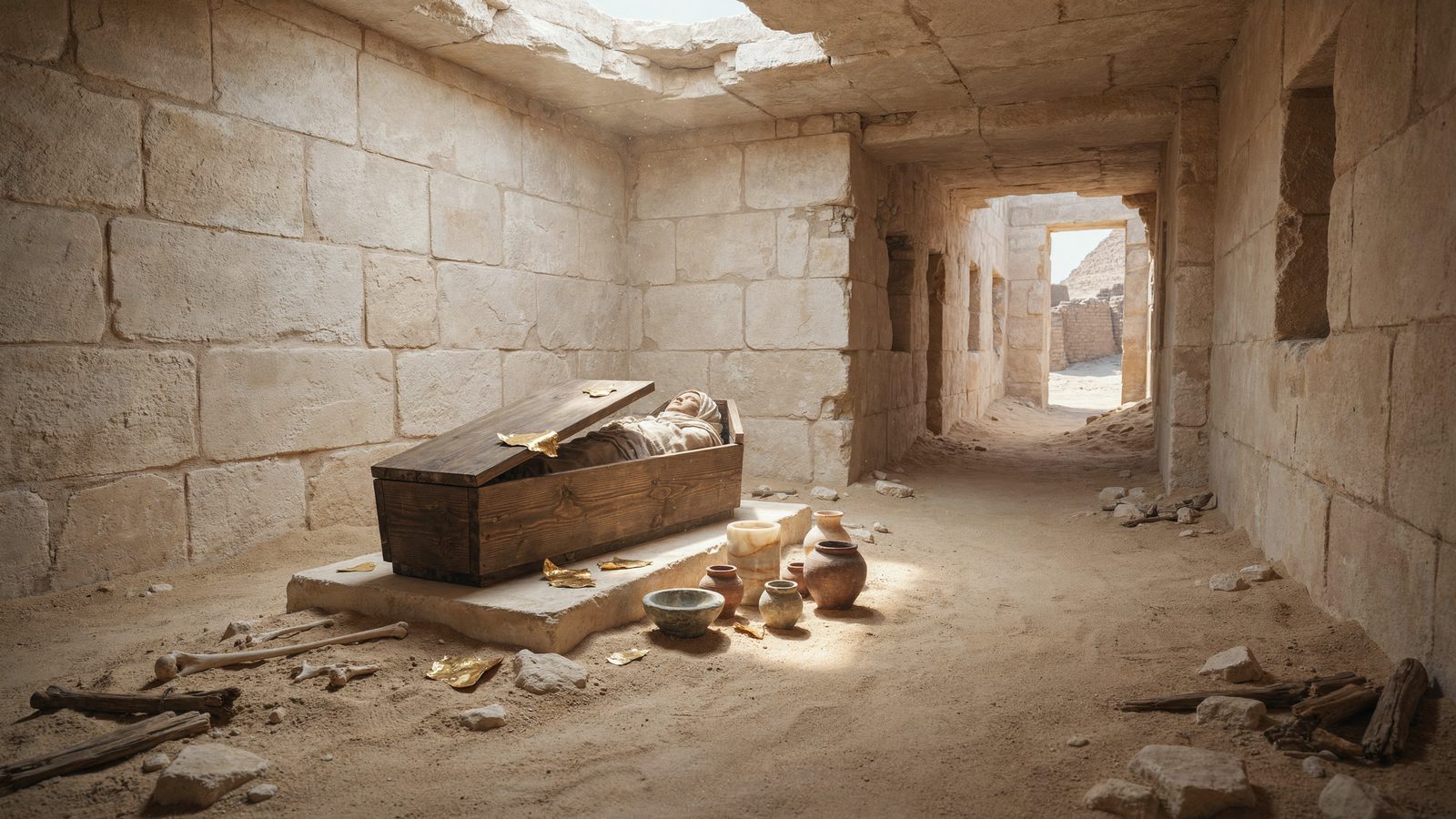
As in Djoser's complex, a second, smaller tomb was built on the south side of the pyramid. When the French architect and Egyptologist Jean-Philippe Lauer excavated it in 1963, he found that it had been robbed in antiquity. In its chamber lay a wooden coffin with the remains of a child about two years old, together with gold leaf, stone vessels and animal bones of the Third Dynasty. Who the child was is unknown. It cannot have been the pharaoh himself, because the Sinai reliefs show Sekhemkhet as a grown man.
Summary
THEME SEVEN
Sekhemkhet ruled for only six or seven years, too short a time to finish his monument. Yet his pyramid shows that the builders of Djoser's time went on developing the new stone architecture and aimed even higher. The unfinished pyramid and its empty sarcophagus remain one of the great puzzles of the early Old Kingdom.
Key dates
- 2565 BCESekhemkhet becomes pharaoh after the death of Djoser, according to E. Hornung (2006).
- During his reignExpeditions to the mines of Wadi Maghareh in Sinai. Work begins on the pyramid at Saqqara.
- 2559 BCEDeath of Sekhemkhet. His pyramid remains unfinished.