
Home · Ancient History · Ancient Egypt · Old Kingdom
Shepseskaf
Shepseskaf was the last pharaoh of the Fourth Dynasty. In the chronology of E. Hornung (2006) he reigned from 2441 to 2436 BCE. He was probably a son of Menkaure, whose unfinished temple at Giza he completed. For himself he broke with a tradition of almost a century: instead of a pyramid he built at South Saqqara a huge stone tomb in the shape of a sarcophagus, known today as the Mastabat al-Firaun, "the bench of Pharaoh".
- Reign
- 2441 – 2436 BCE (E. Hornung, 2006). The Turin Canon gives 4 years, Manetho 7. Documents survive from his first and second years only
- Dynasty
- 4th
- Predecessor
- Menkaure, probably his father
- Successor
- Userkaf, the first pharaoh of the 5th Dynasty. Manetho places a pharaoh Thamphthis between them, not attested in other sources
- Royal names
- Horus name Shepseskhet, "noble of body". Throne name Shepseskaf, "his ka is noble"
- Manetho
- Sebercheres, 7 years
- Burial
- The Mastabat al-Firaun at South Saqqara, called in antiquity Qebeh-Shepseskaf, "Shepseskaf is pure"
- Main sources
- His tomb at South Saqqara, his decree in the temple of Menkaure at Giza, the Palermo Stone, the Turin Canon, the tombs of Khentkaus I and Bunefer at Giza
The end of a great dynasty
THEME ONE
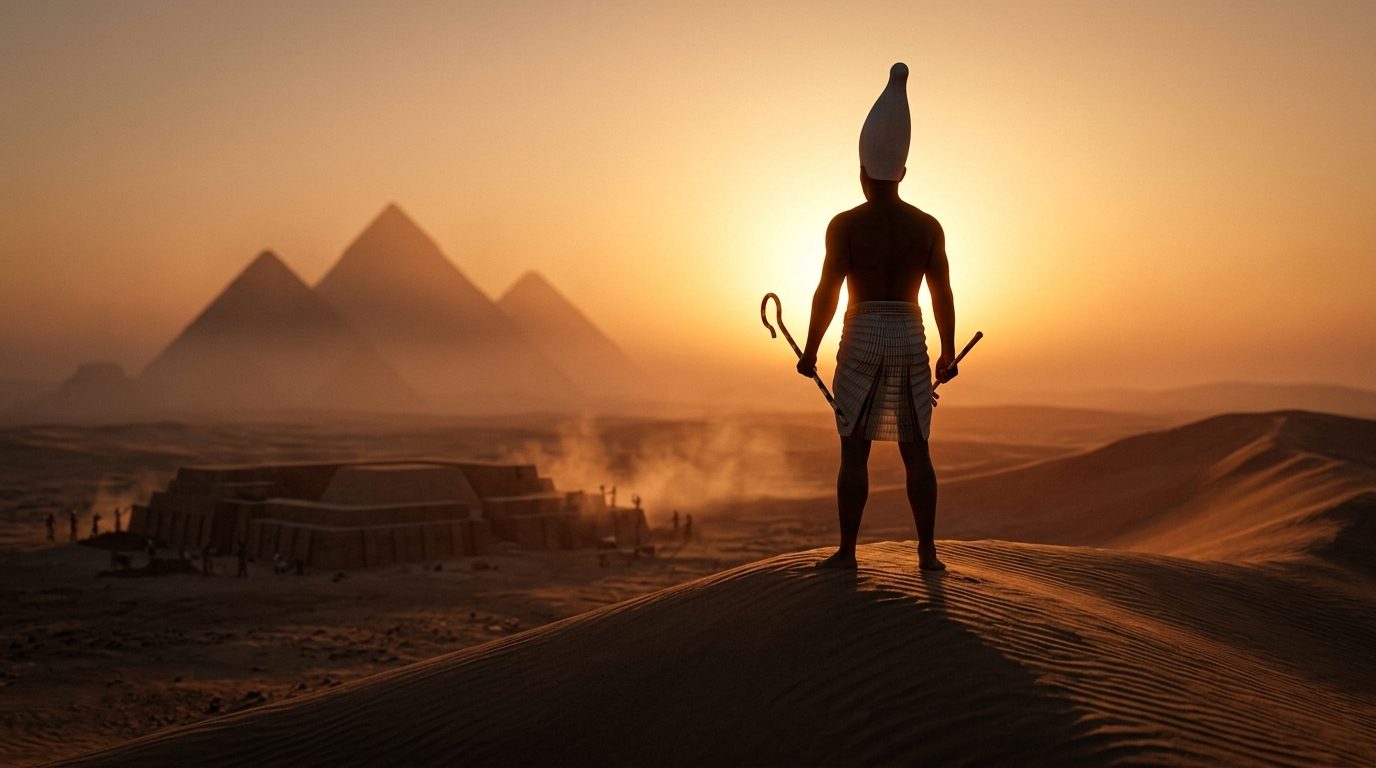
Shepseskaf came to the throne after the short reign of Menkaure. Most Egyptologists see him as Menkaure's son, although no text says so directly, and his mother is unknown. His name, "his ka is noble", is the first royal name in some time without the name of the sun god Ra. He ruled only about four years, and with him ended the family that had built the great pyramids of Dahshur and Giza.
Finishing his father's temple
THEME TWO
Menkaure had died before his pyramid temples at Giza were complete. Shepseskaf finished them quickly, using mud brick instead of stone. In the mortuary temple archaeologists found his decree, the oldest royal decree preserved from the Old Kingdom. It set up regular offerings for the dead pharaoh and freed the estate and staff of the pyramid from taxes, so that the cult of Menkaure could go on for ever.
The first year on the Palermo Stone
THEME THREE
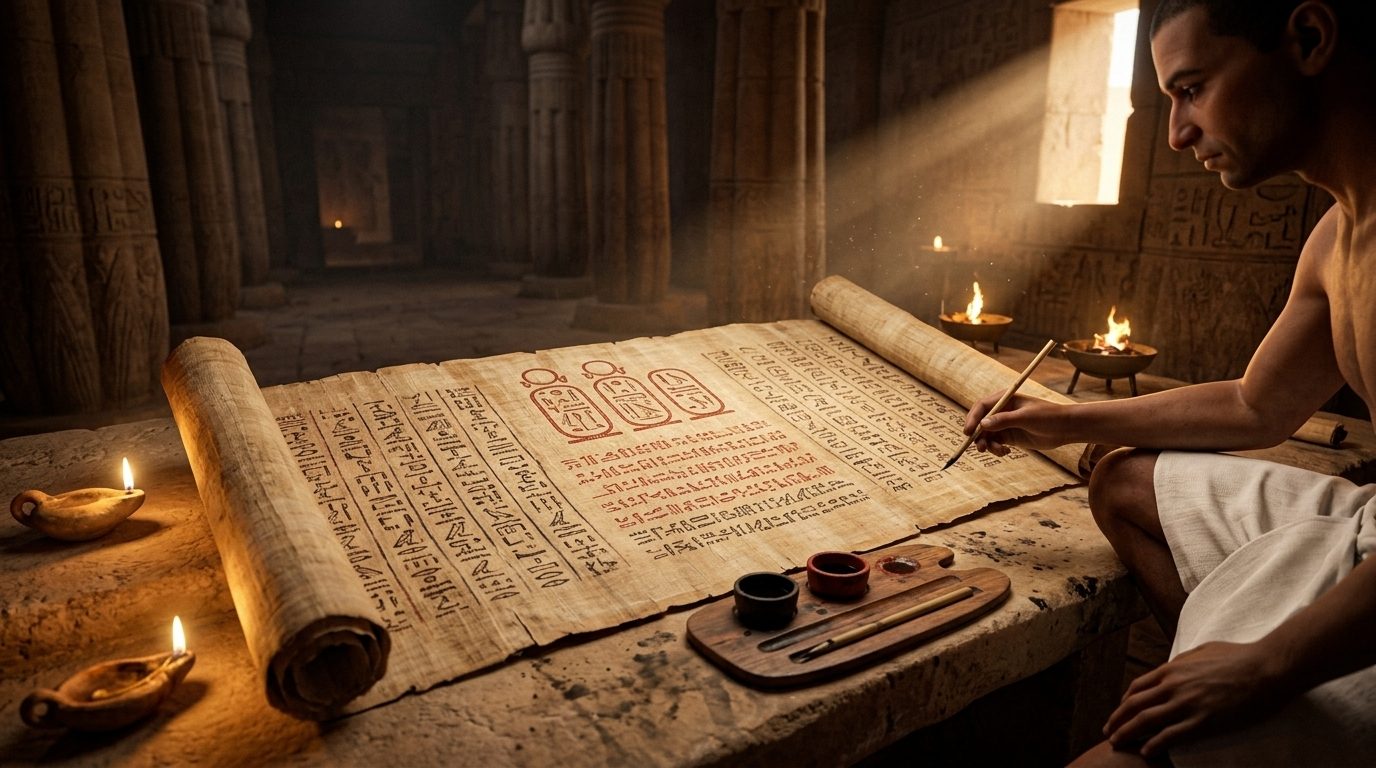
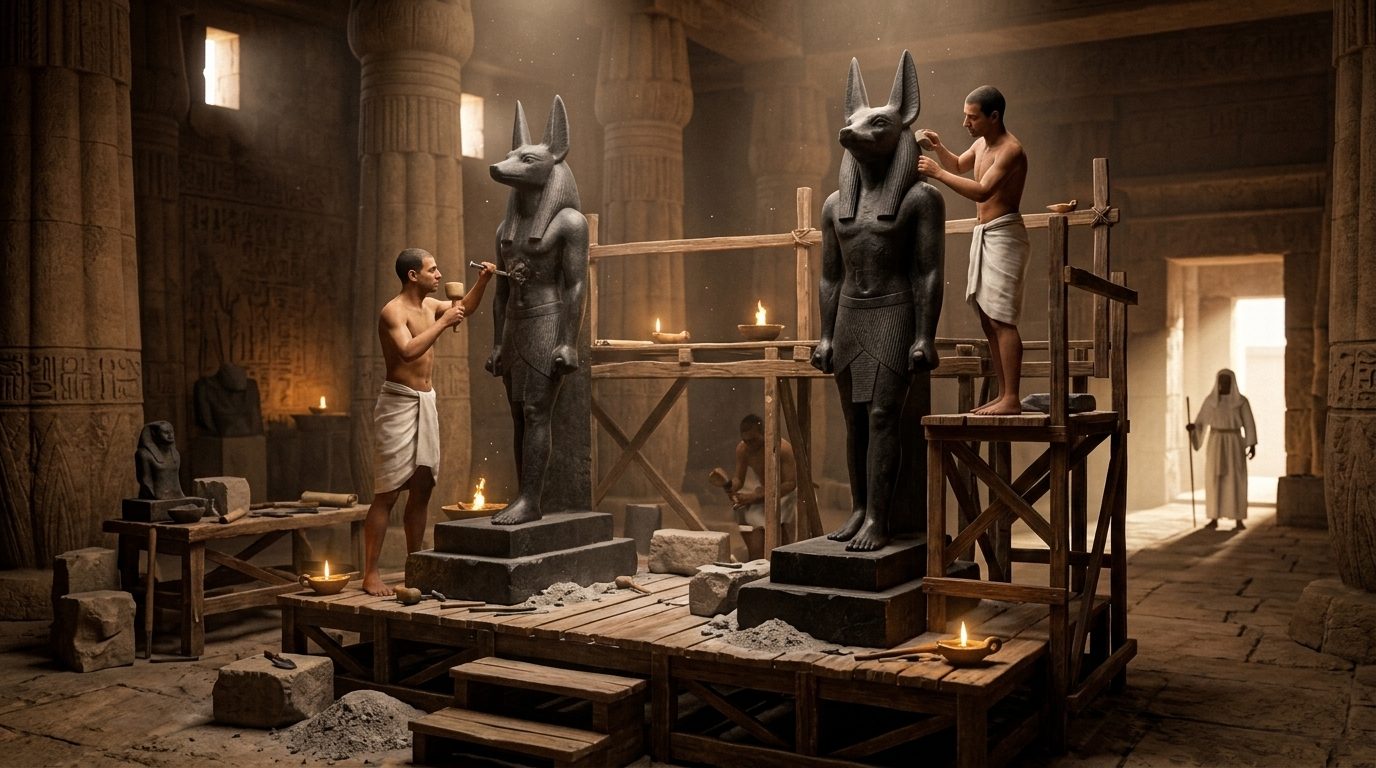
The royal annals of the Palermo Stone describe the year of his accession. The new pharaoh made the ritual "circuit of the Two Lands", celebrated a festival of the crown and had two images of the jackal god Wepwawet made. In the same year the site of his tomb was chosen, and he ordered daily offerings for a shrine of the gods. These short lines are among the few direct records of his reign.
A tomb like a giant sarcophagus
THEME FOUR
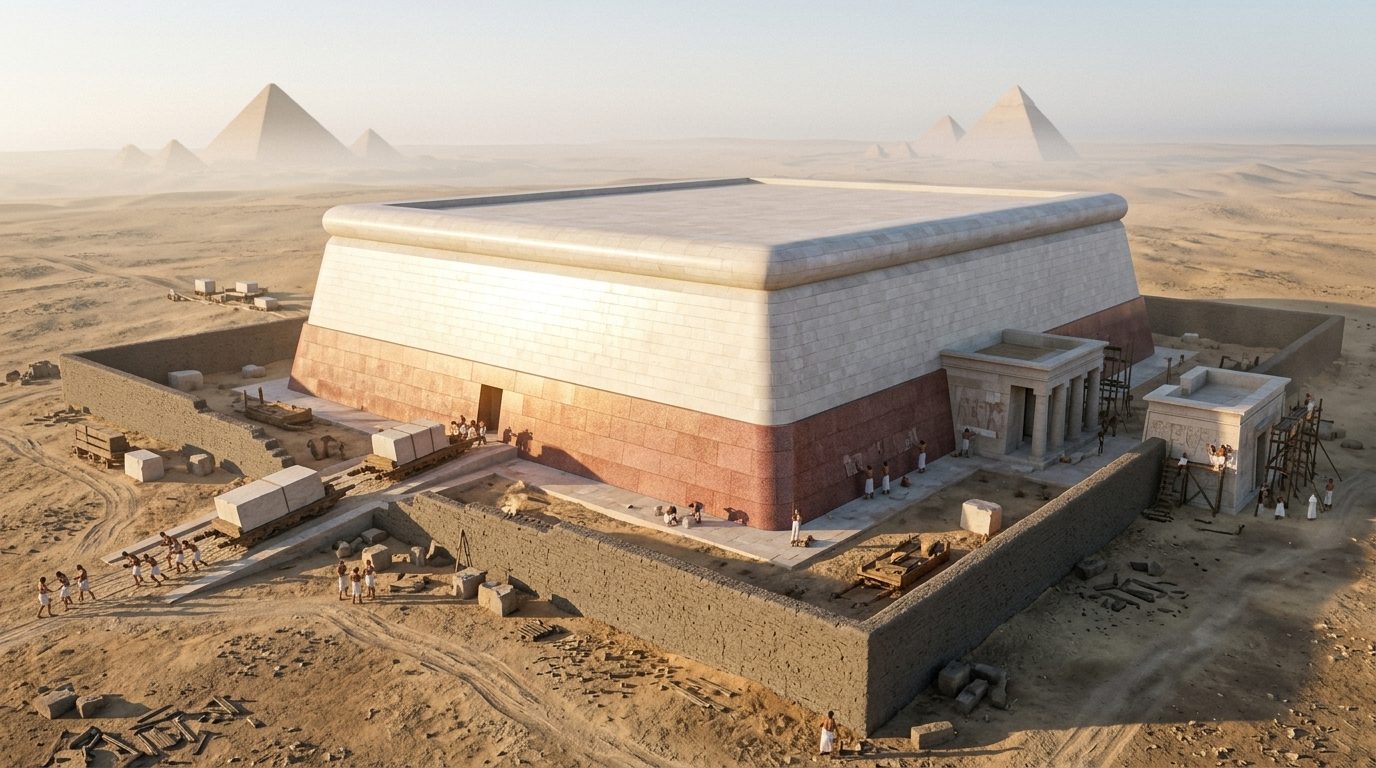
Shepseskaf left Giza and built his tomb at South Saqqara, not far from the pyramids of Sneferu at Dahshur. It is a long rectangular block about 99.6 by 74.4 metres and about 18 metres high, with raised ends that make it look like a huge stone sarcophagus or a shrine. It was cased in white limestone from Tura, with red granite in the lowest course, and the burial chamber was lined with granite. Inside, a corridor leads to the burial chamber and storerooms, much as in a pyramid. A small temple and a double wall of mud brick surrounded it.
Why not a pyramid?
THEME FIVE
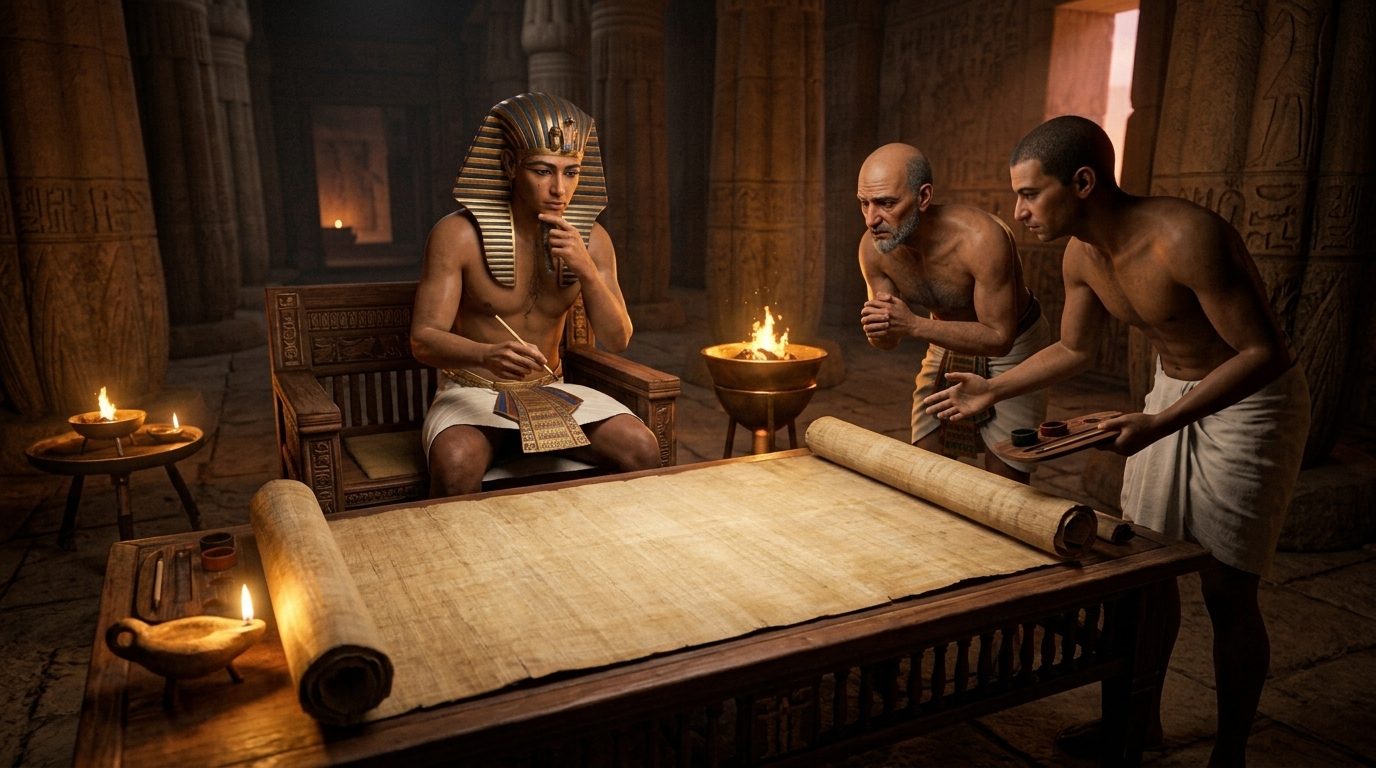
Nobody knows for sure why Shepseskaf gave up the pyramid. One old theory sees a quarrel with the powerful priests of Ra at Heliopolis, because the pyramid was linked with the sun cult and his name lacks Ra. Others think the tomb was only meant to be temporary or the first stage of a larger building, left unfinished because of his short reign. Still others point to practical reasons, such as lack of space at Giza or the nearness of good stone. The burial chamber seems never to have been used.
Queens between two dynasties
THEME SIX
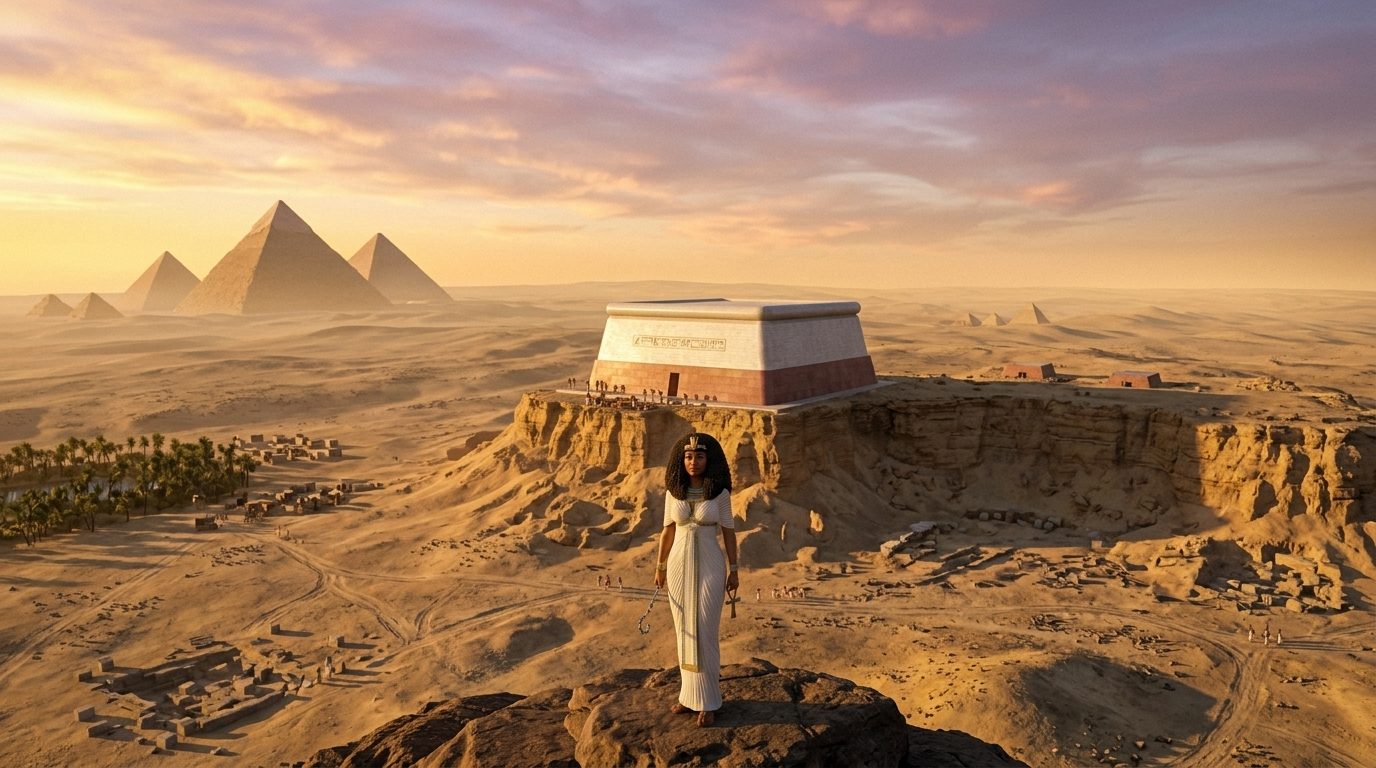
Two women at Giza are linked with Shepseskaf. Bunefer served as a priestess in his funerary cult and may have been his wife or daughter. Queen Khentkaus I built at Giza a large tomb that looks much like his own, and her titles may call her the mother of two pharaohs. Some Egyptologists see her as Shepseskaf's wife and a link between the Fourth and the Fifth Dynasties, but her family ties are still debated. Manetho places a pharaoh Thamphthis after Shepseskaf, but no monument of such a pharaoh is known.
Summary
THEME SEVEN
Shepseskaf closed the age of the great pyramid builders of Giza. He honoured his father by completing his temple and protecting his cult, but for himself he chose a different kind of tomb. After him the pharaohs of the Fifth Dynasty returned to the pyramid, smaller than before, and built temples to the sun beside it.
Key dates
- 2441 BCEShepseskaf becomes pharaoh after Menkaure, according to E. Hornung (2006). The site of his tomb is chosen in his first year.
- Early in his reignMenkaure's temples at Giza are completed in mud brick, and a decree protects his cult.
- 2436 BCEEnd of Shepseskaf's reign and of the Fourth Dynasty. Userkaf founds the Fifth Dynasty.