
Home · Ancient History · Ancient Egypt · Old Kingdom
Sahure
Sahure was the son of Userkaf and the second pharaoh of the Fifth Dynasty. In the chronology of E. Hornung (2006) he reigned from 2428 to 2416 BCE. He was the first pharaoh to build his pyramid at Abusir, and the reliefs of his temple are the finest of the Old Kingdom. His ships sailed to Byblos on the coast of Lebanon and to the distant land of Punt, and his expeditions worked the mines of Sinai and the quarries of Nubia.
- Reign
- 2428 – 2416 BCE (E. Hornung, 2006). The Turin Canon gives 12 years, Manetho 13. The Palermo Stone recorded his reign up to his death, probably in his 13th or 14th year
- Dynasty
- 5th
- Predecessor
- Userkaf, his father
- Successor
- Neferirkare Kakai, his son, called Ranefer before he became pharaoh
- Royal names
- Horus name Nebkhau, "lord of appearances". Birth name Sahure, "he who is close to Ra"
- Manetho
- Sephres, 13 years
- Burial
- His pyramid at Abusir, called Khaba-Sahure, "the ba of Sahure appears"
- Main sources
- His pyramid complex at Abusir with its reliefs, the Palermo Stone, the Turin Canon, inscriptions in Sinai and Nubia, the false door of his physician Niankhsekhmet, a statue in the Metropolitan Museum of Art in New York
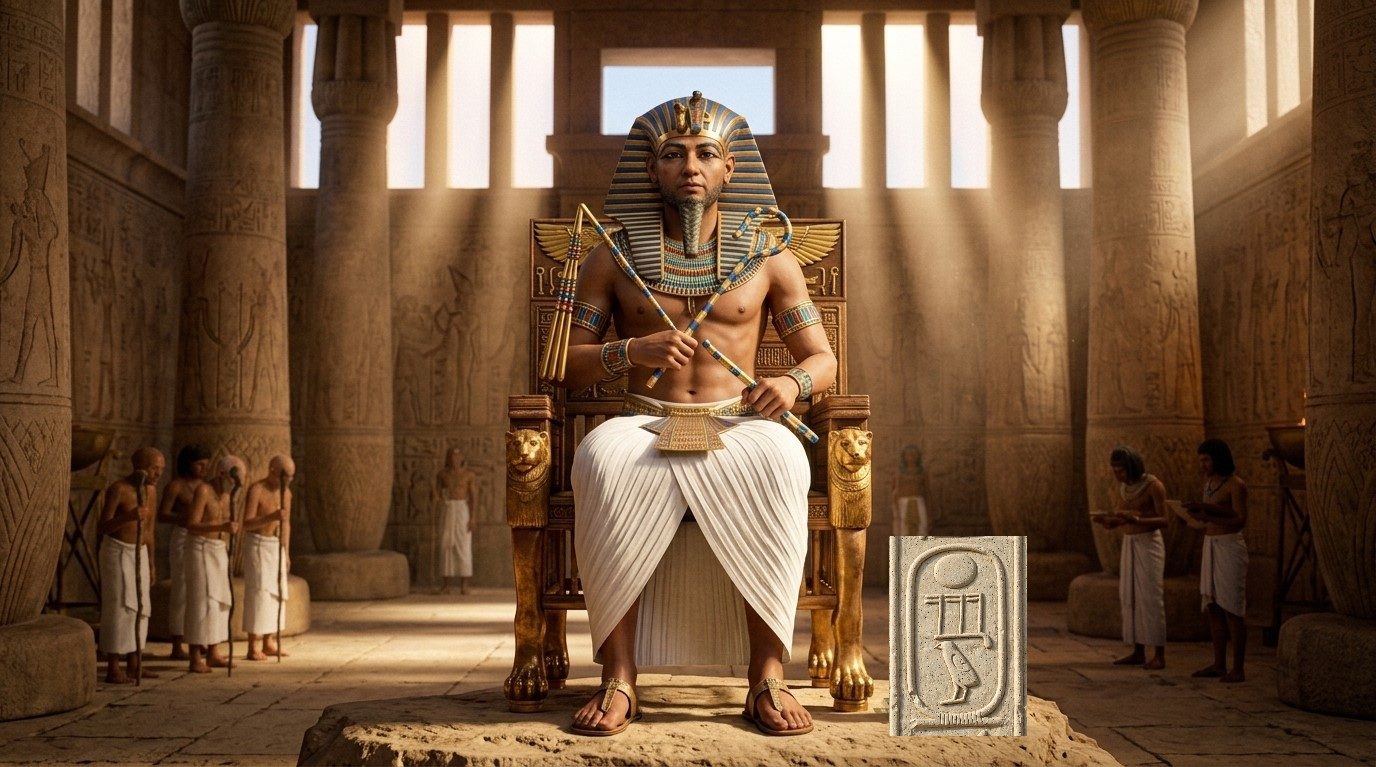
The son of Userkaf
THEME ONE
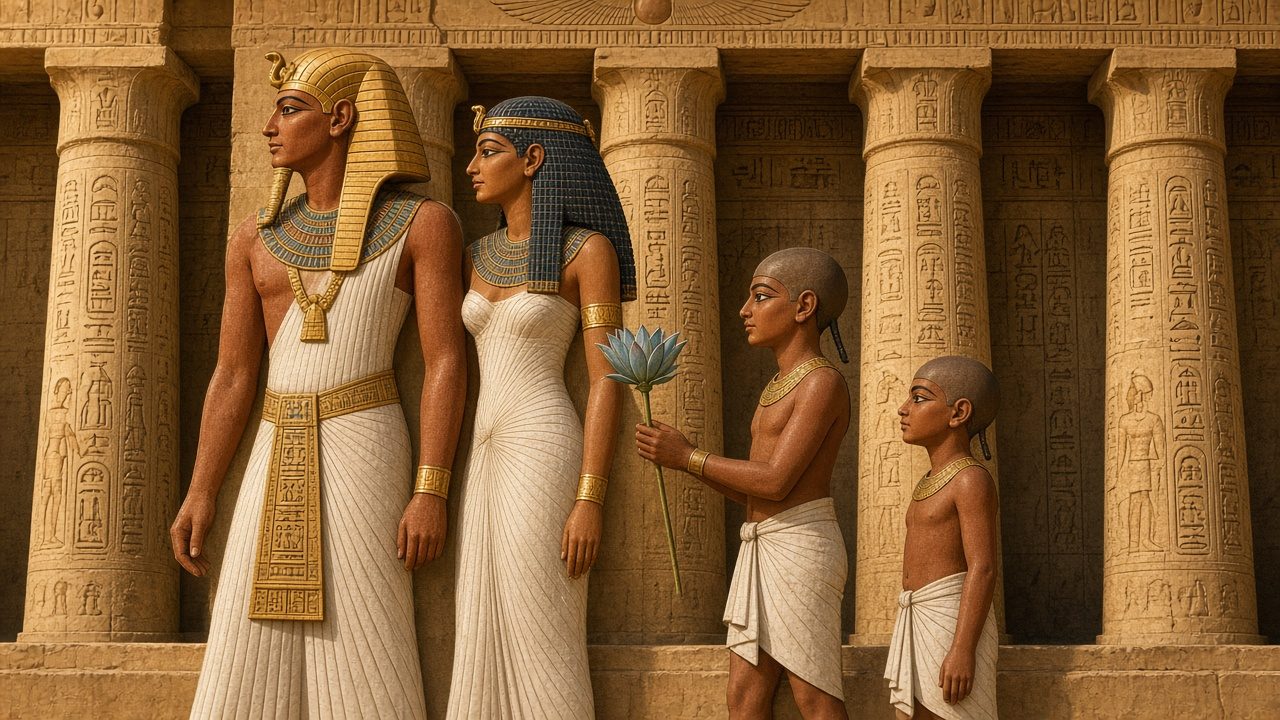
Sahure was the son of Userkaf and Queen Neferhetepes. Reliefs found in 2005 on his causeway at Abusir show him with his wife Meretnebty and two sons, Ranefer and Netjerirenre. Ranefer later became pharaoh as Neferirkare Kakai, and his name was changed in the reliefs to fit his new royal name. So the old belief, based on the Westcar Papyrus, that Sahure and Neferirkare were brothers, is wrong.
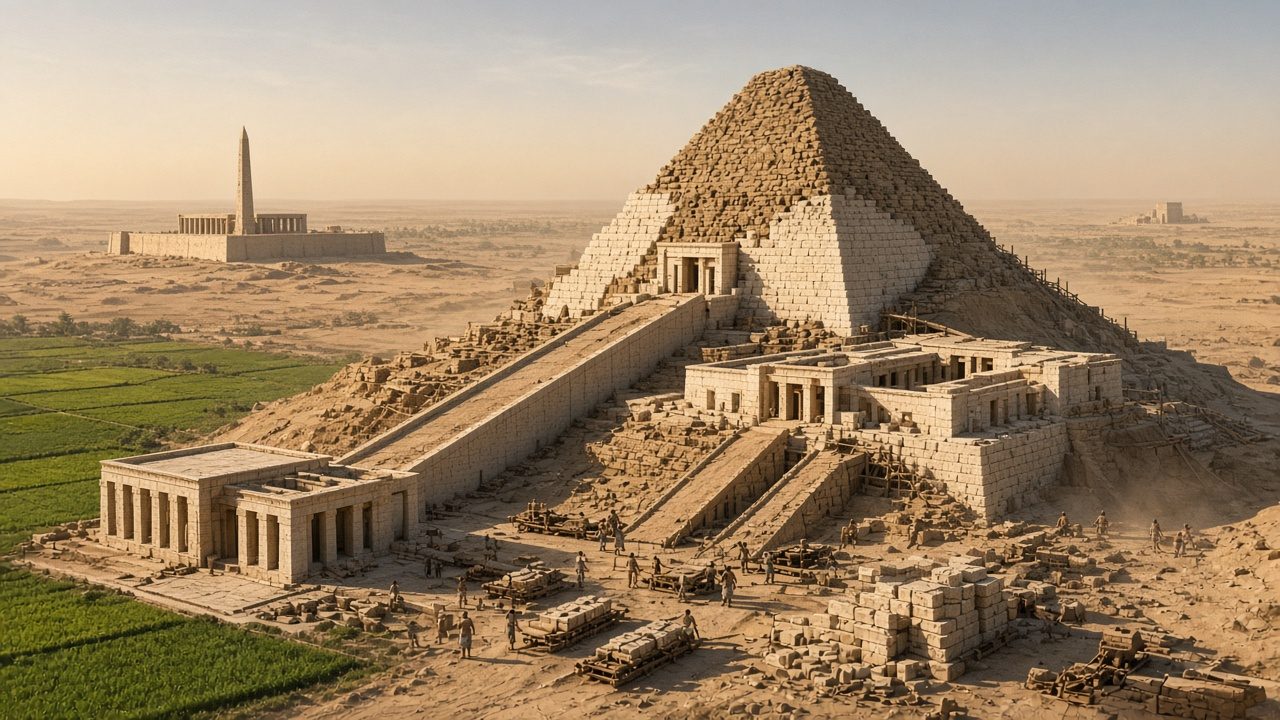
The first pyramid at Abusir
THEME TWO
Sahure chose Abusir, near his father's sun temple, for his pyramid, and three of his successors followed him there. His pyramid was about 47 metres high with a base of about 79 metres. Its core was built of rough stone and mortar, cheaper and faster than the solid blocks of Giza, and today it is a ruined mound. A valley temple at the edge of the fields, a covered causeway and a mortuary temple completed the complex. Sahure also founded a sun temple called Sekhetre, "the field of Ra", which has not yet been found.
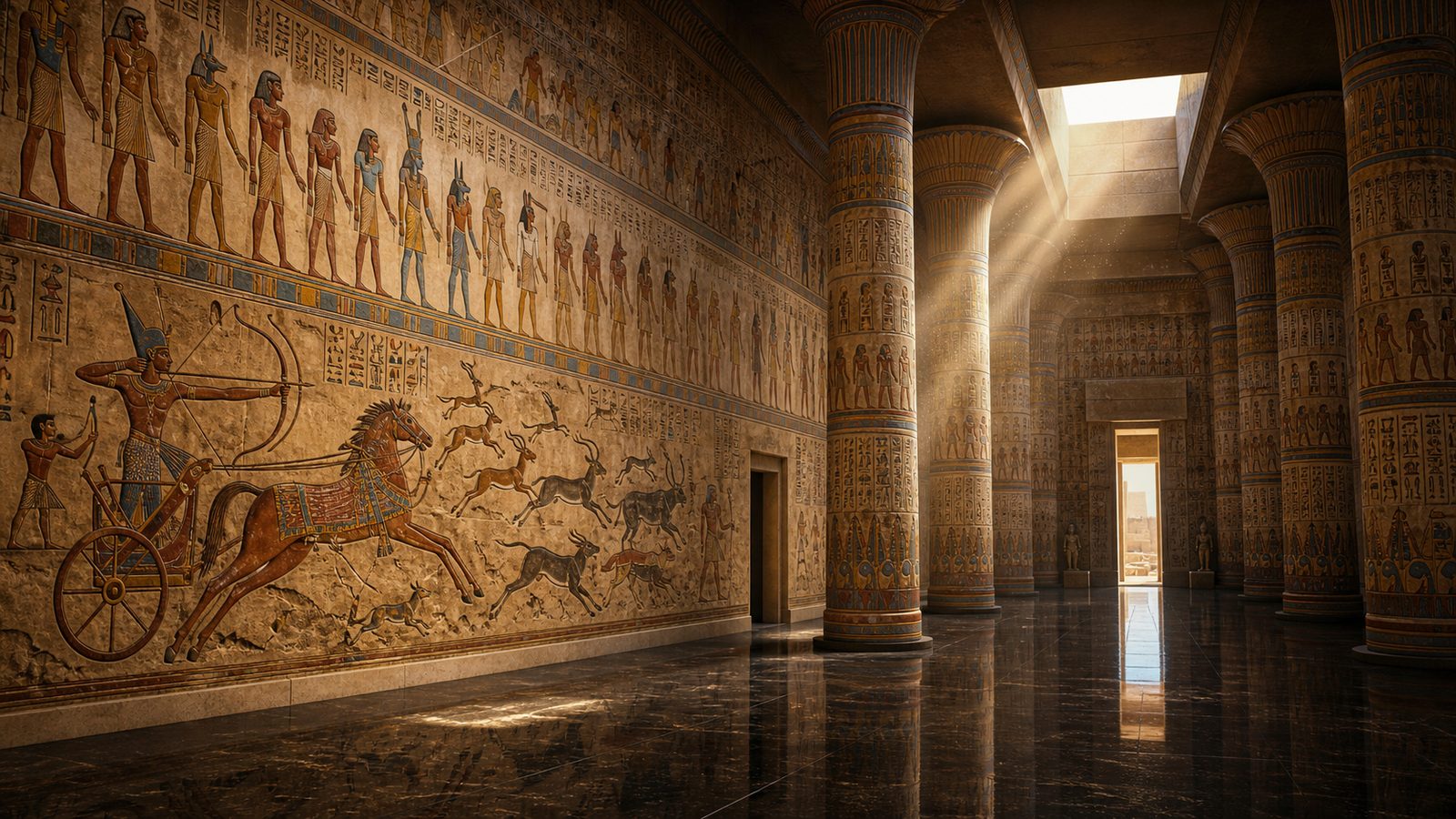
A temple of reliefs
THEME THREE
The mortuary temple of Sahure was decorated with about 10,000 square metres of painted reliefs, the high point of this art in the Old Kingdom. It had a floor of black basalt, granite pillars and the first palm-shaped columns known in an Egyptian temple. The reliefs show the pharaoh hunting in the desert, gods leading rows of prisoners, and a victory over the Libyans with huge numbers of captured cattle, sheep and goats. Such scenes were royal propaganda rather than a report, and later pharaohs, among them Pepi II, copied them in their own temples.
Ships to Byblos and Punt
THEME FOUR
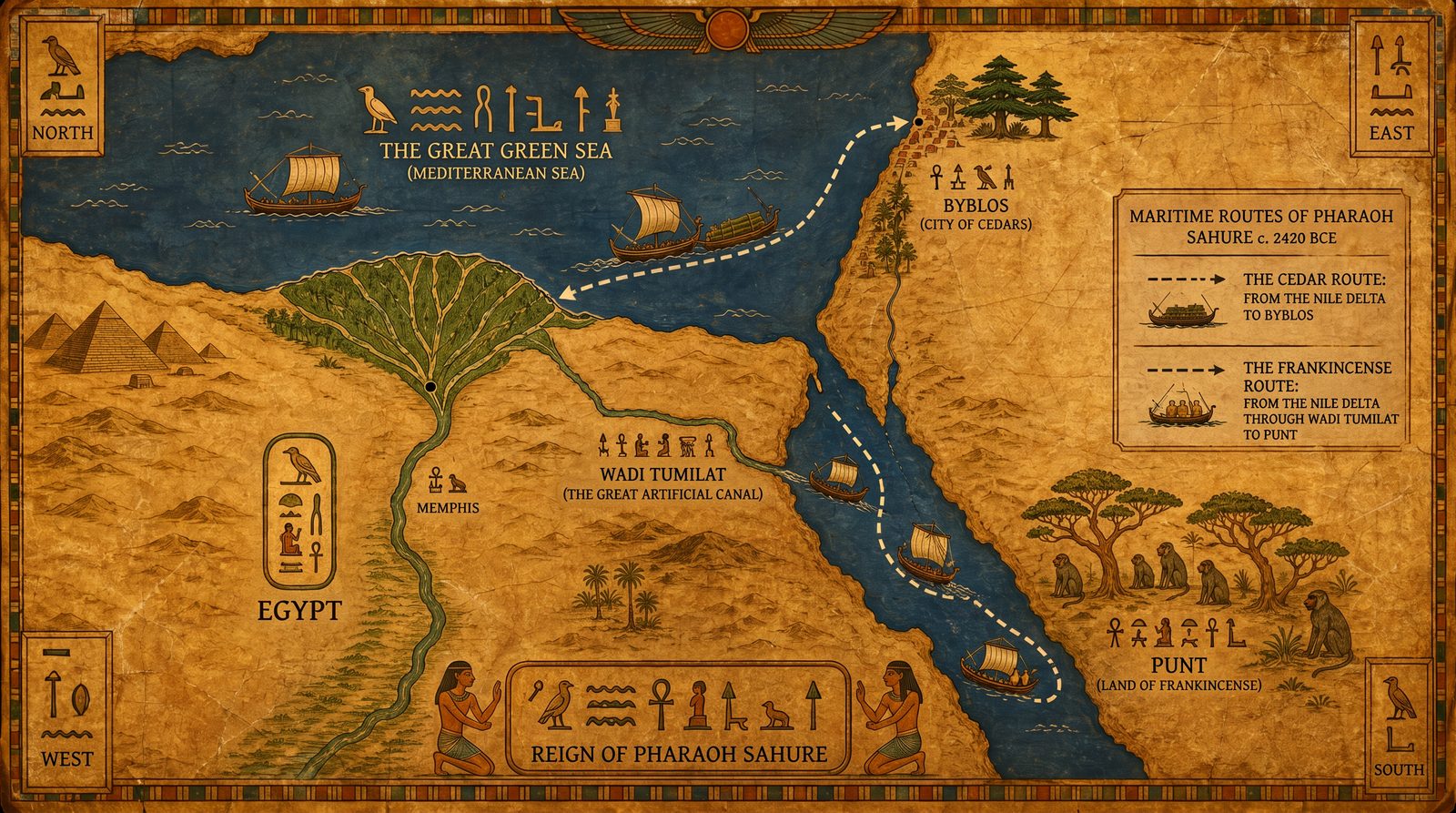
Reliefs on Sahure's causeway and in his temple show sea-going ships returning from the Levant with cedar logs and foreigners on board, among the earliest clear pictures of such ships in Egypt. A stone bowl with his name was found in the temple of the Lady of Byblos in Lebanon, the main source of cedar wood. In his last year, according to the Palermo Stone, an expedition came back from the land of Punt, probably on the coast of the Red Sea in the region of Eritrea or Somalia, with myrrh, electrum, malachite and precious wood.
Turquoise, copper and diorite
THEME FIVE
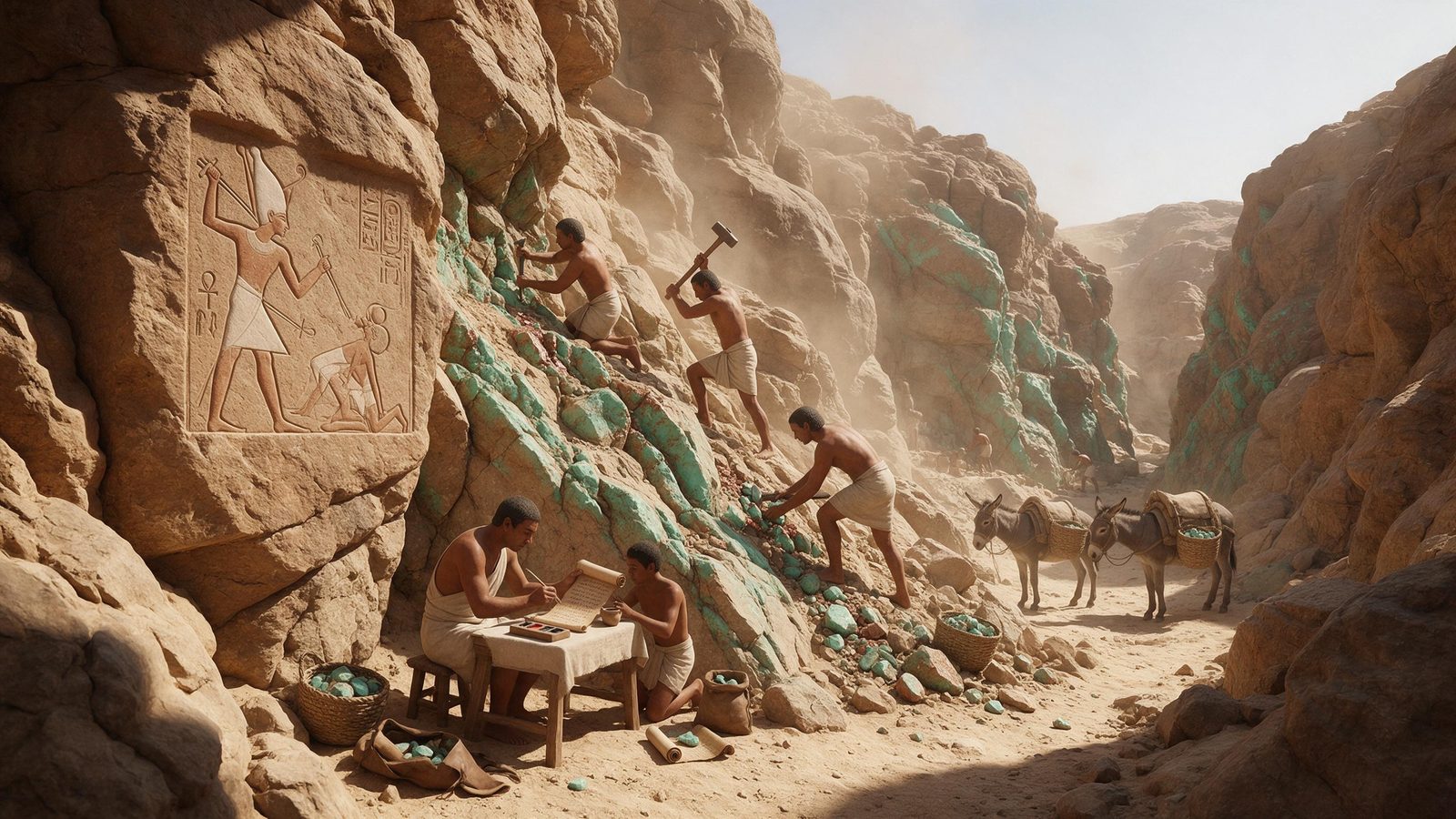
Expeditions of Sahure went to the copper and turquoise mines of Wadi Maghara and Wadi Kharit in Sinai, where a rock relief shows the pharaoh striking down a local chief. One expedition brought back more than 6,000 units of turquoise. Far in the south, near the later temple of Abu Simbel, his workmen quarried a hard dark stone called diorite gneiss for royal statues, and his name was carved at Buhen and Tumas in Nubia. In 2015 Belgian archaeologists found the lower part of a statue of Sahure at Elkab in Upper Egypt.
The pharaoh and his physician
THEME SIX
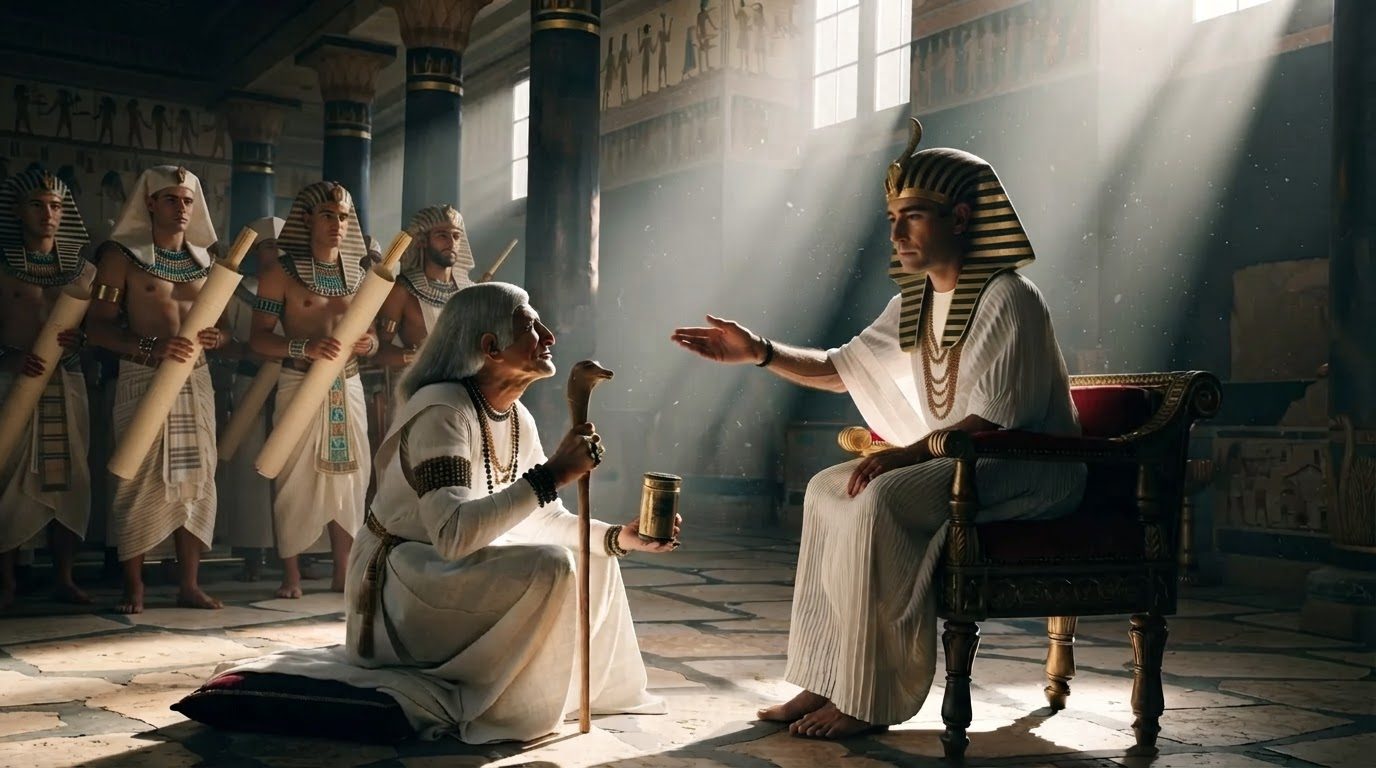
An inscription in the tomb of the chief physician Niankhsekhmet tells how he asked the pharaoh for a false door for his tomb. Sahure had it made of fine limestone from Tura, painted blue, and came every day to watch the work, wishing his physician a long life. Sahure himself was long remembered. His mortuary cult lasted about three centuries, and in the New Kingdom his ruined temple became a place of pilgrimage for a goddess called "Sekhmet of Sahure", worshipped there until Ptolemaic times.
Summary
THEME SEVEN
Sahure made Abusir the royal cemetery of the Fifth Dynasty and gave his temple the most splendid reliefs of the age. His ships and expeditions reached Lebanon, Punt, Sinai and Nubia, and Egyptians still honoured his temple more than two thousand years after his death.
Key dates
- 2428 BCESahure becomes pharaoh after his father Userkaf, according to E. Hornung (2006).
- His last yearAn expedition returns from the land of Punt with myrrh, electrum and precious wood.
- 2416 BCEDeath of Sahure and burial in his pyramid at Abusir. His son Neferirkare Kakai succeeds him.