
Home · Ancient History · Ancient Egypt · Old Kingdom
Neferefre
Neferefre, also called Raneferef, was the eldest son of Neferirkare Kakai and Queen Khentkaus II. In the chronology of E. Hornung (2006) he ruled about 2403 BCE. He died young, after a reign of about two years, and his pyramid at Abusir was left unfinished. Yet thanks to Czech excavations he is now one of the best-documented pharaohs of his dynasty: his remains, many of his statues and a large archive of papyri have been found.
- Reign
- About 2403 BCE (E. Hornung, 2006), probably not longer than two years. The Turin Canon gives about one year. Manetho gives 20, much too many
- Dynasty
- 5th
- Predecessor
- Shepseskare, in the order of E. Hornung (2006). Many Egyptologists see his father Neferirkare Kakai as his direct predecessor
- Successor
- Nyuserre Ini, his younger brother
- Royal names
- Horus name Neferkhau, "perfect of appearances". Throne name Neferefre, "Ra is beautiful". Birth name Isi
- Manetho
- Cheres, 20 years
- Burial
- His unfinished pyramid at Abusir, called Netjeribau-Raneferef, "divine are the bas of Raneferef", completed after his death as a low square building
- Main sources
- His tomb and mortuary temple at Abusir with his remains, statues and papyri, excavated by Czech archaeologists, the Turin Canon, the tomb of the official Ti at Saqqara
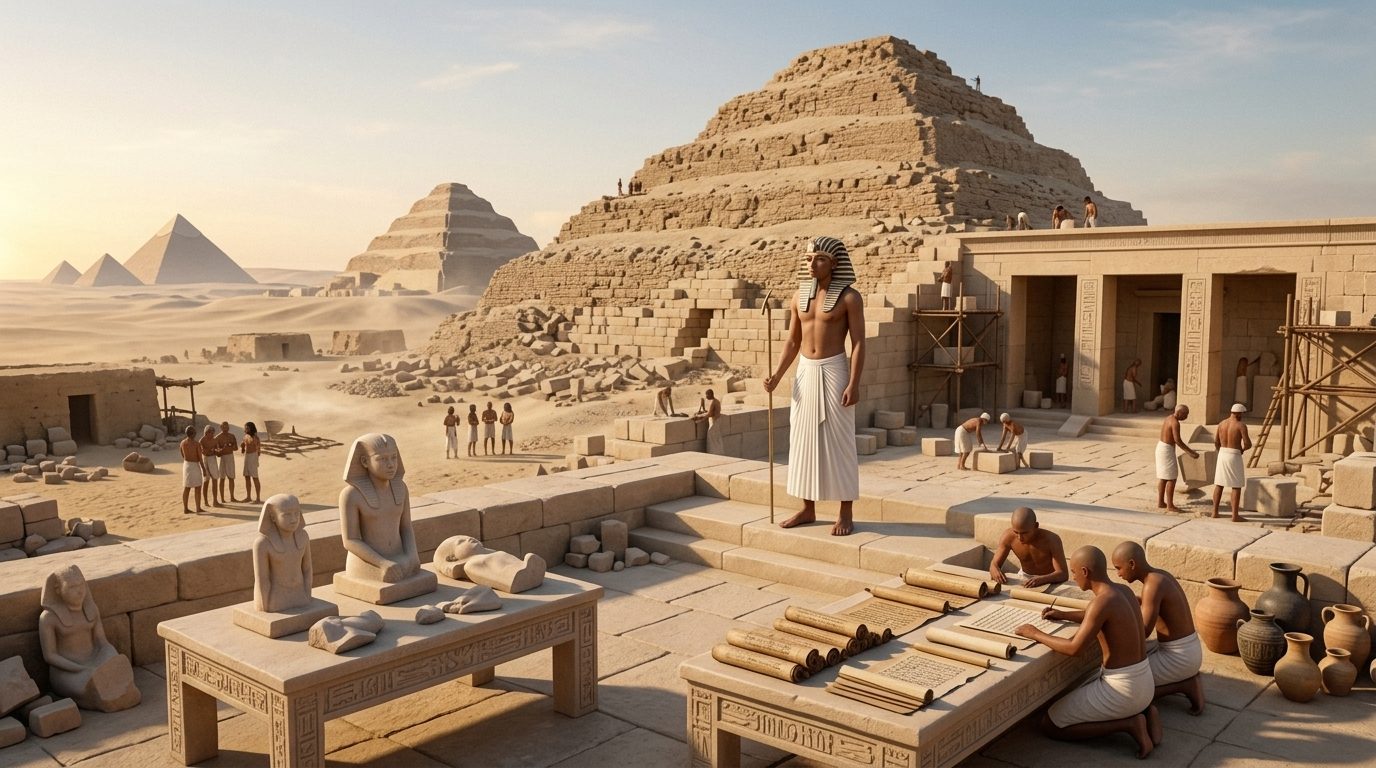
The eldest son
THEME ONE
Neferefre was the eldest son of Neferirkare Kakai and Queen Khentkaus II. A relief from Abusir shows him as a prince standing with his parents, as the heir to the throne. When his father died with his great pyramid unfinished, Neferefre became pharaoh. His younger brother was the future pharaoh Nyuserre, who would later complete the tombs of the whole family.
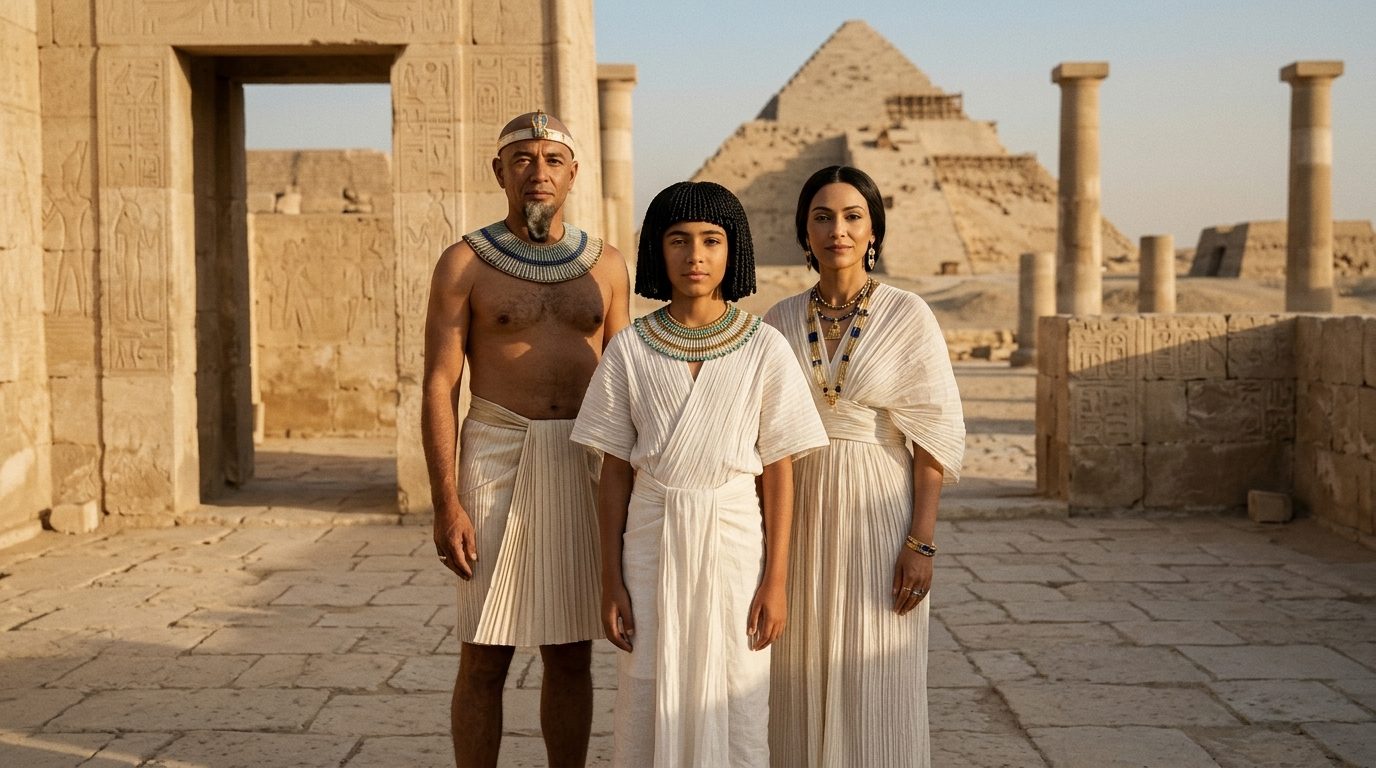
A short reign and an early death
THEME TWO
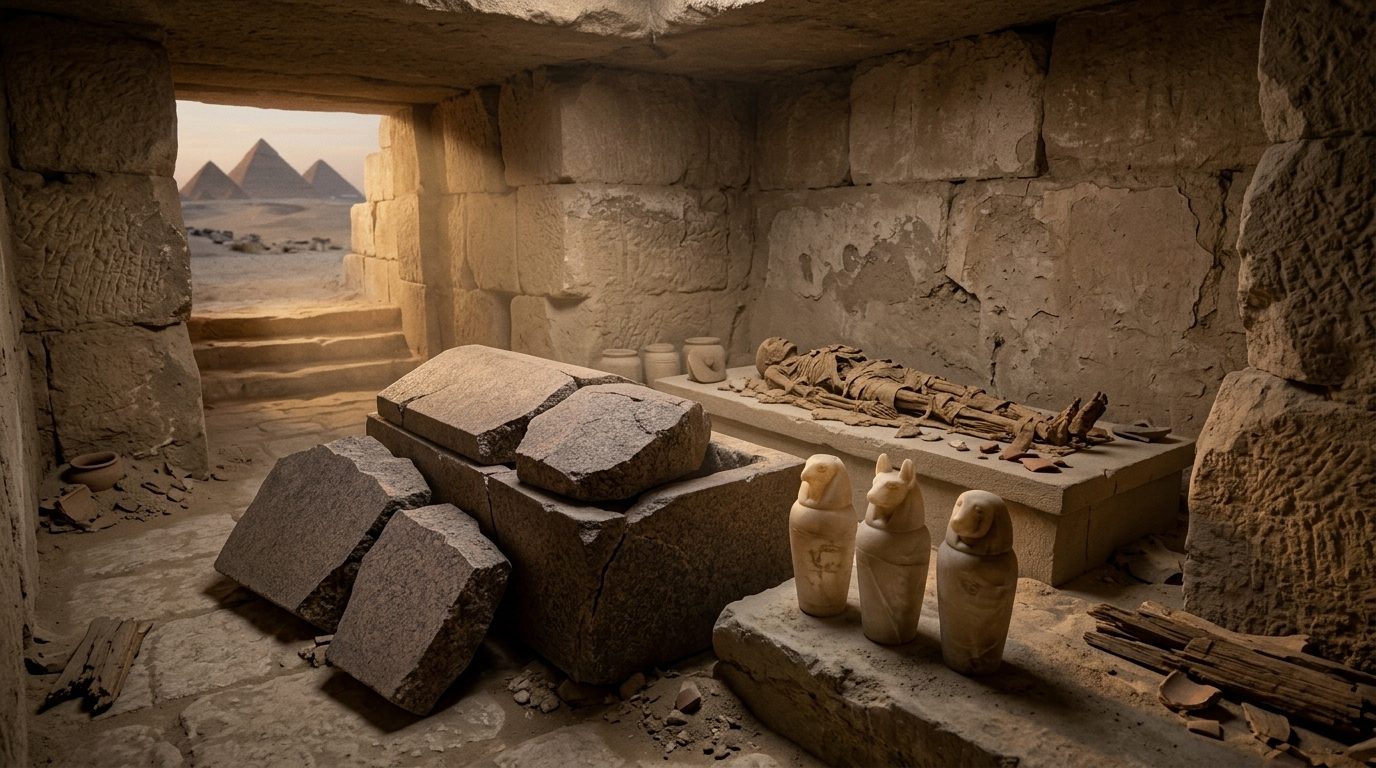
Neferefre reigned for about two years at most. In the burial chamber of his pyramid Czech archaeologists found fragments of his granite sarcophagus, alabaster canopic jars and parts of his mummy. The remains belong to a man of 20 to 23 years and about 1.68 metres tall. They are among the few royal remains that survive from the Old Kingdom and show that the pharaoh died very young.
A pyramid turned into a mound
THEME THREE
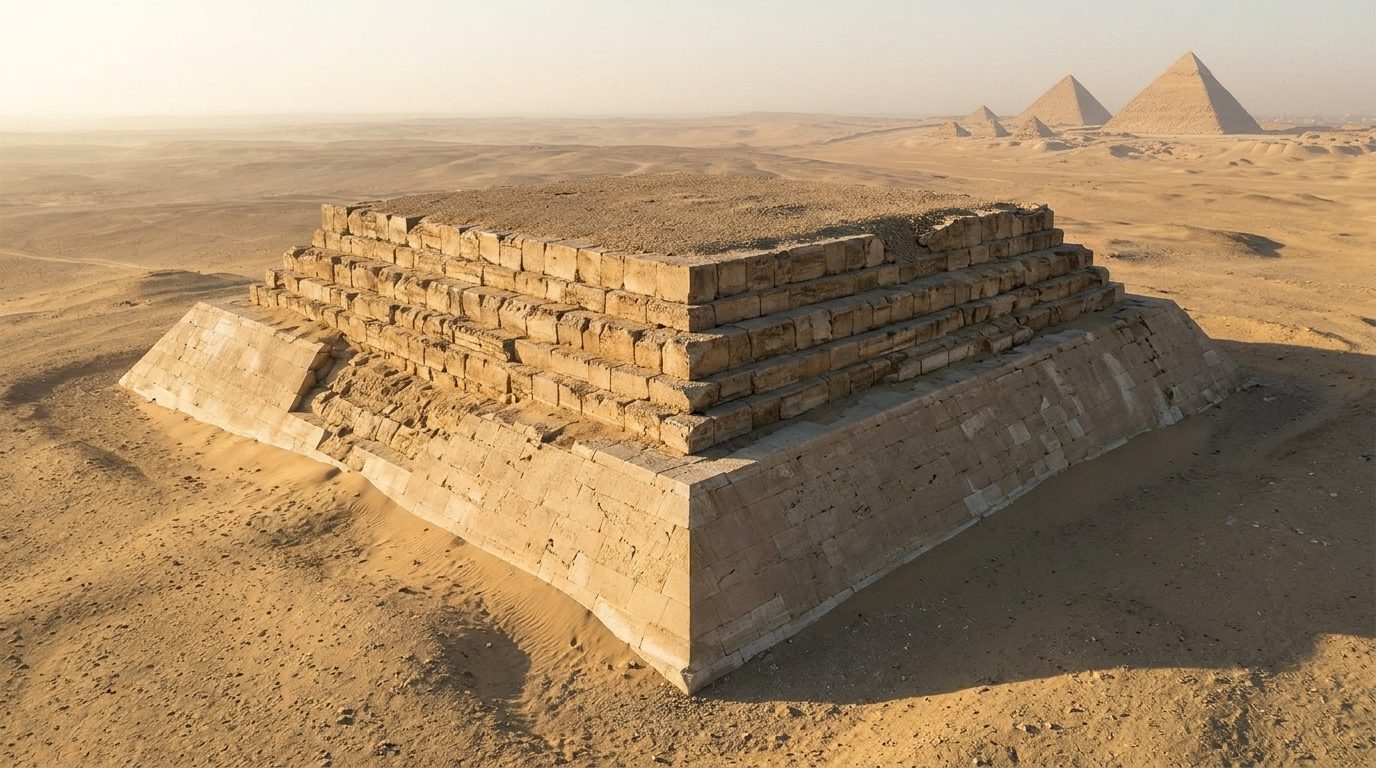
Neferefre's pyramid at Abusir was planned with a base of more than 100 metres, larger than those of Userkaf and Sahure. When he died only the lowest courses, about 7 metres high, had been built. His brother Nyuserre finished it in a simple way: the stump received a sloping casing of limestone and a flat top of clay and gravel. The result looked like a low square mastaba, and the Egyptians themselves seem to have called it "the Mound", perhaps an image of the hill that rose from the waters at the creation of the world.
A temple full of statues
THEME FOUR
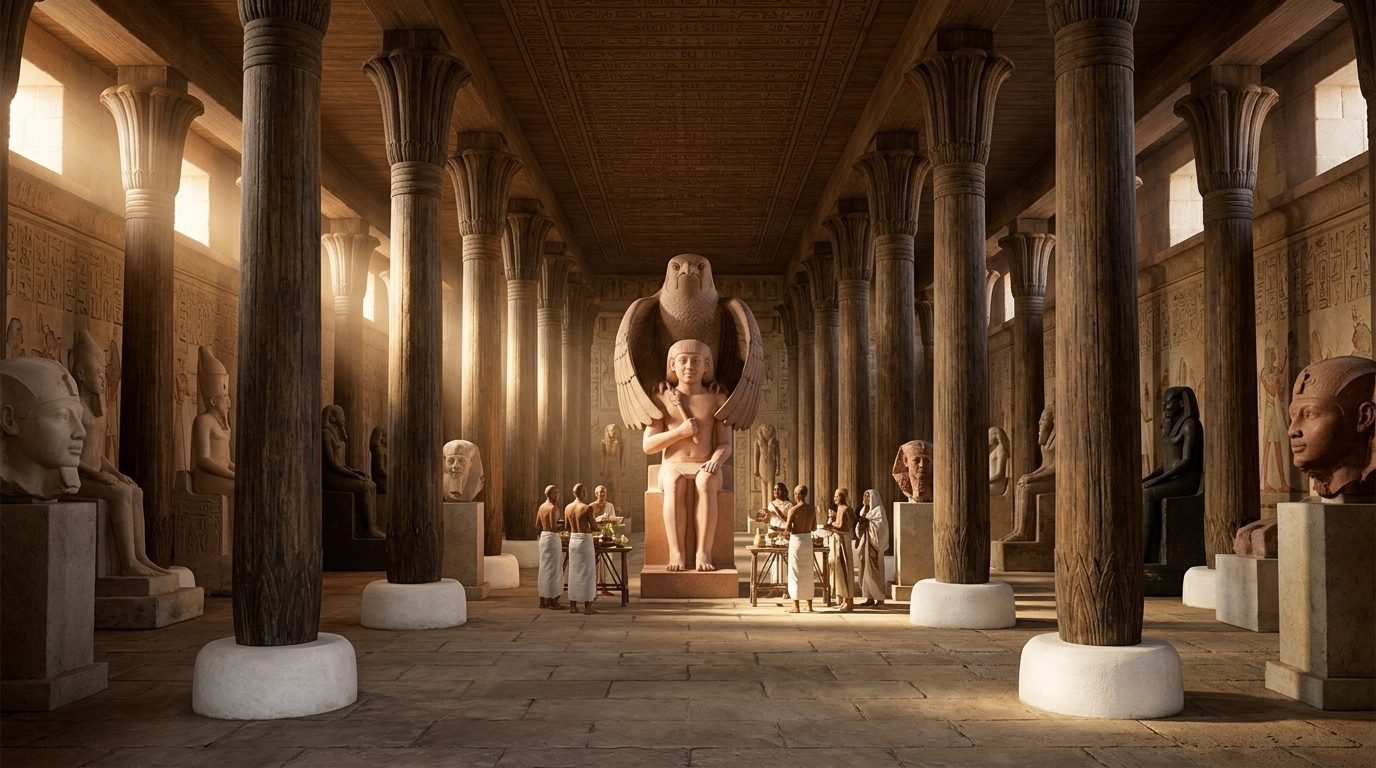
Beside the tomb a mortuary temple was built, first of stone and then enlarged in mud brick under Nyuserre. It contained the earliest known hall with many wooden columns. In its storerooms the archaeologists found fragments of many statues of the pharaoh in limestone, basalt and granite, including six royal heads, more than for any other pharaoh of the dynasty. The finest, now in the Egyptian Museum in Cairo, shows the pharaoh with the falcon of Horus spreading its wings behind his head, like the famous statue of Khafre. Statues of bound prisoners were also found.
The sanctuary of the knife
THEME FIVE
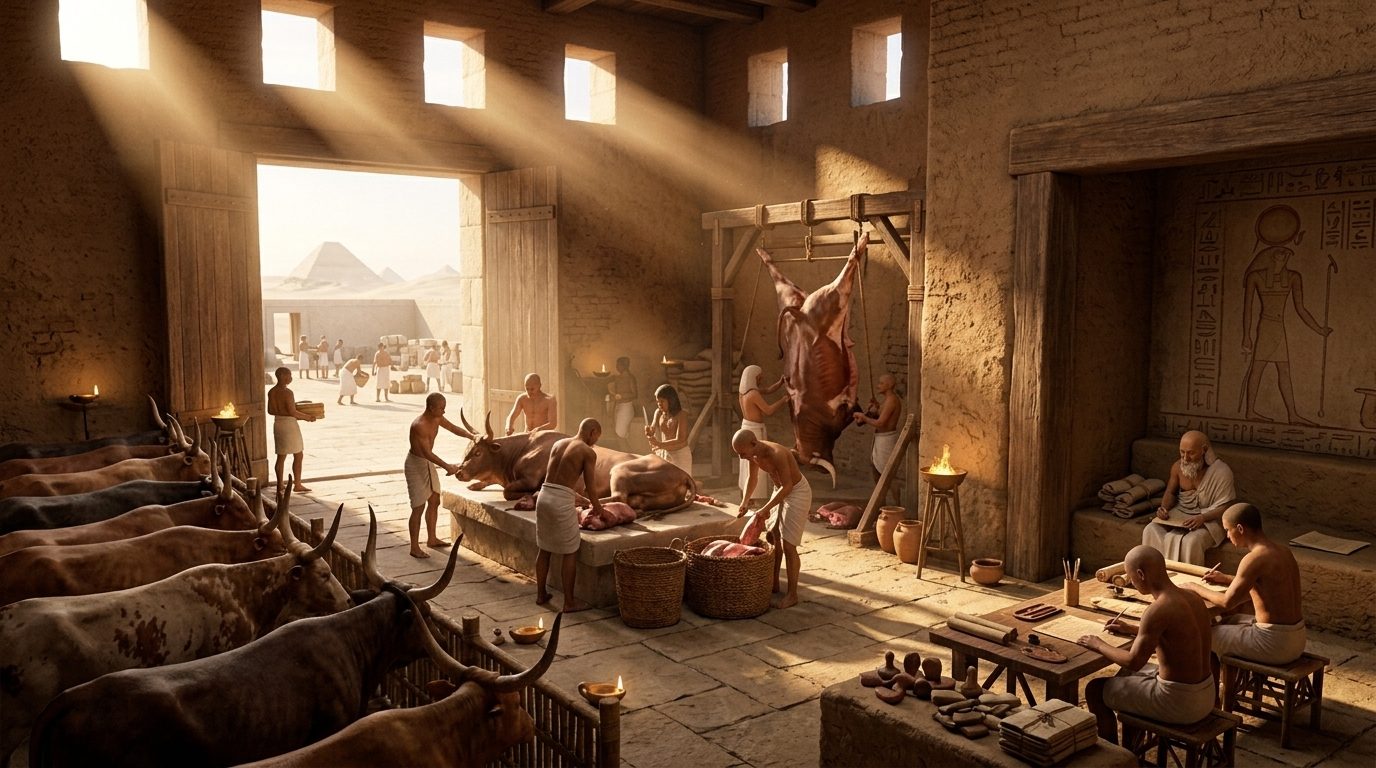
Next to the temple stood a slaughterhouse called "the sanctuary of the knife", where bulls were killed for the offerings of the royal cult. According to the temple records, up to 130 bulls could be slaughtered for a single festival. In 1982 the Czech team found in a storeroom of the temple a second large archive of papyri, comparable to the Abusir Papyri of Neferirkare. Together the two archives are the main source for the economy of the royal temples of the Old Kingdom.
A sun temple on paper
THEME SIX
Like his father, Neferefre began a temple for the sun god, called Hotepre, "Ra is content" or "the offering table of Ra". It is known only from the titles of priests in the tomb of the official Ti at Saqqara, and it may never have been finished. For a long time Neferefre was one of the most obscure pharaohs of his dynasty. The excavations directed by Miroslav Verner from the 1980s onwards made his small tomb one of the richest sources of the Old Kingdom.
Summary
THEME SEVEN
Neferefre ruled for too short a time to finish his pyramid or his sun temple. But his tomb, completed by his brother, kept his remains, his statues and the records of his cult, and few pharaohs of the Old Kingdom can be seen as closely as this young pharaoh.
Key dates
- About 2403 BCENeferefre becomes pharaoh, according to E. Hornung (2006).
- About two years laterDeath of the young pharaoh. His brother Nyuserre completes his tomb and temple.
- Since the 1980sCzech archaeologists excavate his tomb and temple and find statues, papyri and his remains.