
Home · Ancient History · Ancient Egypt · Old Kingdom
Neferirkare Kakai
Neferirkare Kakai was the son of Sahure and the third pharaoh of the Fifth Dynasty. In the chronology of E. Hornung (2006) he reigned from 2415 to 2405 BCE. He was the first pharaoh to use regularly two names in cartouches, a throne name and a birth name. His pyramid at Abusir was planned as the largest of the dynasty but was never finished. Its temple produced the Abusir Papyri, the oldest large archive of written documents from Egypt.
- Reign
- 2415 – 2405 BCE (E. Hornung, 2006). The figure in the Turin Canon is lost. The Palermo Stone mentions his 5th cattle count, which points to about ten years. Manetho gives 20
- Dynasty
- 5th
- Predecessor
- Sahure, his father
- Successor
- Shepseskare, in the order of E. Hornung (2006), then his son Neferefre. Many Egyptologists place Neferefre first
- Royal names
- Horus name Userkhau, "strong of appearances". Throne name Neferirkare, "beautiful is the ka of Ra". Birth name Kakai
- Manetho
- Nephercheres, 20 years
- Burial
- His pyramid at Abusir, called Ba-Neferirkare, "Neferirkare is a ba"
- Main sources
- His pyramid complex at Abusir, the Abusir Papyri, the Palermo Stone, reliefs on Sahure's causeway, the tombs of the courtiers Rawer and Washptah
Prince Ranefer becomes pharaoh
THEME ONE
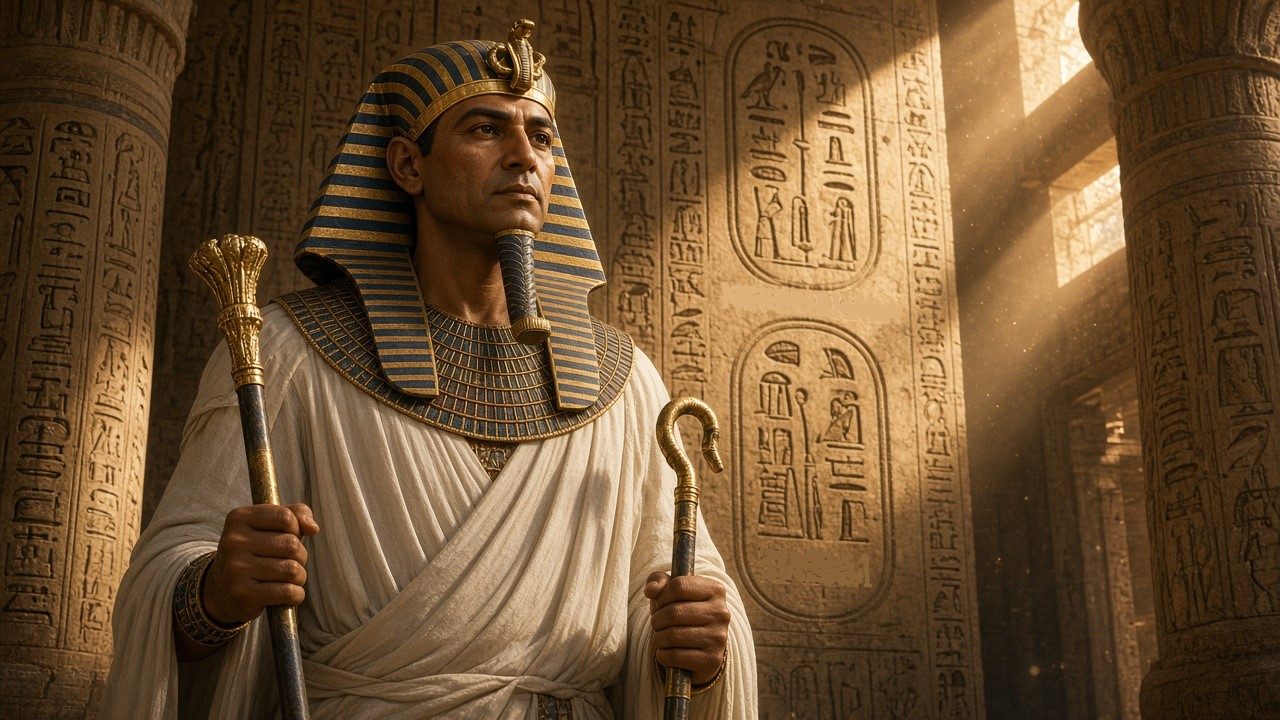
Before he became pharaoh, Neferirkare was called Prince Ranefer. Reliefs on the causeway of his father Sahure show him as the pharaoh's eldest son, and after his accession his name there was changed to his royal names. His wife was Queen Khentkaus II, who was buried in a small pyramid beside his. She was the mother of two later pharaohs, Neferefre and Nyuserre, and was later worshipped at Abusir.
Two names in cartouches
THEME TWO
Neferirkare made the last important change to the titles of the pharaohs. Until then a pharaoh was usually known by one name in a cartouche. He used two: the throne name Neferirkare, taken at his accession, and the birth name Kakai, written in a second cartouche after the title "Son of Ra". From then on every pharaoh had both, and the five-part royal titulary kept this form for the rest of Egyptian history.
The largest pyramid of Abusir
THEME THREE
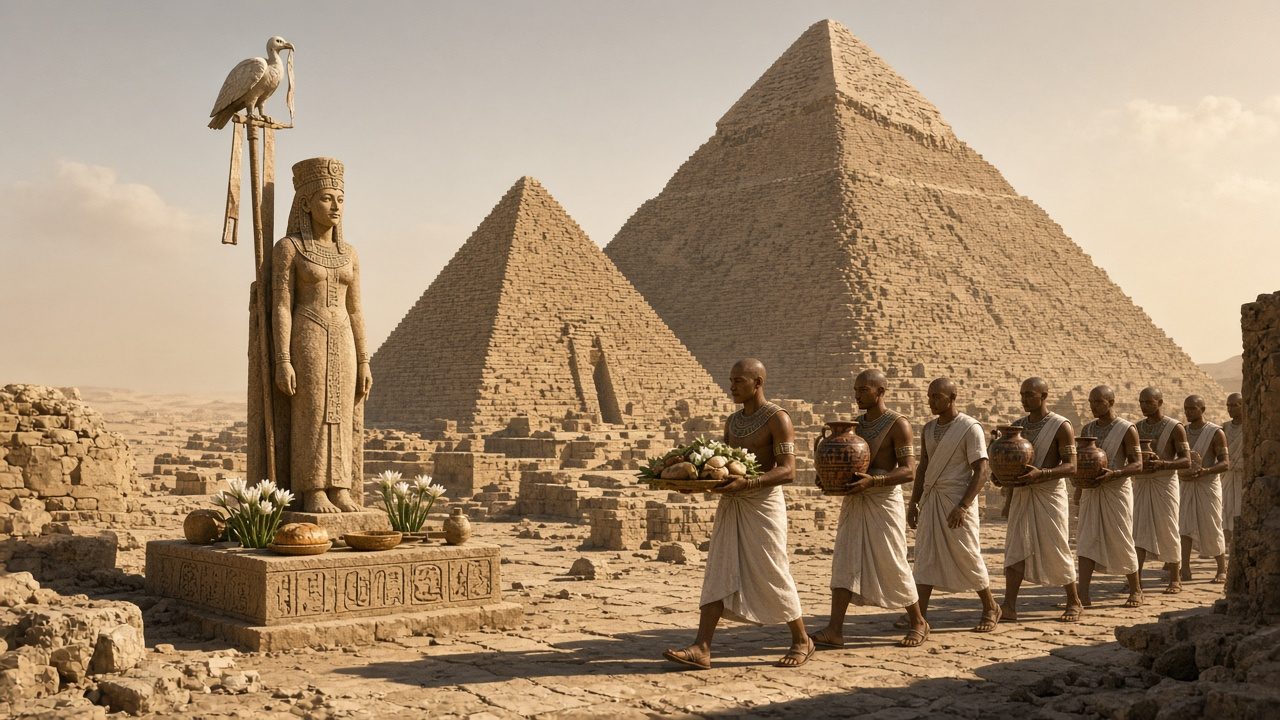
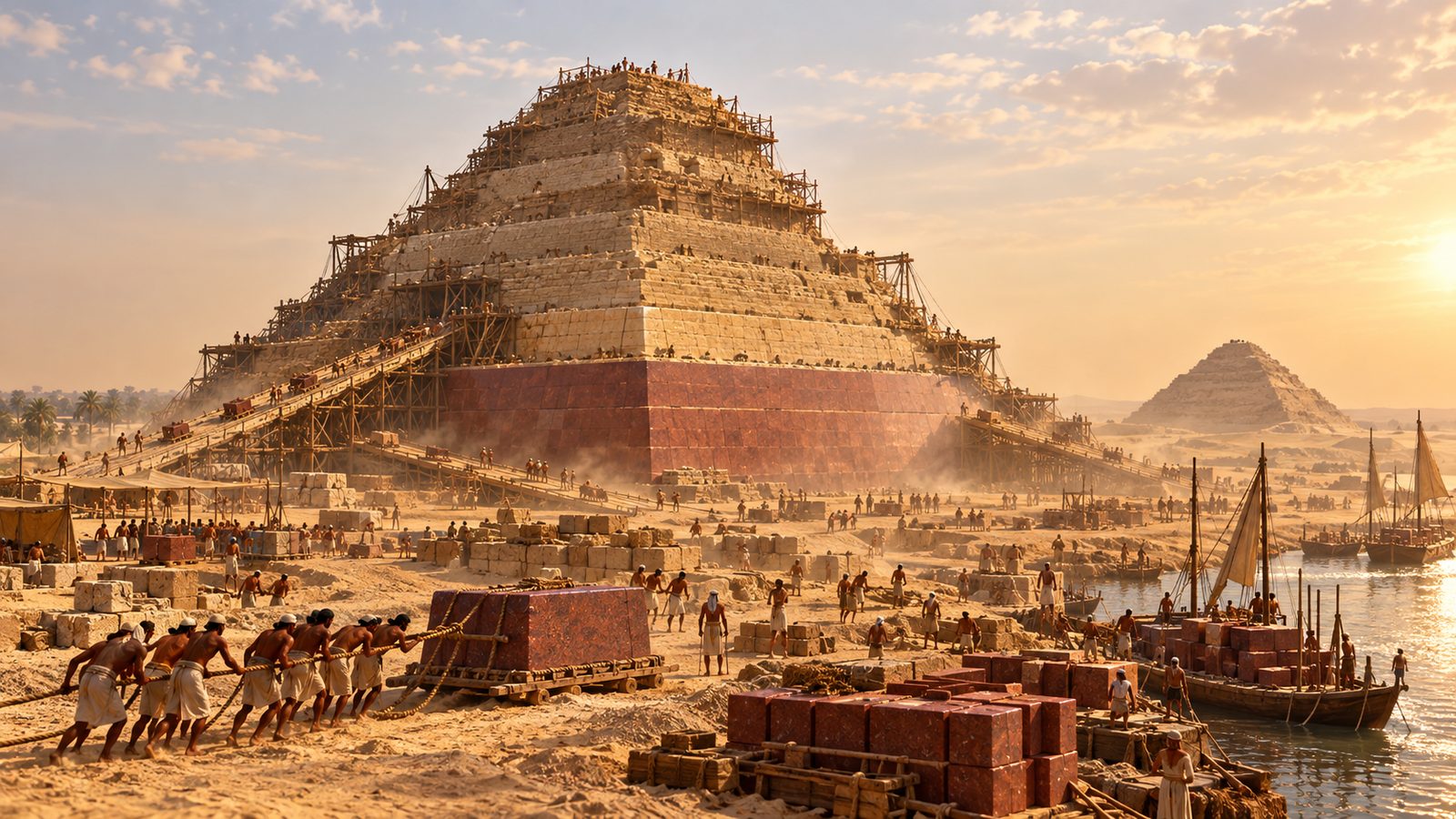
Neferirkare's pyramid at Abusir was first begun as a step pyramid, a form not used since the Third Dynasty, and then turned into a true pyramid. It was planned to be about 72 metres high with sides of more than 100 metres, the largest pyramid of the Fifth Dynasty. But the pharaoh died before it was finished, and its casing of red granite was never completed. His mortuary temple was hastily finished by his sons in cheap mud brick and wood instead of stone.
The Abusir Papyri
THEME FOUR
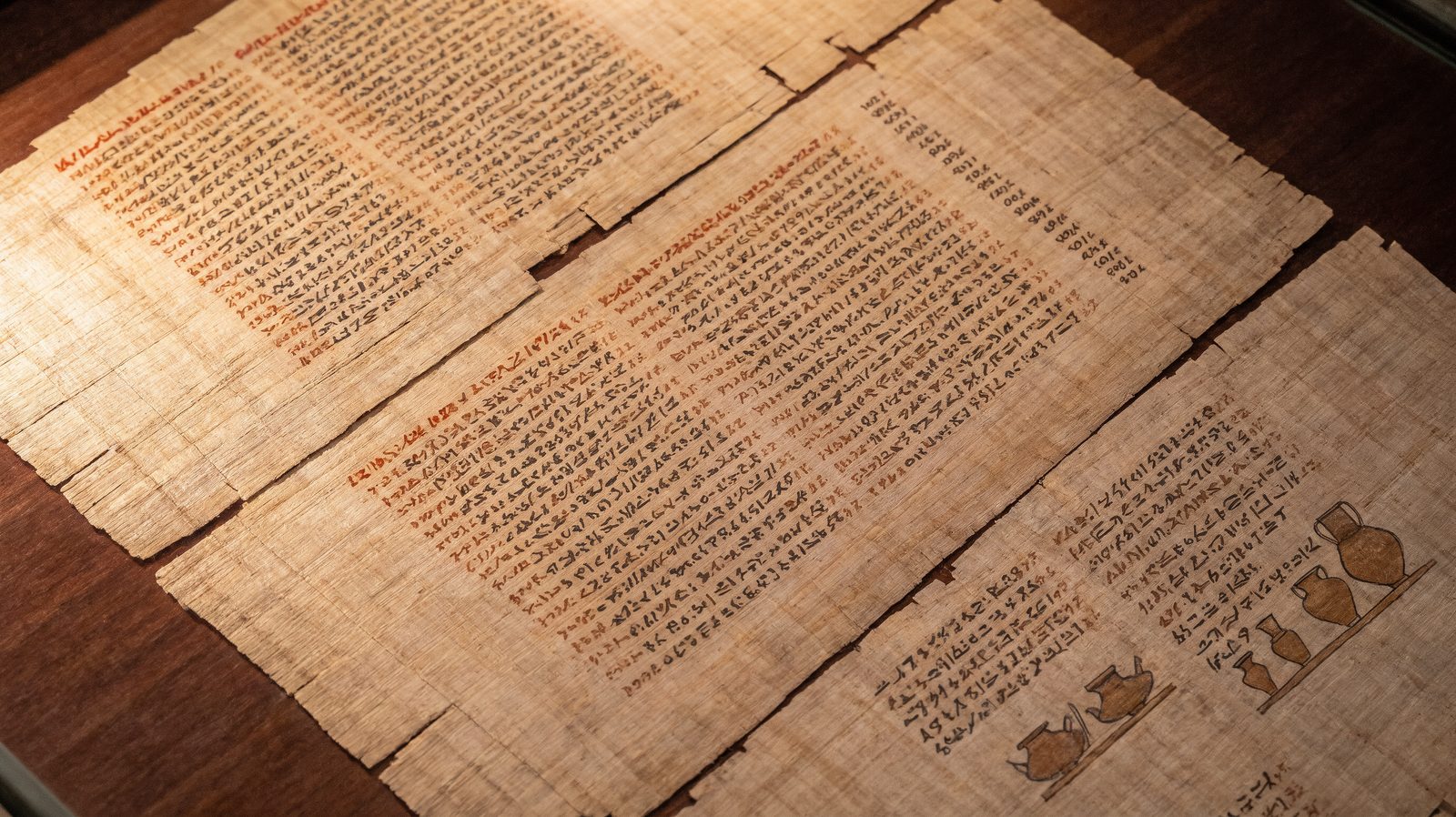
In 1893 local diggers found in Neferirkare's temple fragments of papyri, which were sold and are now scattered among museums in Cairo, Berlin, London, Paris and elsewhere. Later excavations found more. They are the administrative archive of the temple, written mostly in the generations after his death. They record the duty rosters of priests, deliveries of bread, beer and meat, inventories of temple objects and even checks of damaged items. They show in great detail how a royal cult worked from day to day.
The pharaoh and his courtiers
THEME FIVE
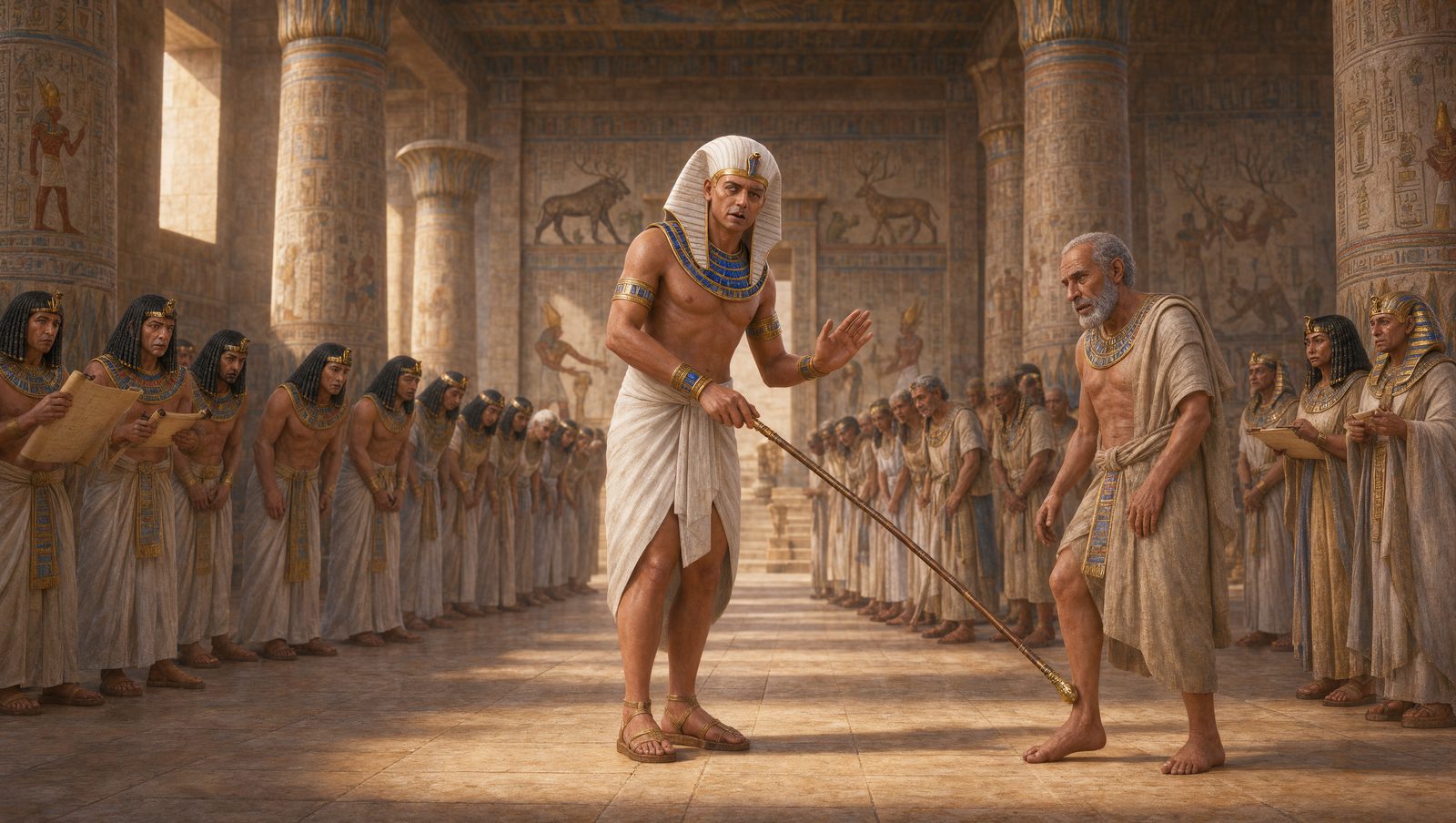
Two tomb inscriptions bring the pharaoh close to us. During a ceremony the sceptre of Neferirkare accidentally struck the foot of an old courtier, Rawer, which could be a dangerous offence. The pharaoh at once declared that no harm should come to him, and Rawer proudly recorded this in his tomb at Giza. When the vizier Washptah collapsed before the pharaoh, Neferirkare called his chief physicians and, after Washptah's death, mourned him and gave him an ebony coffin. In this period officials of non-royal birth rose to the highest posts, even that of vizier, and began to write their life stories in their tombs.
The seat of the heart of Ra
THEME SIX
Like his father and grandfather, Neferirkare built a temple for the sun god, called Setibre, "seat of the heart of Ra". Ancient texts describe it as the largest sun temple of the dynasty, but it has not yet been found. The annals of the Palermo Stone end in his reign, with long lists of gifts of land and offerings to Ra and other gods. For this reason some scholars think the original annals were compiled at his court.
Summary
THEME SEVEN
Neferirkare reigned only about ten years, and his great pyramid remained unfinished. Yet he gave the pharaohs the double cartouche they used for the next two and a half thousand years, and the papyri of his temple let us look into the daily life of an Old Kingdom cult as no other source does.
Key dates
- 2415 BCEPrince Ranefer becomes pharaoh as Neferirkare Kakai after his father Sahure, according to E. Hornung (2006).
- During his reignWork on his pyramid at Abusir and on the sun temple Setibre. The annals of the Palermo Stone end.
- 2405 BCEDeath of Neferirkare before his pyramid is finished. His sons complete his temple in mud brick.