
Home · Ancient History · Ancient Egypt · Old Kingdom
Khaba
Khaba was a pharaoh of the later Third Dynasty. In the chronology of E. Hornung (2006) his reign begins about 2559 BCE, after Sekhemkhet, but its length is unknown. His Horus name, "the soul appears", is found on stone bowls and seal impressions from many parts of Egypt, yet no later king list gives it, and it is not known under which name the scribes remembered him. He probably built the Layer Pyramid at Zawyet el-Aryan, south of Giza.
- Reign
- From c. 2559 BCE (E. Hornung, 2006). The length is unknown, perhaps 6 years if he is the king the Turin Canon calls Hudjefa
- Dynasty
- 3rd
- Predecessor
- Sekhemkhet, in the chronology used on this site
- Royal names
- Horus name Khaba, "the soul appears". Gold name read as Netjer-nub, "golden falcon", or Nub-iret (disputed). Name in the later king lists unknown, perhaps Hudjefa (Turin) or Sedjes (Abydos)
- Manetho
- Uncertain, perhaps Mesochris or Soyphis
- Burial
- Probably the Layer Pyramid, Zawyet el-Aryan
- Main sources
- Nine stone bowls with his name, seal impressions from Elephantine, Hierakonpolis, Zawyet el-Aryan and Quesna, the Layer Pyramid and the nearby Mastaba Z500
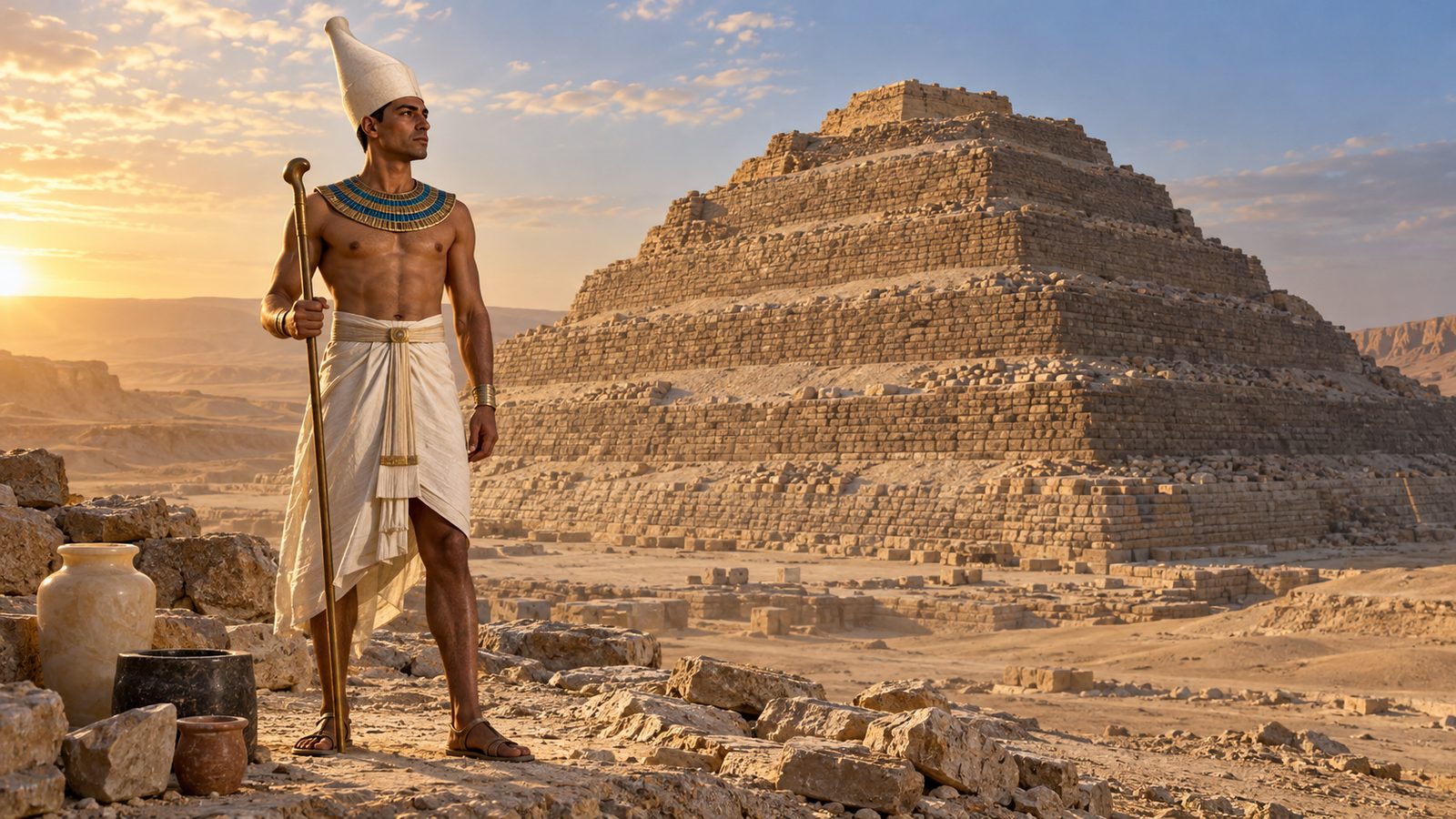
A king known from bowls and seals
THEME ONE
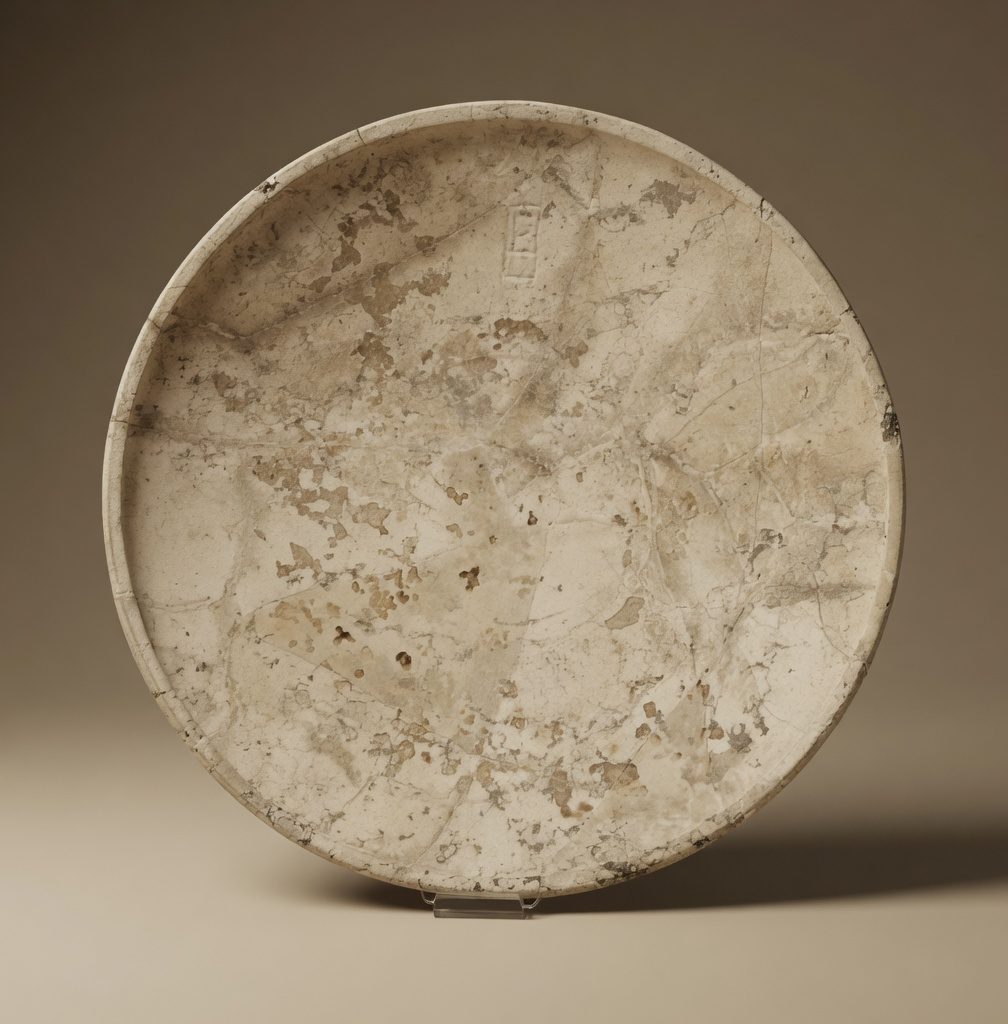
Khaba has left no statues, reliefs or long inscriptions. His Horus name appears on nine polished stone bowls of magnesite, travertine and diorite, found at Zawyet el-Aryan, Abusir and Naga ed-Deir, which show only the serekh with his name and no other text. Such bowls were typical of the late Third Dynasty and the beginning of the Fourth, and for this reason most Egyptologists place Khaba near the end of the dynasty. His seal impressions come from Elephantine, Hierakonpolis, Zawyet el-Aryan and Quesna in the Delta, so his administration reached the whole country.
The golden name
THEME TWO
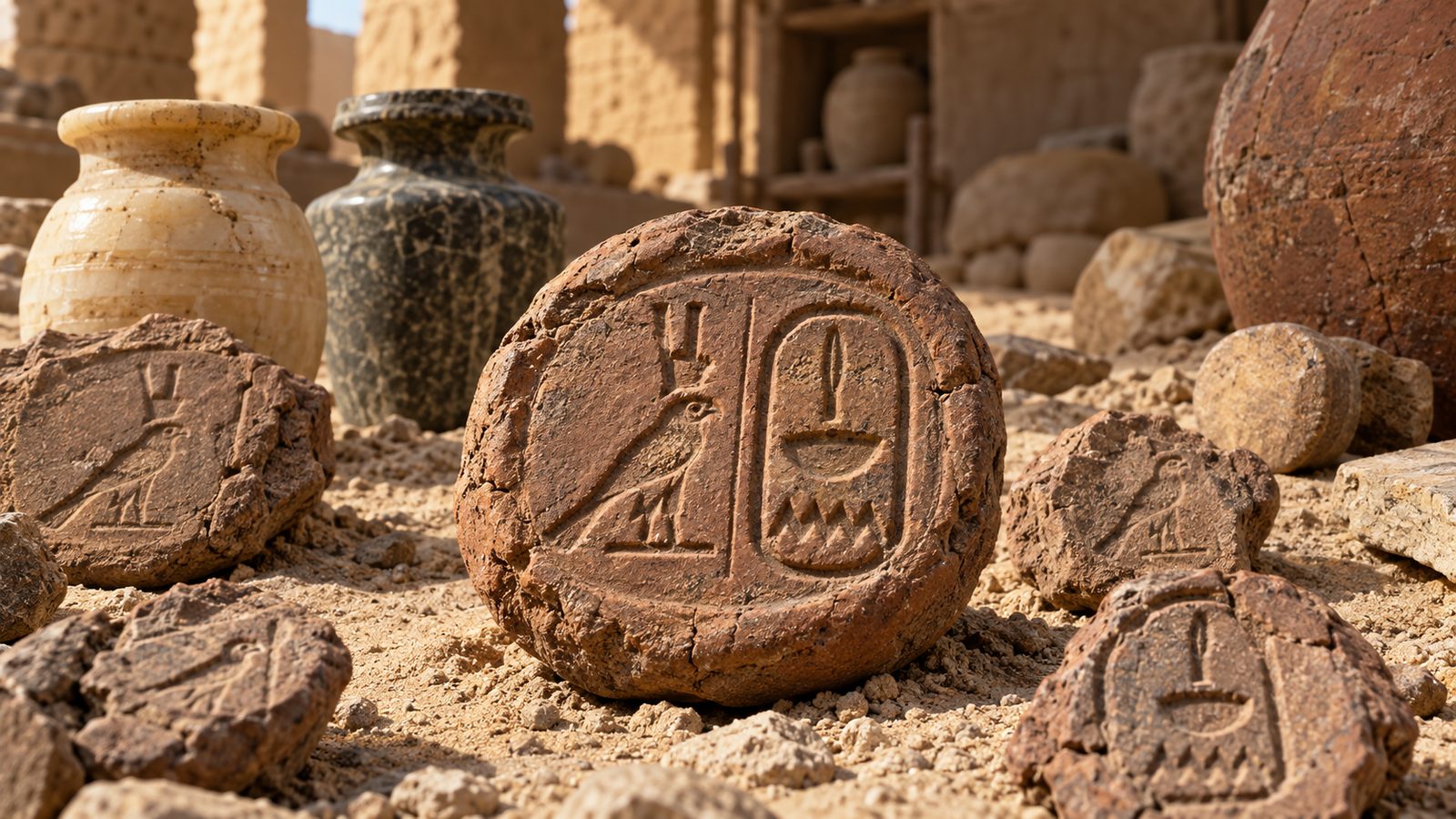
Seal impressions preserve another name of Khaba, written with the sign for gold. He is one of the few kings before Sneferu whose Gold name is known, a title that from Sneferu onwards became a fixed part of the royal titulary. Its reading is disputed: Thomas Schneider and Jürgen von Beckerath read it as Netjer-nub, "golden falcon", while Peter Kaplony reads Nub-iret. The best preserved of these seals, now in the Petrie Museum in London, repeats the Horus name and the Gold name of the king in turn.
Which name in the king lists?
THEME THREE
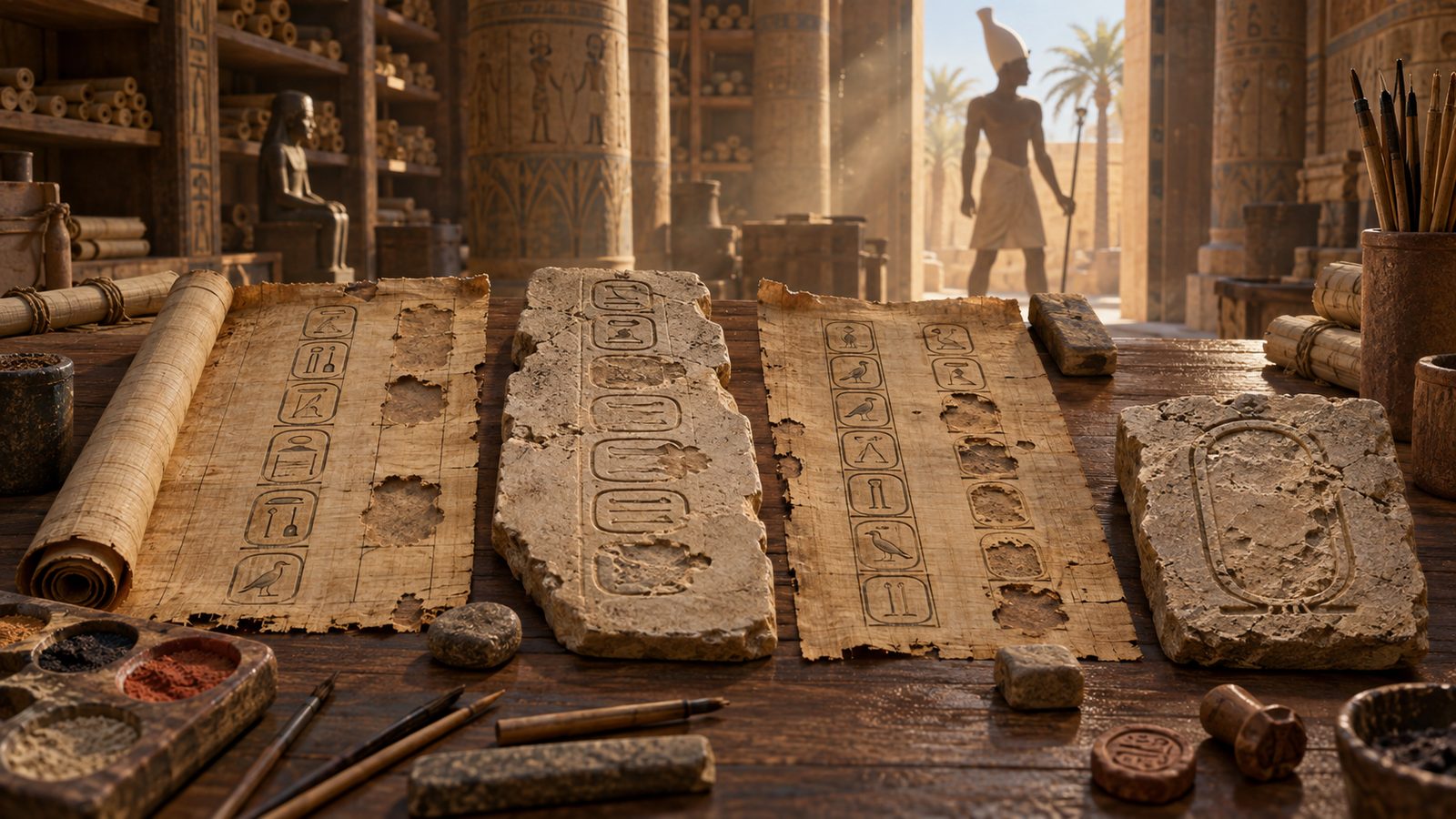
The king lists of the New Kingdom, compiled some 1,300 years later, do not agree on the Third Dynasty. The Abydos list gives Nebka, Djoser, Teti, Sedjes and Neferkara, the Turin Canon gives Nebka, Djoser, Djoserteti, Hudjefa and Huni, and the Saqqara list gives Djoser, Djoserteti, Nebkara and Huni. Sedjes and Hudjefa are not real names: they mean "missing" and "erased" and mark a name that the scribes could no longer read in their sources. Some Egyptologists think that this lost king was Khaba, while others identify Khaba with Huni, the last pharaoh of the dynasty.
The Layer Pyramid
THEME FOUR
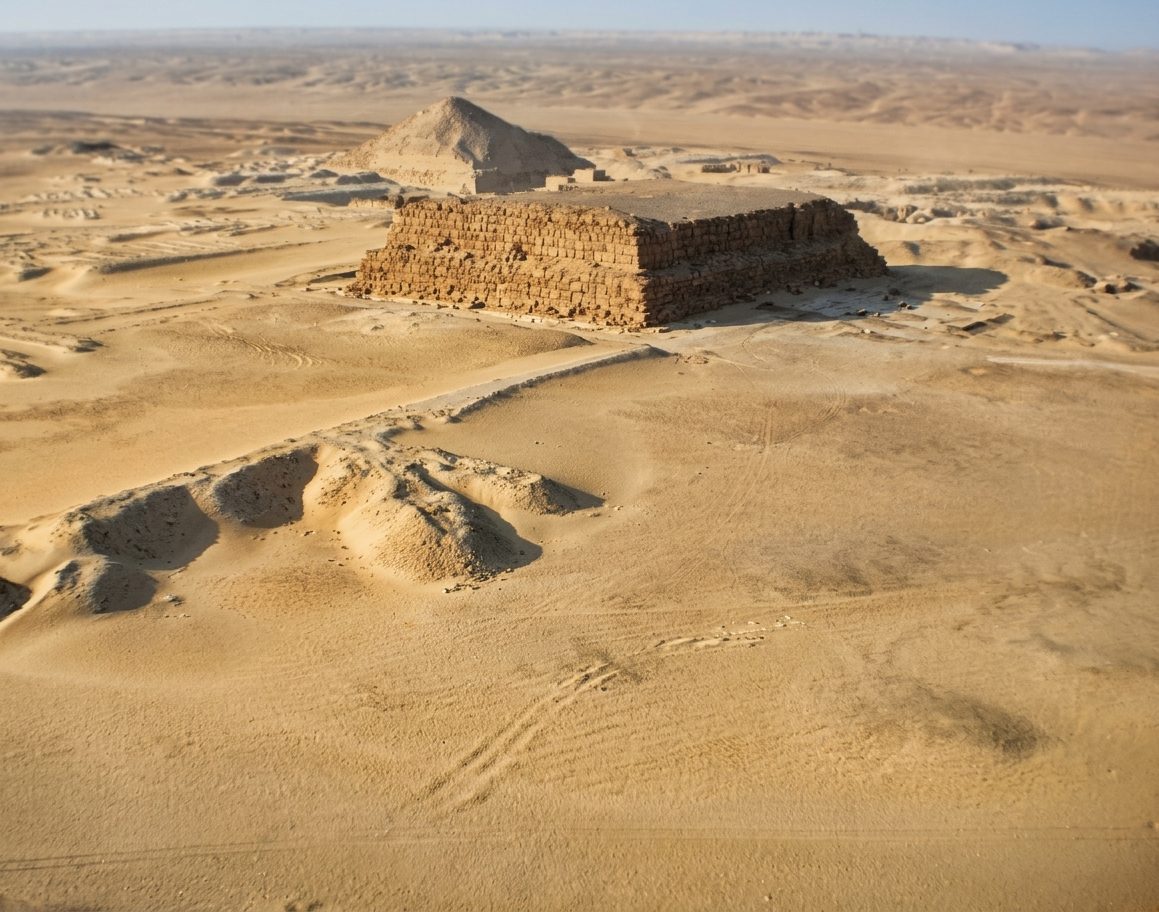
At Zawyet el-Aryan, about 8 kilometres south-west of Giza, stands the ruin of a step pyramid known as the Layer Pyramid. The local Arabic name, el-Haram el-Midawwar, means "the round pyramid". Its core of rough local stone is wrapped in fourteen layers of masonry leaning inwards, which gave the pyramid its modern name. The square base is about 84 metres long. It was planned with five steps and a height of 42 to 45 metres, but today only about 17 metres remain, and it is not known whether it was ever finished.
An empty tomb
THEME FIVE
The entrance lies on the east side, which is unusual for a pyramid. A stairway and a vertical shaft lead to a burial chamber 26 metres below ground and to a gallery of 32 storerooms arranged like a comb, very similar to the one under Sekhemkhet's pyramid. The explorers who entered it in 1900 and in 1910–1911 found the rooms empty, without a sarcophagus or any objects. This suggests that the pharaoh died before his tomb was ready. Since 1970 the pyramid has stood in a military zone, and no excavations have been carried out there.
Mastaba Z500 and the question of ownership
THEME SIX
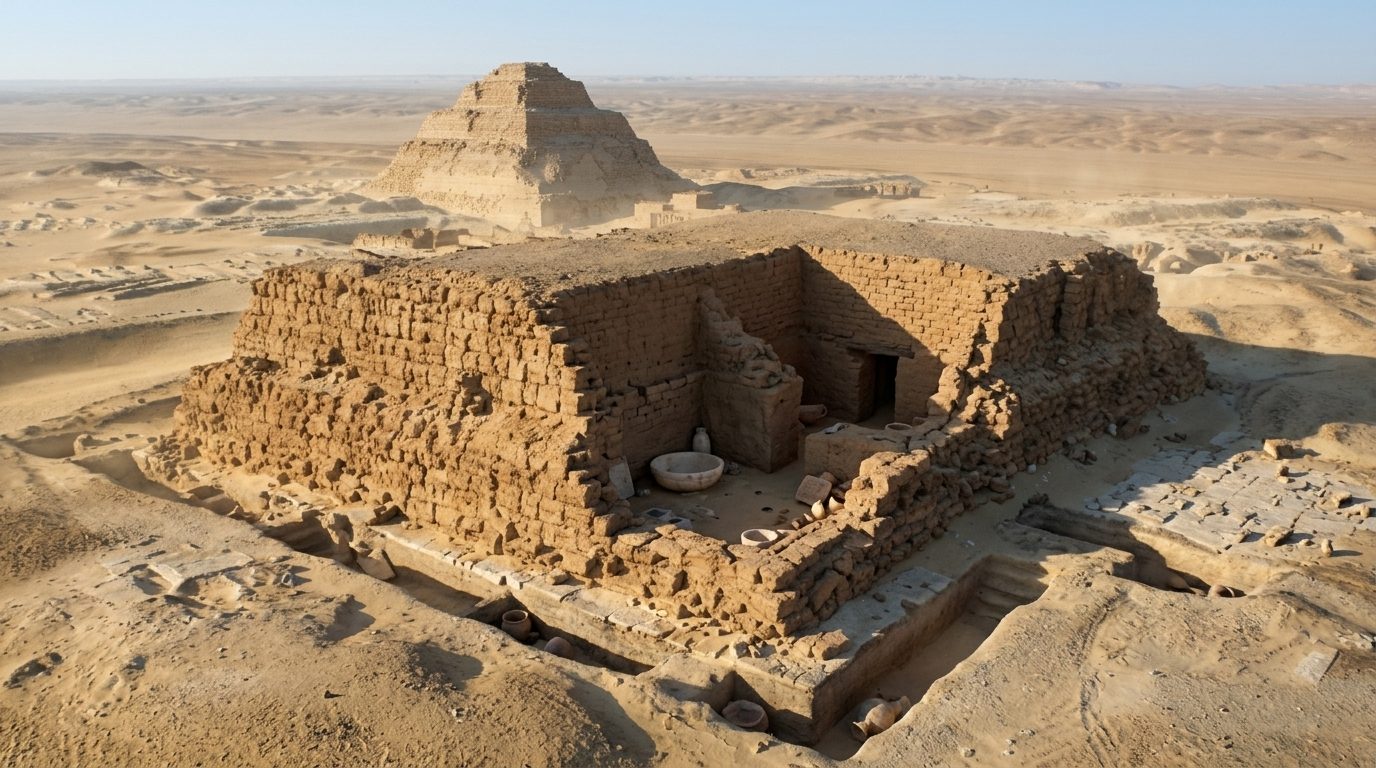
No inscription inside the pyramid names its owner. The attribution to Khaba rests on a large mud-brick mastaba about 200 metres to the north, known as Z500, where stone bowls with his serekh and fragments of his seals were found. The American Egyptologists George Reisner and Clarence Fisher, who excavated the area, concluded that the pyramid probably belonged to Khaba, and most scholars agree with them. Others think that Z500 was Khaba's own tomb or the temple of his pyramid, and Rainer Stadelmann even proposed that Khaba and Huni were one and the same king.
Summary
THEME SEVEN
Khaba is a pharaoh known almost only through objects with his name and a pyramid that is probably his. His bowls, seals and the Layer Pyramid show that the state of the Third Dynasty went on building royal tombs on a large scale and administered the whole country, from the Delta to Elephantine. His place in the dynasty and the length of his reign, however, remain open questions.
Key dates
- c. 2559 BCEKhaba becomes pharaoh after Sekhemkhet, according to E. Hornung (2006).
- During his reignThe Layer Pyramid is built at Zawyet el-Aryan.
- Date unknownEnd of Khaba's reign. In the chronology used on this site Sanakht succeeds him.