
Home · Ancient History · Ancient Egypt · Old Kingdom
Sanakht
Sanakht is the Horus name of a pharaoh of the Third Dynasty whose place in the dynasty is uncertain. In the chronology of E. Hornung (2006) he follows Khaba and precedes Huni, but no dates can be given for his reign. Many Egyptologists identify him with Nebka, the king whom the Turin Canon and the Abydos list name as the founder of the dynasty and who appears in a tale of the Westcar Papyrus. Sanakht himself is known from reliefs in Sinai and from seals found in a large tomb at Beit Khallaf, north of Abydos.
- Reign
- Dates unknown (E. Hornung, 2006, places him between Khaba and Huni). The Turin Canon gives Nebka 19 years and Manetho 28, but the few finds suggest a short reign
- Dynasty
- 3rd
- Successor
- Huni, in the chronology used on this site
- Royal names
- Horus name Sanakht, perhaps "strong protection". Throne name probably Nebka, "lord of the ka" (disputed). Later king lists: Nebka (Abydos, Turin), Nebkara (Saqqara)
- Manetho
- Necherophes (for Nebka), 28 years
- Burial
- Unknown. Proposed: mastaba K2 at Beit Khallaf or a brick enclosure at Abu Rawash
- Main sources
- Two relief fragments from Wadi Maghareh in Sinai (one in the British Museum), seal impressions from Beit Khallaf, a graffito. For Nebka: the tomb of his priest Akhetaa, the Westcar Papyrus and the king lists
Sanakht or Nebka?
THEME ONE
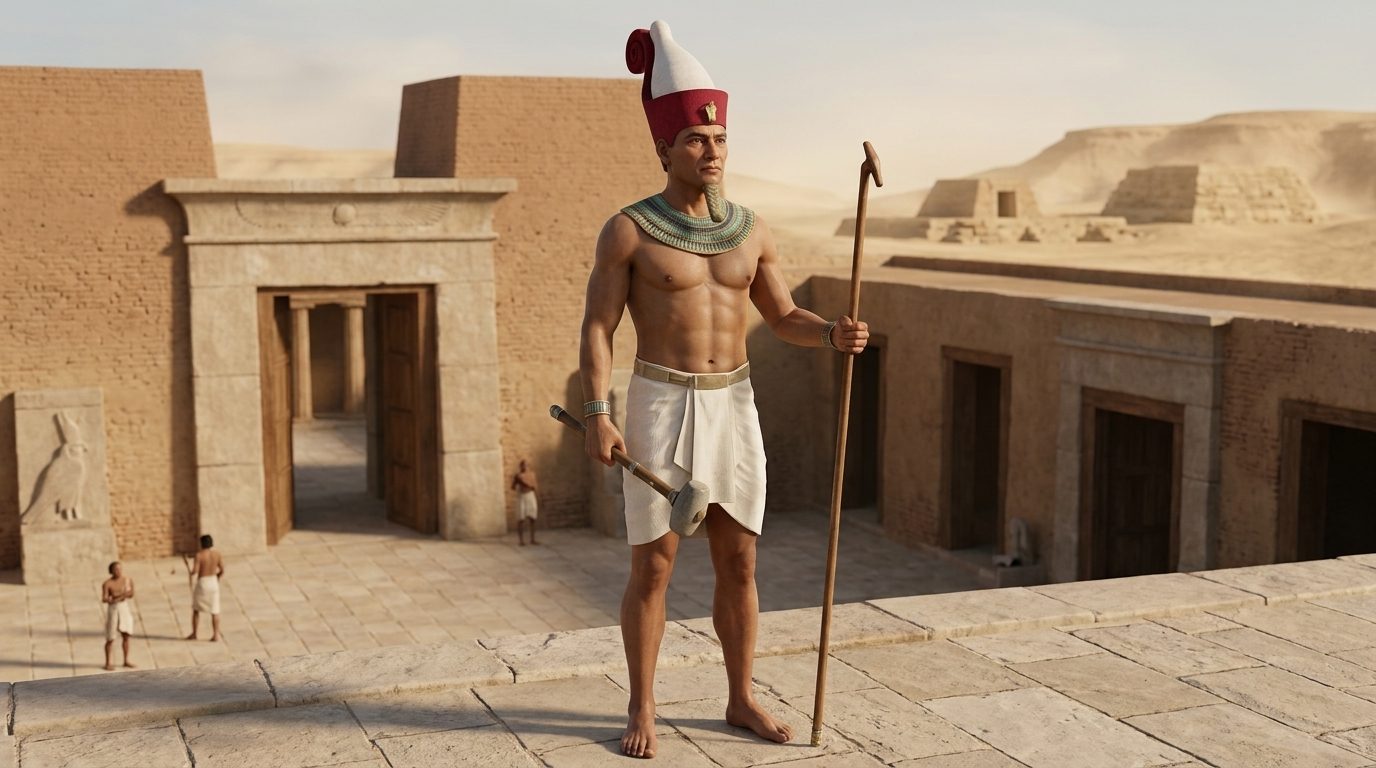
Monuments of his own time know this pharaoh only by his Horus name Sanakht, while the later king lists know only a cartouche name, Nebka. At the beginning of the twentieth century the British archaeologist John Garstang found at Beit Khallaf a damaged seal impression showing the serekh of Sanakht beside the lower end of a cartouche, in which the German Egyptologist Kurt Sethe recognised the sign for ka. If this reading is right, the cartouche held the name Nebka, and Sanakht would be the first king known to write his throne name in a cartouche. Many Egyptologists accept the identification, while others consider the seal too damaged to prove it.
Founder or late king?
THEME TWO
The Turin Canon and the Abydos list place Nebka at the head of the Third Dynasty, before Djoser, and Manetho also begins the dynasty with Necherophes. For a long time Sanakht was therefore regarded as the founder of the dynasty. Most Egyptologists now think otherwise. Djoser's seals at the tomb of Khasekhemwy show that Djoser buried him, the title of Queen Nimaathap speaks of only one son who became king, and the Saqqara list places Nebkara after Sekhemkhet. The Turin Canon even gives the same 19 years to Nebka and to Djoser, which suggests an error by the scribe. Sanakht is therefore placed in the second half of the dynasty.
Reliefs in Sinai
THEME THREE
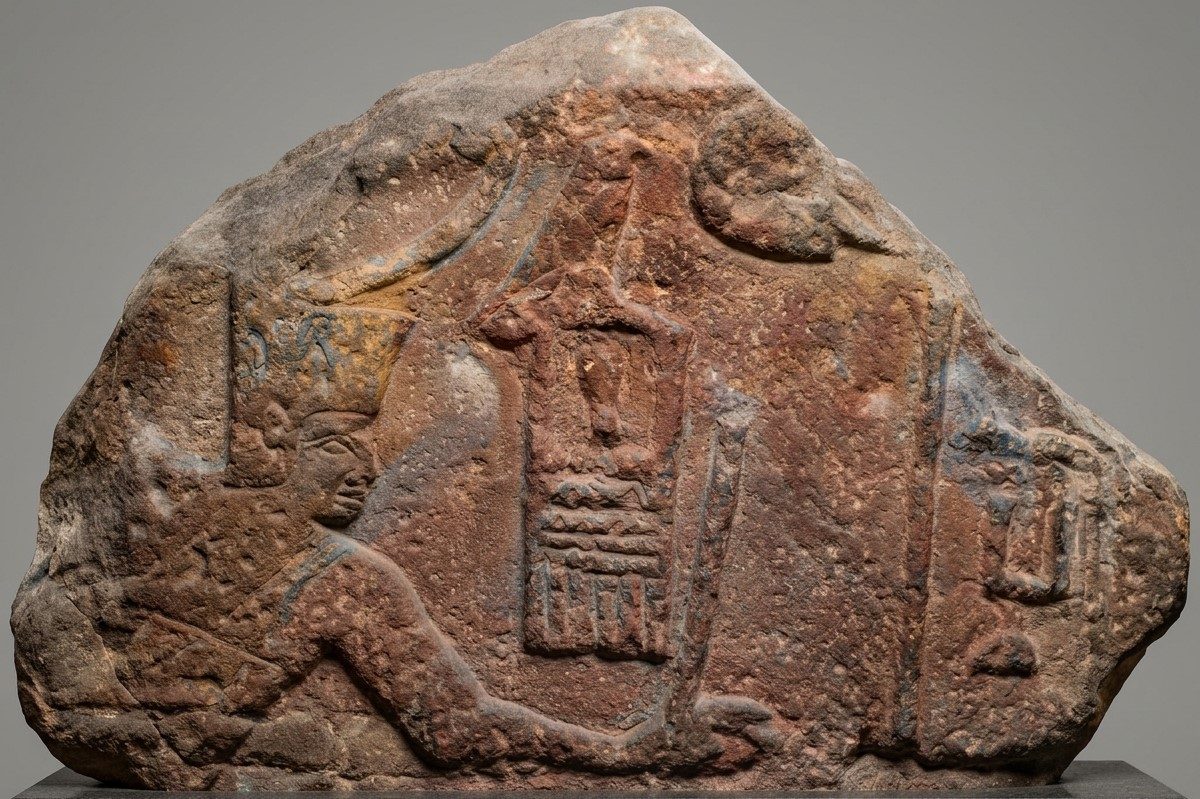
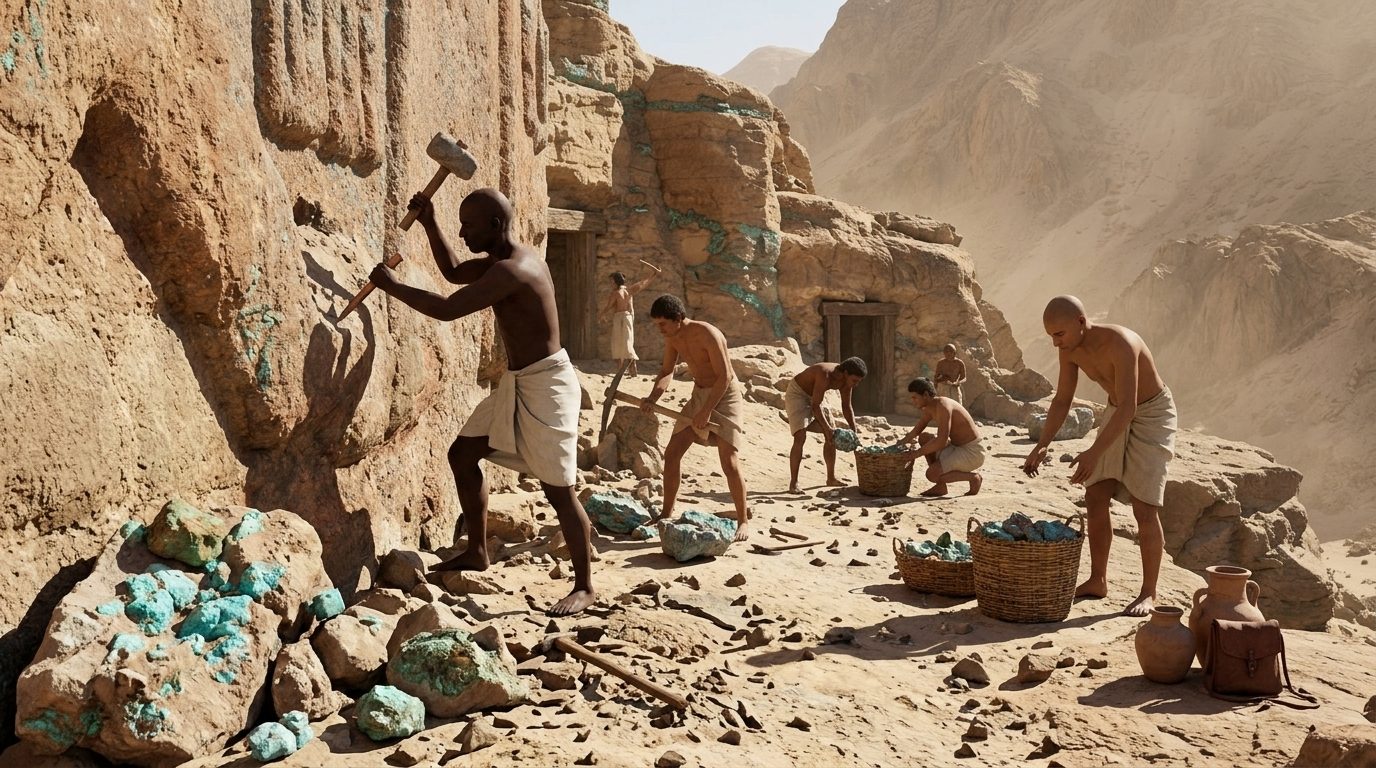
Like Djoser and Sekhemkhet, Sanakht sent expeditions to Wadi Maghareh in Sinai, where turquoise and copper were mined. Two relief fragments with his name come from there. One of them, now in the British Museum, shows the pharaoh in the traditional pose of striking down an enemy. Such scenes expressed the power of the king over foreign lands and do not necessarily record a particular battle, so the often repeated story of Sanakht's victory over the nomads of Sinai rests on this image rather than on any written account.
The giant of Beit Khallaf
THEME FOUR
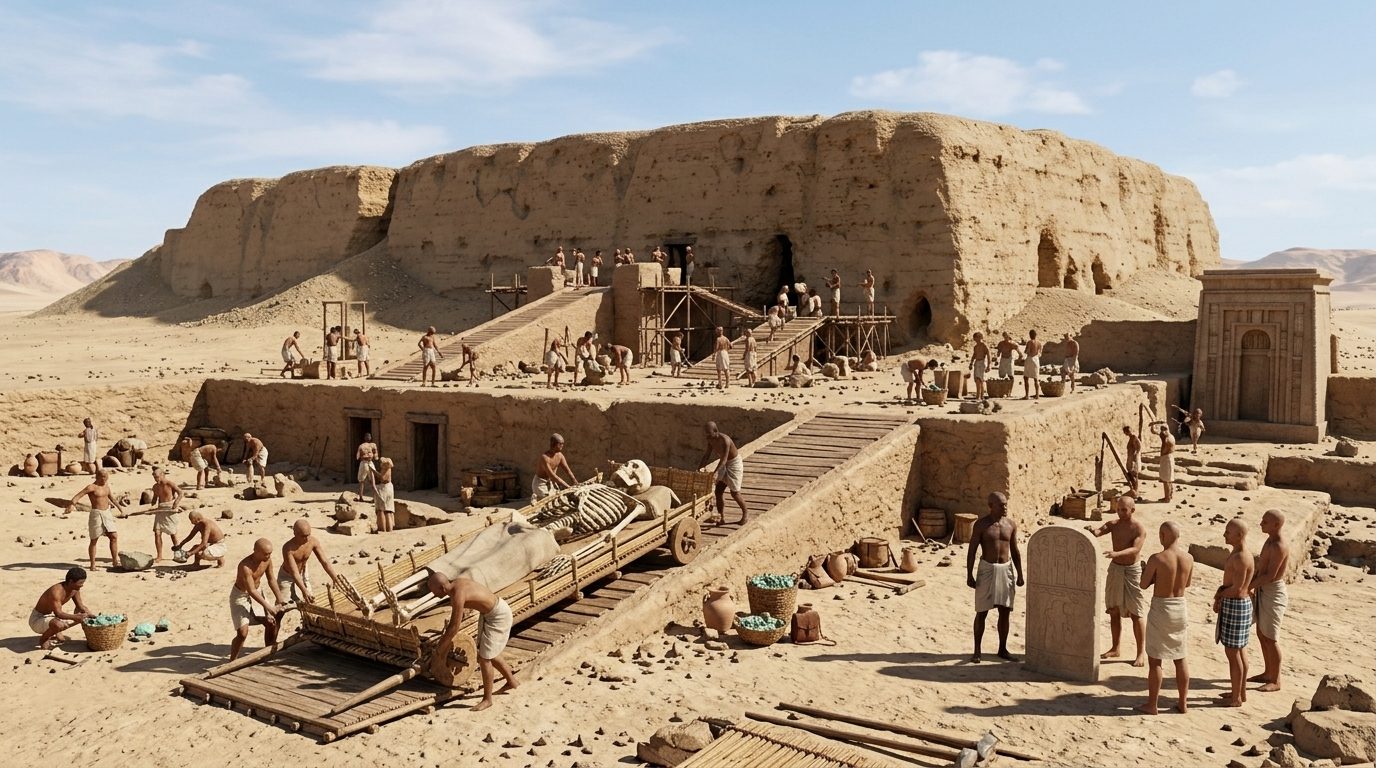
At Beit Khallaf Garstang excavated mastaba K2, a huge brick tomb in which some two dozen seal impressions of Sanakht were found, and he believed it to be the pharaoh's tomb. In it lay the skeleton of a man more than 1.87 metres tall, far above the average height of ancient Egyptians. In 2017 an international team led by Francesco Galassi and Michael Habicht studied the bones again and concluded that they are the oldest known case of gigantism in the world. Whether this man was really Sanakht is uncertain: many Egyptologists now regard K2 as the tomb of a high official or a member of the royal family.
Nebka in the Westcar Papyrus
THEME FIVE
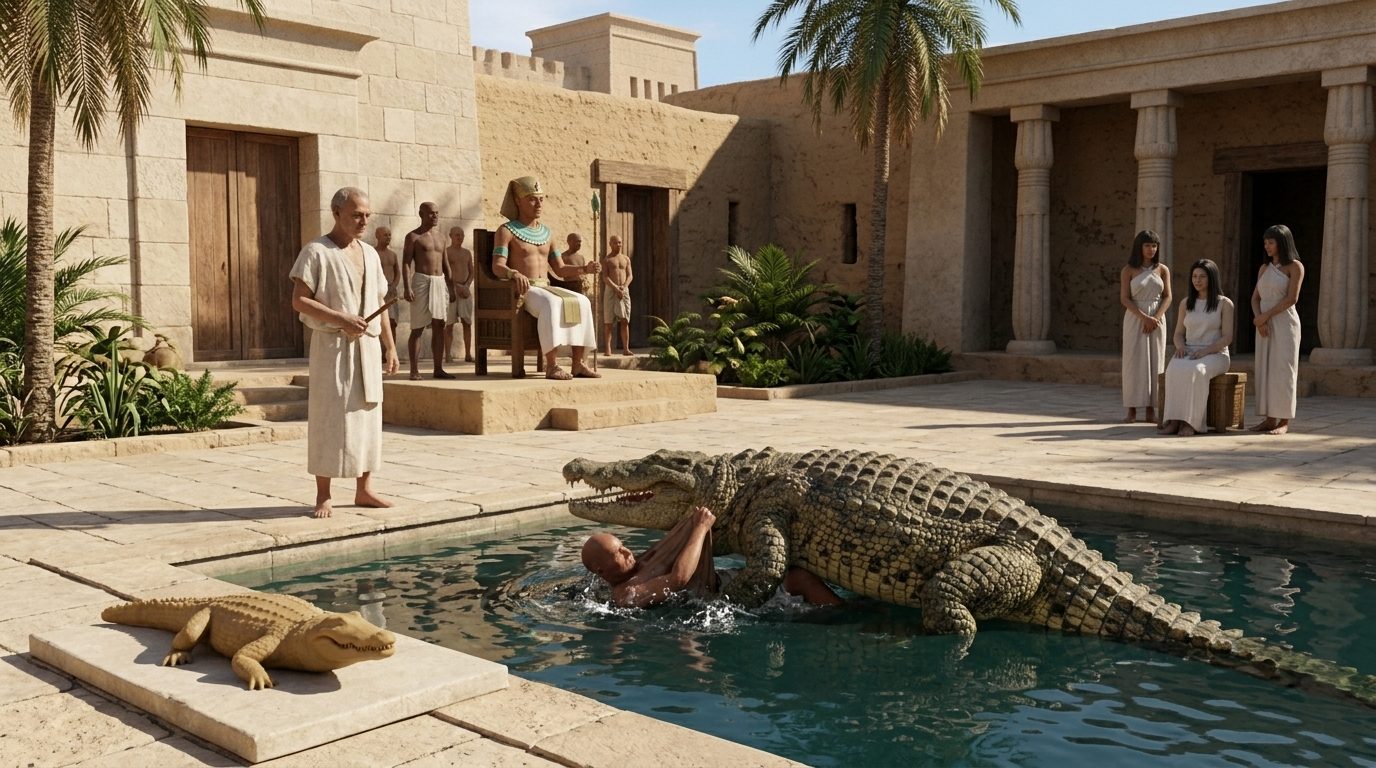
King Nebka also lived on in literature. The Westcar Papyrus, a collection of tales probably composed in the late Middle Kingdom, tells how the magician Webaoner made a crocodile of wax that came to life and seized the lover of his unfaithful wife. King Nebka saw the wonder, gave the man to the crocodile and condemned the wife to death. The tale shows the king as a stern but just judge. In the papyrus it stands between stories set in the reigns of Djoser and of Sneferu, which also supports placing Nebka late in the dynasty.
Where was he buried?
THEME SIX
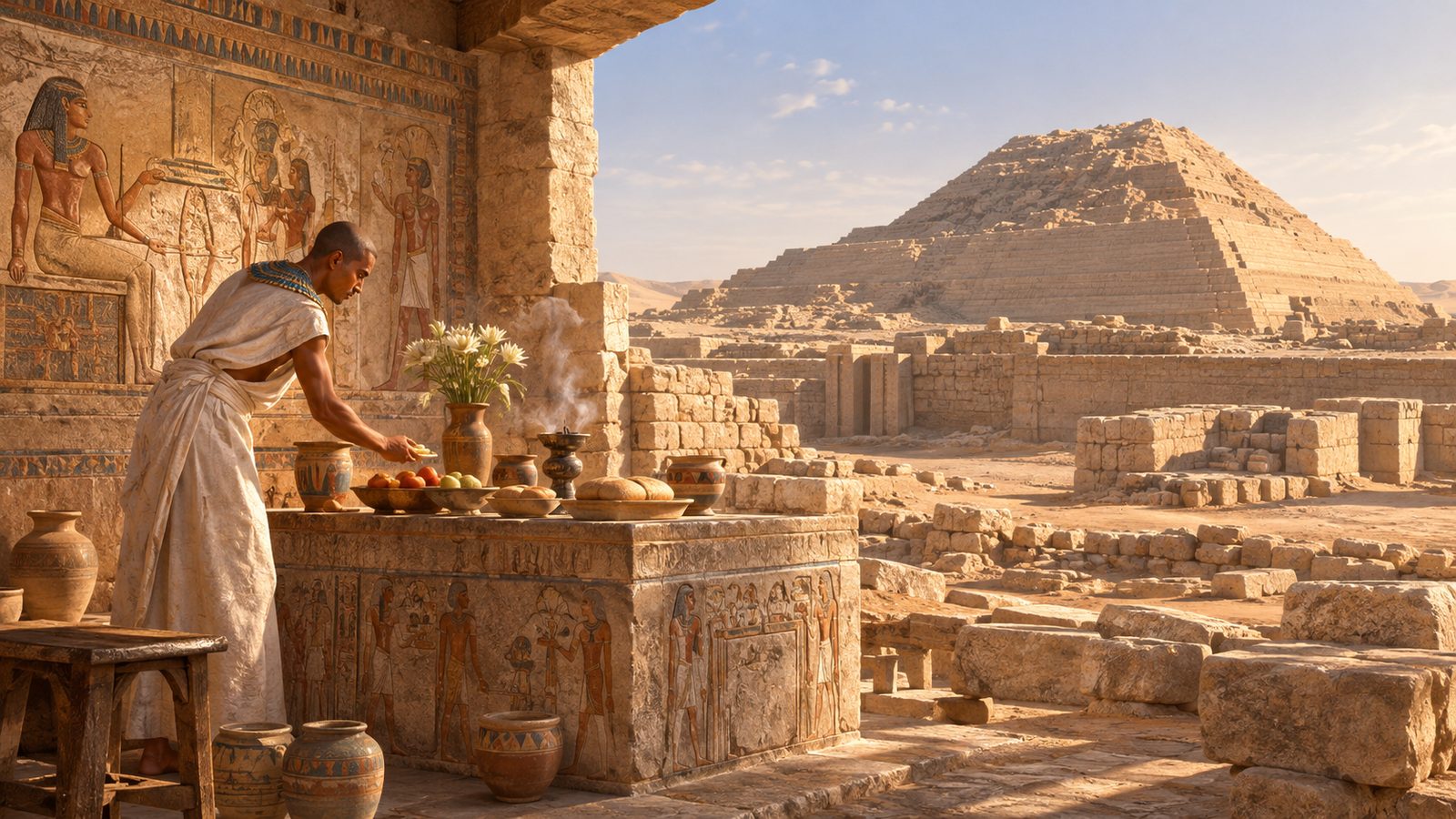
The tomb of Sanakht, or of Nebka, has not been identified. Besides mastaba K2 at Beit Khallaf, Egyptologists have proposed a large brick enclosure at Abu Rawash, north of Giza, whose plan resembles the royal funerary monuments of the late Second and early Third Dynasties, and an unfinished structure west of Djoser's pyramid. The tomb of an official named Akhetaa, who served as priest of Nebka, shows that the king was honoured by a priesthood at the end of the dynasty. Another proposal links Nebka with the Unfinished Northern Pyramid at Zawyet el-Aryan, where builders' inscriptions name a king Nebkara, but the date of that monument is disputed.
Summary
THEME SEVEN
Sanakht is a pharaoh with two names and very few certainties. His reliefs and seals prove that he ruled Egypt and sent expeditions to Sinai, and the memory of Nebka survived in king lists and literature for more than a thousand years. His exact place in the Third Dynasty, the length of his reign and his tomb, however, remain among the open questions of the early Old Kingdom.
Key dates
- Date uncertainSanakht becomes pharaoh, in the chronology used on this site after Khaba.
- During his reignExpeditions to the mines of Wadi Maghareh in Sinai.
- Late Middle KingdomThe tale of Nebka and the crocodile is composed, later preserved in the Westcar Papyrus.